Parallels between Jacob’s Burial Journey and the Exodus
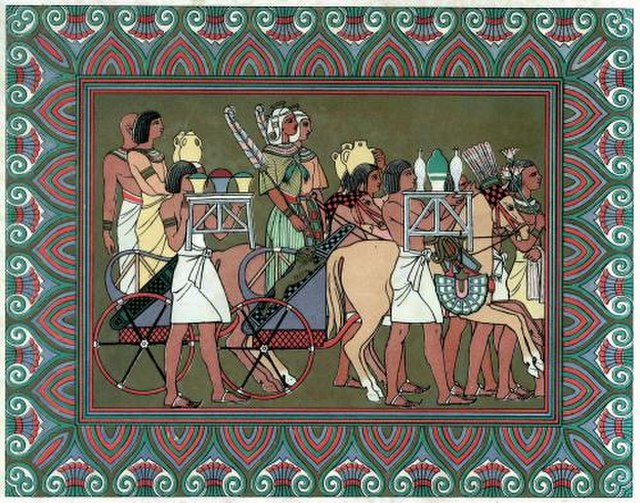
Before his death Jacob commands Joseph, then all his sons, not to bury him in Egypt but to carry him to Canaan and bury him in the Cave of Machpelah. When mourning ends, Joseph requests Pharaoh’s permission to fulfill his father’s wish. Pharaoh agrees, and Israel’s sons set out. This is no private trip by a small group, but an impressive procession with many participants. Numerous similarities connect it with Israel’s journey out of Egypt. I shall present them, then examine their meaning.
- The burial journey is described:
And they came to the threshing-floor of Atad, which is beyond the Jordan, and there they wailed with a very great and sore wailing; and he made a mourning for his father seven days. And when the inhabitants of the land, the Canaanites, saw the mourning in the floor of Atad, they said: ‘This is a grievous amourning to the Egyptians.’ Wherefore the name of it was called Abel-mizraim, which is beyond the Jordan. (Genesis 50:10–11)
וַיָּבֹאוּ עַד גֹּרֶן הָאָטָד אֲשֶׁר בְּעֵבֶר הַיַּרְדֵּן וַיִּסְפְּדוּ שָׁם מִסְפֵּד גָּדוֹל וְכָבֵד מְאֹד וַיַּעַשׂ לְאָבִיו אֵבֶל שִׁבְעַת יָמִים. וַיַּרְא יוֹשֵׁב הָאָרֶץ הַכְּנַעֲנִי אֶת הָאֵבֶל בְּגֹרֶן הָאָטָד וַיֹּאמְרוּ אֵבֶל כָּבֵד זֶה לְמִצְרָיִם עַל כֵּן קָרָא שְׁמָהּ אָבֵל מִצְרַיִם אֲשֶׁר בְּעֵבֶר הַיַּרְדֵּן. (בראשית נ' י-יא)
Why do Jacob’s sons pass through Transjordan on their way to Machpelah? Why not enter through the Negev as the spies later do, directly toward Hebron where the cave stands? Why so long a detour?
Some commentators, such as Hizkuni, explain that Goren-ha-atad is west of the Jordan, in Canaan, which people east of the river also call “beyond the Jordan.” This is unconvincing. First, why would the Torah call Canaan by eastern inhabitants’ perspective? Second, the biblical expression normally denotes the eastern side unless the context requires otherwise; that apparently applies here too. Third, Canaan could simply have been specified. Instead of Abel-mizraim beyond the Jordan, it could have said Abel-mizraim in Canaan. Fourth, the continuation implies an eastern location: only afterward do the sons carry him into Canaan (Genesis 50:13: “וַיִּשְׂאוּ אֹתוֹ בָנָיו אַרְצָה כְּנַעַן…”). The mourning site therefore lay east of the Jordan, outside Canaan.
Rabbi Meyuhas notes that Jacob’s sons circled the land and entered from the direction taken by Israel after the Exodus:
We learn that they circled the Land of Israel as our ancestors circled it in the wilderness, and brought him in from the same side through which those ancestors entered. (Rabbi Meyuhas, cited in M. Kasher, Torah Shelemah, Genesis 50, item 29; translated from the Hebrew)
The first parallel is thus entry from the east through Transjordan.
-
Both journeys carry a dead person from Egypt for burial in Canaan: Jacob’s sons carry their father’s coffin; at the Exodus Israel carries Joseph’s.
-
Both transfers fulfill an oath. Jacob’s journey follows his making Joseph swear to bury him with his ancestors in Canaan:
And the time drew near that Israel must die; and he called his son Joseph, and said unto him: ‘If now I have found favour in thy sight, put, I pray thee, thy hand under my thigh, and deal kindly and truly with me; bury me not, I pray thee, in Egypt. But when I sleep with my fathers, thou shalt carry me out of Egypt, and bury me in their burying-place.’ And he said: ‘I will do as thou hast said.’ And he said: ‘Swear unto me.’ And he swore unto him. And Israel bowed down upon the bed’s head. (Genesis 47:29–31)
וַיִּקְרְבוּ יְמֵי יִשְׂרָאֵל לָמוּת וַיִּקְרָא לִבְנוֹ לְיוֹסֵף וַיֹּאמֶר לוֹ אִם נָא מָצָאתִי חֵן בְּעֵינֶיךָ שִׂים נָא יָדְךָ תַּחַת יְרֵכִי וְעָשִׂיתָ עִמָּדִי חֶסֶד וֶאֱמֶת אַל נָא תִקְבְּרֵנִי בְּמִצְרָיִם. וְשָׁכַבְתִּי עִם אֲבֹתַי וּנְשָׂאתַנִי מִמִּצְרַיִם וּקְבַרְתַּנִי בִּקְבֻרָתָם וַיֹּאמַר אָנֹכִי אֶעֱשֶׂה כִדְבָרֶךָ. וַיֹּאמֶר הִשָּׁבְעָה לִי וַיִּשָּׁבַע לוֹ וַיִּשְׁתַּחוּ יִשְׂרָאֵל עַל רֹאשׁ הַמִּטָּה. (בראשית מ"ז כט-לא)
At the Exodus Moses takes Joseph’s bones because of Joseph’s oath to his brothers:
And Moses took the bones of Joseph with him; for he had surely sworn the children of Israel, saying: ‘God will surely remember you; and ye shall carry up my bones away hence with you.’ (Exodus 13:19)
וַיִּקַּח מֹשֶׁה אֶת עַצְמוֹת יוֹסֵף עִמּוֹ כִּי הַשְׁבֵּעַ הִשְׁבִּיעַ אֶת בְּנֵי יִשְׂרָאֵל לֵאמֹר פָּקֹד יִפְקֹד אֱלֹהִים אֶתְכֶם וְהַעֲלִיתֶם אֶת עַצְמֹתַי מִזֶּה אִתְּכֶם. (שמות י"ג יט)
-
Both departures displease Pharaoh. The Exodus requires ten plagues, but the burial journey too appears contrary to his wishes. He permits it because of Joseph’s oath (Genesis 50:6: “עֲלֵה וּקְבֹר אֶת אָבִיךָ כַּאֲשֶׁר הִשְׁבִּיעֶךָ”). As Rashi explains, the wording implies that without the oath permission would be withheld. This fits the plain reading. Even Egypt’s viceroy must obtain permission rather than act freely. Pharaoh had invited Jacob to settle in Egypt; his death brought royal honors, embalming, and seventy days of Egyptian mourning. His final wish to be buried elsewhere insulted Egypt and Pharaoh. This apparently explains Jacob’s strenuous efforts to ensure burial in Canaan. Joseph’s promise to obey (Genesis 47:30) was insufficient: he also commanded the other brothers to bury him with his fathers in Ephron’s cave (49:29: “קִבְרוּ אֹתִי אֶל אֲבֹתָי…”).
-
Both accounts discuss leaving children and livestock in Egypt, demonstrating an intention to return and serving as a guarantee. In Jacob’s story:
And Joseph went up to bury his father; and with him went up all the servants of Pharaoh, the elders of his house, and all the elders of the land of Egypt, and all the house of Joseph, and his brethren, and his father’s house; only their little ones, and their flocks, and their herds, they left in the land of Goshen. (Genesis 50:7–8)
…וַיַּעֲלוּ אִתּוֹ כָּל עַבְדֵי פַרְעֹה זִקְנֵי בֵיתוֹ וְכֹל זִקְנֵי אֶרֶץ מִצְרָיִם. וְכֹל בֵּית יוֹסֵף וְאֶחָיו וּבֵית אָבִיו. רַק טַפָּם וְצֹאנָם וּבְקָרָם עָזְבוּ בְּאֶרֶץ גֹּשֶׁן. (בראשית נ' ז-ח)
Similarly, at the Exodus Israel requests a short three-day departure to serve God. Moses asks that everyone go:
And Moses said: ‘We will go with our young and with our old, with our sons and with our daughters, with our flocks and with our herds we will go; for we must hold a feast unto the LORD.’ (Exodus 10:9)
וַיֹּאמֶר מֹשֶׁה בִּנְעָרֵינוּ וּבִזְקֵנֵינוּ נֵלֵךְ בְּבָנֵינוּ וּבִבְנוֹתֵנוּ בְּצֹאנֵנוּ וּבִבְקָרֵנוּ נֵלֵךְ כִּי חַג ה' לָנוּ. (שמות י' ט)
Fearing escape, Pharaoh tries to retain the children and livestock to ensure their return:
Not so; go now ye that are men, and serve the LORD; for that is what ye desire.’ And they were driven out from Pharaoh’s presence. (Exodus 10:11)
לֹא כֵן לְכוּ נָא הַגְּבָרִים וְעִבְדוּ אֶת ה' כִּי אֹתָהּ אַתֶּם מְבַקְשִׁים... (שמות י' יא)
After darkness he allows the children too, but requires the livestock as security:
And Pharaoh called unto Moses, and said: ‘Go ye, serve the LORD; only let your flocks and your herds be stayed; let your little ones also go with you.’ (Exodus 10:24)
וַיִּקְרָא פַרְעֹה אֶל מֹשֶׁה וַיֹּאמֶר לְכוּ עִבְדוּ אֶת ה' רַק צֹאנְכֶם וּבְקַרְכֶם יֻצָּג גַּם טַפְּכֶם יֵלֵךְ עִמָּכֶם. (שמות י' כד)
In both journeys, leaving children and livestock clearly serves to guarantee a return to Egypt.
- Both descriptions emphasize a large armed procession. At the Exodus some six hundred thousand men leave:
But God led the people about, by the way of the wilderness by the Red Sea; and the children of Israel went up armed out of the land of Egypt. (Exodus 13:18)
...וַחֲמֻשִׁים עָלוּ בְנֵי יִשְׂרָאֵל מֵאֶרֶץ מִצְרָיִם. (שמות י"ג יח)
At Jacob’s burial:
And there went up with him both chariots and horsemen; and it was a very great company. (Genesis 50:9)
וַיַּעַל עִמּוֹ גַּם רֶכֶב גַּם פָּרָשִׁים וַיְהִי הַמַּחֲנֶה כָּבֵד מְאֹד. (בראשית נ' ט)
- Both journeys greatly impress regional peoples. The Canaanites witness the great mourning in Transjordan, naming the place Abel-mizraim. The Exodus likewise makes a deep impression, as Rahab tells the spies:
For we have heard how the LORD dried up the water of the Red Sea before you, when ye came out of Egypt; and what ye did unto the two kings of the Amorites, that were beyond the Jordan, unto Sihon and to Og, whom ye utterly destroyed. (Joshua 2:10)
כִּי שָׁמַעְנוּ אֵת אֲשֶׁר הוֹבִישׁ ה' אֶת מֵי יַם סוּף מִפְּנֵיכֶם בְּצֵאתְכֶם מִמִּצְרָיִם וַאֲשֶׁר עֲשִׂיתֶם לִשְׁנֵי מַלְכֵי הָאֱמֹרִי אֲשֶׁר בְּעֵבֶר הַיַּרְדֵּן לְסִיחֹן וּלְעוֹג אֲשֶׁר הֶחֱרַמְתֶּם אוֹתָם. (יהושע ב' י)
- Not only the routes but apparently the formations match. Jacob’s sons carry him (Genesis 50:13), with his bier or coffin at the center. One rabbinic opinion envisions Israel’s wilderness journey similarly. The Jerusalem Talmud records a dispute (Eruvin 5:1): some say the people travel in the same four-sided formation in which they camp around the Tent of Meeting, like a box; others say they travel in a long column, like a beam. The box interpretation parallels the burial journey: the tribes surround Jacob’s bier in one case, the Tent of Meeting in the other.
Rashi expressly connects the journeys, explaining that Israel’s formation followed the arrangement for carrying Jacob’s bier:
He commanded: neither an Egyptian nor one of your sons born to Canaanite women shall carry my bier; only you. He assigned their positions, three to the east and likewise on all four sides. Their order for the journey of the camps under their banners was established here. Levi should not carry, since he would later carry the Ark; Joseph should not carry, since he was a ruler. Manasseh and Ephraim would replace them. The signs mentioned in Numbers 2:2 refer to the sign their father gave them for carrying his bier. (Rashi on Genesis 50:13; translated from the Hebrew)
The Fathers’ Deeds as a Sign for Their Children
What do these parallels mean?
A central motif in Nahmanides’ Genesis commentary is that the fathers’ deeds are a sign for their descendants. He writes:
I shall state a rule to be understood throughout the following accounts of Abraham, Isaac, and Jacob, a great principle our rabbis expressed briefly: everything that happened to the fathers is a sign for the children (Tanhuma 9). Scripture therefore describes journeys, digging wells, and other incidents at length. A reader may think these needless and useless, but they all teach about the future. When an event happens to one of the three patriarchs, a prophet, he perceives from it what has been decreed for his descendants. (Nahmanides on Genesis 12:6; translated from the Hebrew)
Jacob’s burial journey can be added to Nahmanides’ many hints of Israel’s future. It is a preparatory journey for the great Exodus, marking out the route to the land. This was fundamentally Jacob and Joseph’s intention in seeking burial in Canaan. It was not merely aversion to Egypt, seemingly expressed in Jacob’s wish not to be buried there (Genesis 47:29), or nostalgia for his own prepared grave (50:5). It chiefly signaled that their descendants’ fate and future lay in Israel, as Joseph’s charge to bring his bones out suggests (50:25: “פָּקֹד יִפְקֹד אֱלֹהִים אֶתְכֶם וְהַעֲלִתֶם אֶת עַצְמֹתַי מִזֶּה”). But the burial journey conveyed a further message to those entering centuries later. It lies in the long southern and eastern route through Transjordan rather than the shorter direct road through the Negev.
To understand this eastern entry, we must understand why after forty wilderness years Israel entered through Transjordan rather than the Negev toward Hebron. The original plan did take the southern route. The spies were sent from Kadesh accordingly:
And Moses sent them to spy out the land of Canaan, and said unto them: ‘Get you up here into the South, and go up into the mountains; and see the land, what it is; and the people that dwelleth therein, whether they are strong or weak, whether they are few or many; and what the land is that they dwell in, whether it is good or bad; and what cities they are that they dwell in, whether in camps, or in strongholds; and what the land is, whether it is fat or lean, whether there is wood therein, or not. And be ye of good courage, and bring of the fruit of the land.’–Now the time was the time of the first-ripe grapes.– (Numbers 13:17–20)
וַיִּשְׁלַח אֹתָם מֹשֶׁה לָתוּר אֶת אֶרֶץ כְּנָעַן וַיֹּאמֶר אֲלֵהֶם עֲלוּ זֶה בַּנֶּגֶב וַעֲלִיתֶם אֶת הָהָר. וּרְאִיתֶם אֶת הָאָרֶץ מַה הִוא וְאֶת הָעָם הַיֹּשֵׁב עָלֶיהָ הֶחָזָק הוּא הֲרָפֶה הַמְעַט הוּא אִם רָב. וּמָה הָאָרֶץ אֲשֶׁר הוּא יֹשֵׁב בָּהּ הֲטוֹבָה הִוא אִם רָעָה וּמָה הֶעָרִים אֲשֶׁר הוּא יוֹשֵׁב בָּהֵנָּה הַבְּמַחֲנִים אִם בְּמִבְצָרִים. וּמָה הָאָרֶץ הַשְּׁמֵנָה הִוא אִם רָזָה הֲיֵשׁ בָּהּ עֵץ אִם אַיִן... (במדבר י"ג יז-כ)
After their sin, Israel was commanded to remain thirty-eight years in the wilderness, circling Mount Seir. Eventually they returned to Kadesh, where the spies had set out. Yet instead of resuming the original plan, they turned north, circled Edom and Moab, and entered through Sihon’s territory in Transjordan. Why? Were they afraid to attempt conquest where they had failed?
Apparently not. Immediately after the spies’ sin, the people recognized their error in doubting God’s ability and tried to ascend toward the land. Moses warned that they would fail because God was not with them; they indeed failed, but were not afraid to try. After punishment and years around Seir, one might expect them to resume where they left off and enter through the Negev. Yet they were commanded eastward. Why?
Moreover, if direct entry was the goal, why go through Sihon and Og’s countries? This risked an unnecessary war with two powerful kings, as indeed happened (see Psalm 136:17–20).
The consequences of eastern rather than southern entry are significant: Israel conquered Sihon’s kingdom of Heshbon and Og’s kingdom of Bashan. These territories were outside Canaan, the Exodus’s objective, and would not have been conquered, at least initially, through southern entry. I shall argue that prior conquest of Transjordan was planned. This seems difficult to reconcile with Moses’ speech:
And I sent messengers out of the wilderness of Kedemoth unto Sihon king of Heshbon with words of peace, saying: ’Let me pass through thy land; I will go along by the highway, I will neither turn unto the right hand nor to the left. Thou shalt sell me food for money, that I may eat; and give me water for money, that I may drink; only let me pass through on my feet; as the children of Esau that dwell in Seir, and the Moabites that dwell in Ar, did unto me; until I shall pass over the Jordan into the land which the LORD our God giveth us.’ . (Deuteronomy 2:26–29)
וָאֶשְׁלַח מַלְאָכִים מִמִּדְבַּר קְדֵמוֹת אֶל סִיחוֹן מֶלֶךְ חֶשְׁבּוֹן דִּבְרֵי שָׁלוֹם לֵאמֹר. אֶעְבְּרָה בְאַרְצֶךָ בַּדֶּרֶךְ בַּדֶּרֶךְ אֵלֵךְ לֹא אָסוּר יָמִין וּשְׂמֹאול. אֹכֶל בַּכֶּסֶף תַּשְׁבִּרֵנִי וְאָכַלְתִּי וּמַיִם בַּכֶּסֶף תִּתֶּן לִי וְשָׁתִיתִי רַק אֶעְבְּרָה בְרַגְלָי. כַּאֲשֶׁר עָשׂוּ לִי בְּנֵי עֵשָׂו הַיֹּשְׁבִים בְּשֵׂעִיר וְהַמּוֹאָבִים הַיֹּשְׁבִים בְּעָר עַד אֲשֶׁר אֶעֱבֹר אֶת הַיַּרְדֵּן אֶל הָאָרֶץ אֲשֶׁר ה' אֱלֹהֵינוּ נֹתֵן לָנוּ. (דברים ב' כו-כט)
This request, first mentioned in Numbers 21:21–22, suggests that if Sihon agreed, Israel would simply pass through rather than conquer his kingdom. Conquest therefore seems accidental, resulting from refusal of polite passage rather than advance planning.
Yet the request was unrealistic. A similar proposal to Edom, related to Israel as a brother, met categorical refusal:
And Moses sent messengers from Kadesh unto the king of Edom: ‘Thus saith thy brother Israel: Thou knowest all the travail that hath befallen us; how our fathers went down into Egypt, and we dwelt in Egypt a long time; and the Egyptians dealt ill with us, and our fathers; and when we cried unto the LORD, He heard our voice, and sent an angel, and brought us forth out of Egypt; and, behold, we are in Kadesh, a city in the uttermost of thy border. Let us pass, I pray thee, through thy land; we will not pass through field or through vineyard, neither will we drink of the water of the wells; we will go along the king’s highway, we will not turn aside to the right hand nor to the left, until we have passed thy border.’ And Edom said unto him: ‘Thou shalt not pass through me, lest I come out with the sword against thee.’ And the children of Israel said unto him: ‘We will go up by the highway; and if we drink of thy water, I and my cattle, then will I give the price thereof; let me only pass through on my feet; there is no hurt.’ And he said: ‘Thou shalt not pass through.’ And Edom came out against him with much people, and with a strong hand. Thus Edom refused to give Israel passage through his border; wherefore Israel turned away from him. (Numbers 20:14–21)
וַיִּשְׁלַח מֹשֶׁה מַלְאָכִים מִקָּדֵשׁ אֶל מֶלֶךְ אֱדוֹם כֹּה אָמַר אָחִיךָ יִשְׂרָאֵל אַתָּה יָדַעְתָּ אֵת כָּל הַתְּלָאָה אֲשֶׁר מְצָאָתְנוּ. וַיֵּרְדוּ אֲבֹתֵינוּ מִצְרַיְמָה וַנֵּשֶׁב בְּמִצְרַיִם יָמִים רַבִּים וַיָּרֵעוּ לָנוּ מִצְרַיִם וְלַאֲבֹתֵינוּ. וַנִּצְעַק אֶל ה' וַיִּשְׁמַע קֹלֵנוּ וַיִּשְׁלַח מַלְאָךְ וַיֹּצִאֵנוּ מִמִּצְרָיִם וְהִנֵּה אֲנַחְנוּ בְקָדֵשׁ עִיר קְצֵה גְבוּלֶךָ. נַעְבְּרָה נָּא בְאַרְצֶךָ לֹא נַעֲבֹר בְּשָׂדֶה וּבְכֶרֶם וְלֹא נִשְׁתֶּה מֵי בְאֵר דֶּרֶךְ הַמֶּלֶךְ נֵלֵךְ לֹא נִטֶּה יָמִין וּשְׂמֹאול עַד אֲשֶׁר נַעֲבֹר גְּבוּלֶךָ. וַיֹּאמֶר אֵלָיו אֱדוֹם לֹא תַעֲבֹר בִּי פֶּן בַּחֶרֶב אֵצֵא לִקְרָאתֶךָ. וַיֹּאמְרוּ אֵלָיו בְּנֵי יִשְׂרָאֵל בַּמְסִלָּה נַעֲלֶה וְאִם מֵימֶיךָ נִשְׁתֶּה אֲנִי וּמִקְנַי וְנָתַתִּי מִכְרָם רַק אֵין דָּבָר בְּרַגְלַי אֶעֱבֹרָה. וַיֹּאמֶר לֹא תַעֲבֹר וַיֵּצֵא אֱדוֹם לִקְרָאתוֹ בְּעַם כָּבֵד וּבְיָד חֲזָקָה. וַיְמָאֵן אֱדוֹם נְתֹן אֶת יִשְׂרָאֵל עֲבֹר בִּגְבֻלוֹ וַיֵּט יִשְׂרָאֵל מֵעָלָיו. (במדבר כ' יד-כא)
If even a brother nation answered thus, a wholly foreign kingdom would surely refuse.
Moreover, the precedents Moses cites – Esau’s descendants in Seir and the Moabites in Ar – are not comparable. Israel’s route passed only along their edges, not through their centers. They merely allowed passage along their borders by not attacking, as Numbers records regarding Edom. Moses asks Sihon for an east-to-west crossing of his country, which a sovereign kingdom could not accept.
Along the eastern route Israel encountered several peoples descended from Abraham. God forbade provocation or conquest because He had granted their lands as inheritance. At Sihon’s kingdom, however, He explicitly tells Moses to provoke war and possess his land:
Rise ye up, take your journey, and pass over the valley of Arnon; behold, I have given into thy hand Sihon the Amorite, king of Heshbon, and his land; begin to possess it, and contend with him in battle. This day will I begin to put the dread of thee and the fear of thee upon the peoples that are under the whole heaven, who, when they hear the report of thee, shall tremble, and be in anguish because of thee.’ (Deuteronomy 2:24–25)
...רְאֵה נָתַתִּי בְיָדְךָ אֶת סִיחֹן מֶלֶךְ חֶשְׁבּוֹן הָאֱמֹרִי וְאֶת אַרְצוֹ הָחֵל רָשׁ וְהִתְגָּר בּוֹ מִלְחָמָה. הַיּוֹם הַזֶּה אָחֵל תֵּת פַּחְדְּךָ וְיִרְאָתְךָ עַל פְּנֵי הָעַמִּים תַּחַת כָּל הַשָּׁמָיִם אֲשֶׁר יִשְׁמְעוּן שִׁמְעֲךָ וְרָגְזוּ וְחָלוּ מִפָּנֶיךָ. (דברים ב' כד-כה)
Immediately afterward Moses requests peaceful passage, knowing Sihon will refuse, as he does because God hardens his spirit to deliver him into Israel’s hands (Deuteronomy 2:30). Why speak peace if God commands provocation and conquest?
Moses’ request and God’s hardening of Sihon recall the three-day request and Pharaoh’s hardened heart; see “A Three-Day Journey and the Borrowed Vessels.” Both follow a pattern of intended refusal and punishment: Pharaoh loses his army in the sea, Sihon his land. As Egypt’s reasonable request was intended to meet refusal and punishment, so the peaceful passage request brings refusal and loss of territory. Moreover, the three-day limit spurred Egypt’s pursuit and defeat. Similarly, Sihon’s mistaken response of mustering all his people made conquest easier: Israel could destroy his main army concentrated at Jahaz rather than fight a long war against each city.
Further evidence that Moses intended conquest rather than mere passage lies in the subsequent advance toward Og and the even more distant villages of Jair. If entry into Canaan alone were the purpose, these campaigns were unnecessary: after Sihon’s defeat the way was already open.
Conquest of Transjordan was therefore planned. But why begin the second attempt to conquer the land with territories outside Canaan?
Eastern Transjordan was not the promised destination Israel sought upon leaving Egypt. They intended to return to Canaan, where their ancestors lived, as God’s covenant promise to Moses states (Exodus 6:4). Transjordan was indeed part of Abraham’s promised inheritance, from the river of Egypt to the Euphrates (Genesis 15:18), and thus suitable for Israel too. Unlike Canaan, designated solely for Israel, Transjordan was granted to all Abraham’s descendants. Ammon, Moab, and Edom had received inheritance there, explaining the ban on taking their lands (Deuteronomy 2:5, 9). Sihon and Og, however, were Amorite kings occupying Abraham’s inheritance unlawfully, permitting Israel to fight and inherit it.
Transjordan’s extensive pasture suited Gad and Reuben’s exceptionally large herds. They asked to settle there rather than enter Canaan. Numbers 32 describes Moses’ strong displeasure and fear that they would discourage conquest of the promised land.
Israel’s land too supplies a place to live, flowing with milk and honey and every good thing:
For the LORD thy God bringeth thee into a good land, a land of brooks of water, of fountains and depths, springing forth in valleys and hills; a land of wheat and barley, and vines and fig-trees and pomegranates; a land of olive-trees and honey; a land wherein thou shalt eat bread without scarceness, thou shalt not lack any thing in it; a land whose stones are iron, and out of whose hills thou mayest dig brass. (Deuteronomy 8:7–9)
כִּי ה' אֱלֹהֶיךָ מְבִיאֲךָ אֶל אֶרֶץ טוֹבָה אֶרֶץ נַחֲלֵי מָיִם עֲיָנֹת וּתְהֹמֹת יֹצְאִים בַּבִּקְעָה וּבָהָר. אֶרֶץ חִטָּה וּשְׂעֹרָה וְגֶפֶן וּתְאֵנָה וְרִמּוֹן אֶרֶץ זֵית שֶׁמֶן וּדְבָשׁ. אֶרֶץ אֲשֶׁר לֹא בְמִסְכֵּנֻת תֹּאכַל בָּהּ לֶחֶם לֹא תֶחְסַר כֹּל בָּהּ אֶרֶץ אֲשֶׁר אֲבָנֶיהָ בַרְזֶל וּמֵהֲרָרֶיהָ תַּחְצֹב נְחֹשֶׁת. (דברים ח' ז-ט)
But it is more than an ordinary territory at the Fertile Crescent’s edge. It is God’s inheritance, designated for Israel to fulfill its calling. Abraham was commanded to go there; the patriarchs lived there, and God repeatedly promised it to their descendants. Jacob sought burial there; Joseph asked Israel to bring his bones there. Enslaved Israel dreamed of it. It receives God’s special care, His eyes upon it from year’s beginning to end (Deuteronomy 11:12: “אֶרֶץ אֲשֶׁר ה’ אֱלֹהֶיךָ דֹּרֵשׁ אֹתָהּ…”).
Gradual Entry into the Land
The spies’ sin brought forty wilderness years. Though punishment, this reflected a simple reality: the departing slaves were mentally unready to enter, take their fate into their hands, and conquer. Forty years and a new generation were needed to shed a slave mentality and become free people ready to fight for the land.
Similarly, the failed southern attempt may have taught that conquest must proceed gradually in spiritual terms too, through first possessing Sihon’s country. Israel would first conquer Transjordan, merely a dwelling place beneath the heavens, then enter God’s inheritance, enabling its calling in the Holy Land.
The view that providence planned conquest and even settlement of Transjordan as gradual entry is supported by Deuteronomy’s presentation. Numbers attributes settlement’s initiative to Gad and Reuben, initially opposed by Moses. In Deuteronomy Moses presents granting it to the two and a half tribes as his own initiative. He also treats Transjordan and Canaan alike as God’s gift of inheritance:
And this land we took in possession at that time; from Aroer, which is by the valley of Arnon, and half the hill-country of Gilead, and the cities thereof, gave I unto the Reubenites and to the Gadites; and the rest of Gilead, and all Bashan, the kingdom of Og, gave I unto the half-tribe of Manasseh; all the region of Argob–all that Bashan is called the land of Rephaim. Jair the son of Manasseh took all the region of Argob, unto the border of the Geshurites and the Maacathites, and called them, even Bashan, after his own name, Havvoth-jair, unto this day.– And I gave Gilead unto Machir. And unto the Reubenites and unto the Gadites I gave from Gilead even unto the valley of Arnon, the middle of the valley for a border; even unto the river Jabbok, which is the border of the children of Ammon; the Arabah also, the Jordan being the border thereof, from Chinnereth even unto the sea of the Arabah, the Salt Sea, under the slopes of Pisgah eastward. And I commanded you at that time, saying: ‘The LORD your God hath given you this land to possess it; ye shall pass over armed before your brethren the children of Israel, all the men of valour. But your wives, and your little ones, and your cattle–I know that ye have much cattle–shall abide in your cities which I have given you; until the LORD give rest unto your brethren, as unto you, and they also possess the land which the LORD your God giveth them beyond the Jordan; then shall ye return every man unto his possession, which I have given you. (Deuteronomy 3:12–20)
וְאֶת הָאָרֶץ הַזֹּאת... נָתַתִּי לָרֻאוּבֵנִי וְלַגָּדִי. וְיֶתֶר הַגִּלְעָד וְכָל הַבָּשָׁן מַמְלֶכֶת עוֹג נָתַתִּי לַחֲצִי שֵׁבֶט הַמְנַשֶּׁה... וּלְמָכִיר נָתַתִּי אֶת הַגִּלְעָד. וְלָרֻאוּבֵנִי וְלַגָּדִי נָתַתִּי מִן הַגִּלְעָד וְעַד נַחַל אַרְנֹן תּוֹךְ הַנַּחַל וּגְבֻל... וָאֲצַו אֶתְכֶם בָּעֵת הַהִוא לֵאמֹר ה' אֱלֹהֵיכֶם נָתַן לָכֶם אֶת הָאָרֶץ הַזֹּאת לְרִשְׁתָּהּ חֲלוּצִים תַּעַבְרוּ לִפְנֵי אֲחֵיכֶם בְּנֵי יִשְׂרָאֵל כָּל בְּנֵי חָיִל. רַק נְשֵׁיכֶם וְטַפְּכֶם וּמִקְנֵכֶם יָדַעְתִּי כִּי מִקְנֶה רַב לָכֶם יֵשְׁבוּ בְּעָרֵיכֶם אֲשֶׁר נָתַתִּי לָכֶם. עַד אֲשֶׁר יָנִיחַ ה' לַאֲחֵיכֶם כָּכֶם וְיָרְשׁוּ גַם הֵם אֶת הָאָרֶץ אֲשֶׁר ה' אֱלֹהֵיכֶם נֹתֵן לָהֶם בְּעֵבֶר הַיַּרְדֵּן וְשַׁבְתֶּם אִישׁ לִירֻשָּׁתוֹ אֲשֶׁר נָתַתִּי לָכֶם. (דברים ג' יב-כ)
We ultimately do not know whether practical reasons required Jacob’s burial route instead of the shorter Negev road to Hebron. Geopolitical conditions might have prevented it; perhaps a regional war, like the conflict on the Philistine route at the Exodus (Exodus 13:17). Perhaps Joseph wanted a state funeral involving surrounding peoples, as the impression on Transjordan’s Canaanites may suggest.
Whatever the reasons, providence ultimately directed the burial through Transjordan, making the fathers’ deed a sign for descendants entering the land. It told the Exodus generation’s children not to fear the long road, physically or spiritually. It hinted that their fathers’ spies’ sin and delayed entry were anticipated and unavoidable, and that nearly forty wilderness years of preparation were necessary. It thereby helped them confront the sense of failure and missed opportunity that surely accompanied that sin, and enabled them to enter with heads held high after forty years of wandering.
