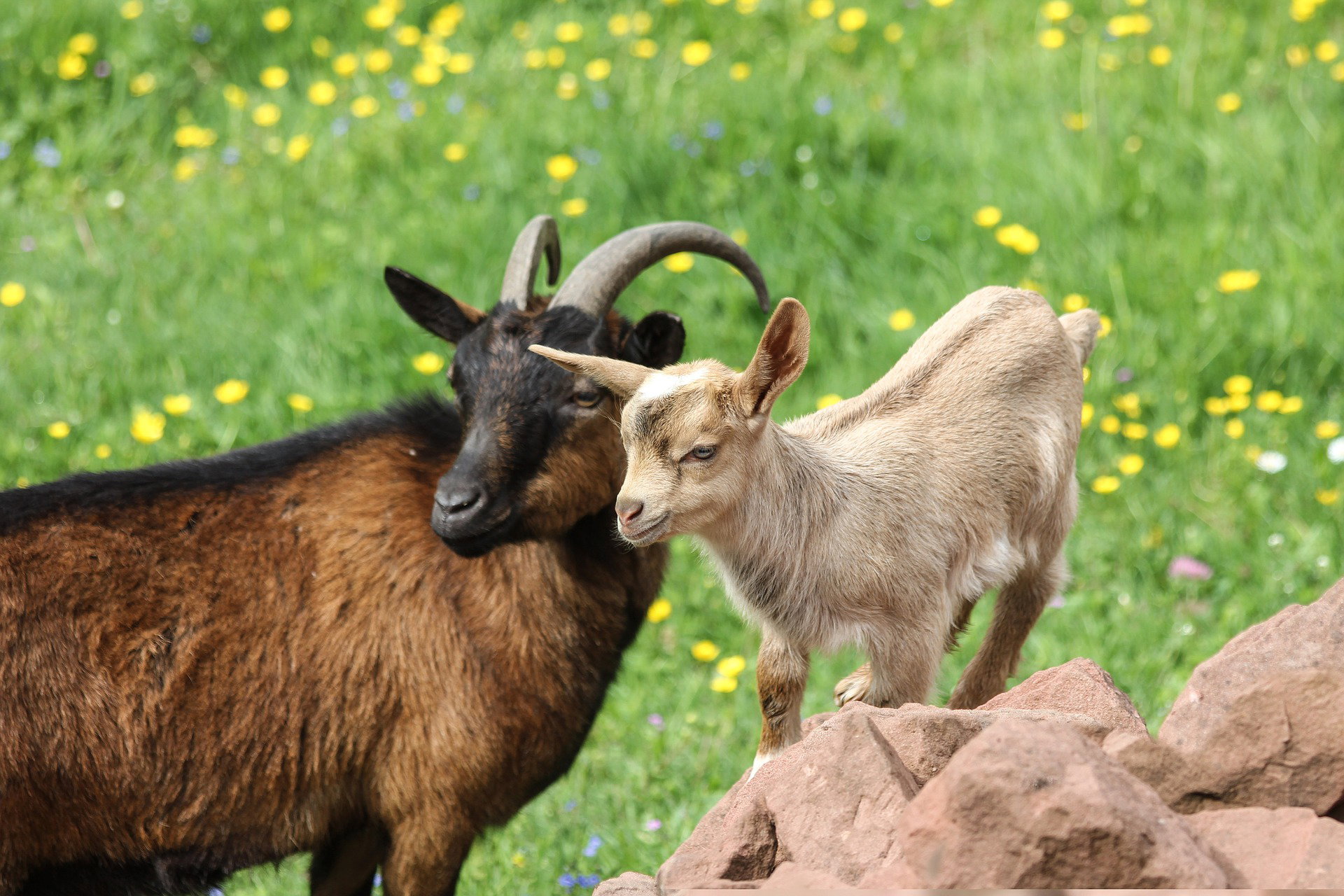
The command not to cook a kid in its mother’s milk appears in three places in the Torah (Exodus 23:19; 34:26; Deuteronomy 14:21). In this chapter I shall try to explain its nature and rationale according to the plain meaning.
To understand the Torah’s intention deeply, we must examine all three occurrences, interpreting the prohibition within each context and discovering the thread connecting them.
The first two occurrences, in Exodus, appear in the context of the three pilgrimage festivals. The third, in Deuteronomy, accompanies prohibitions arising from Israel’s holiness. Here the rationale is clearer against the background of the opening of chapter 14. Its first section (verses 1–21) may be called the “holiness unit,” with Israel’s status as a holy people stated at both beginning and end. It opens:
Ye are the children of the LORD your God: ye shall not cut yourselves, nor make any baldness between your eyes for the dead. For thou art a holy people unto the LORD thy God, and the LORD hath chosen thee to be His own treasure out of all peoples that are upon the face of the earth. (Deuteronomy 14:1–2)
בָּנִים אַתֶּם לַה' אֱלֹהֵיכֶם. לֹא תִתְגֹּדְדוּ וְלֹא תָשִׂימוּ קָרְחָה בֵּין עֵינֵיכֶם לָמֵת. כִּי עַם קָדוֹשׁ אַתָּה לַה' אֱלֹהֶיךָ וּבְךָ בָּחַר ה' לִהְיוֹת לוֹ לְעַם סְגֻלָּה מִכֹּל הָעַמִּים אֲשֶׁר עַל פְּנֵי הָאֲדָמָה. (דברים י"ד א-ב)
And concludes:
Ye shall not eat of any thing that dieth of itself; thou mayest give it unto the stranger that is within thy gates, that he may eat it; or thou mayest sell it unto a foreigner; for thou art a holy people unto the LORD thy God. Thou shalt not seethe a kid in its mother’s milk. (Deuteronomy 14:21)
לֹא תֹאכְלוּ כָל נְבֵלָה לַגֵּר אֲשֶׁר בִּשְׁעָרֶיךָ תִּתְּנֶנָּה וַאֲכָלָהּ אוֹ מָכֹר לְנָכְרִי כִּי עַם קָדוֹשׁ אַתָּה לַה' אֱלֹהֶיךָ לֹא תְבַשֵּׁל גְּדִי בַּחֲלֵב אִמּוֹ. (דברים י"ד כא)
According to this holiness unit, Israel’s holiness requires observance of certain commandments: for example, the opening prohibitions on cutting oneself and making bald patches for the dead, and the dietary restrictions in its center. The concluding prohibition on cooking a kid in its mother’s milk presumably belongs to these special demands arising from Israel’s holiness.
Its juxtaposition with the ban on eating an animal that died naturally, within a single verse, suggests that both address situations encountered by livestock owners. Just as holiness forbids the Israelite shepherd to eat a carcass, it forbids cooking a kid in its mother’s milk. Nahmanides explains:
The reason “for thou art a holy people unto the LORD thy God” is connected with the prohibition on cooking a kid in its mother’s milk. It is not an abominable food, but is prohibited so that we may be holy in our food, or holy in not becoming a cruel, merciless people, milking the mother and extracting the milk in which to cook her child. (Nahmanides on Deuteronomy 14:21; translated from the Hebrew)
The Suffering of Animals
The Torah exhibits a general concern for animals’ feelings, especially the bond between a mother and her offspring. Several commandments express this. In sending away the mother bird, a person must not exploit her maternal instinct in protecting her young to capture her, but must content himself with taking the young:
If a bird’s nest chance to be before thee in the way, in any tree or on the ground, with young ones or eggs, and the dam sitting upon the young, or upon the eggs, thou shalt not take the dam with the young; thou shalt in any wise let the dam go, but the young thou mayest take unto thyself; that it may be well with thee, and that thou mayest prolong thy days. (Deuteronomy 22:6–7)
כִּי יִקָּרֵא קַן צִפּוֹר לְפָנֶיךָ בַּדֶּרֶךְ בְּכָל עֵץ אוֹ עַל הָאָרֶץ אֶפְרֹחִים אוֹ בֵיצִים וְהָאֵם רֹבֶצֶת עַל הָאֶפְרֹחִים אוֹ עַל הַבֵּיצִים לֹא תִקַּח הָאֵם עַל הַבָּנִים. שַׁלֵּחַ תְּשַׁלַּח אֶת הָאֵם וְאֶת הַבָּנִים תִּקַּח לָךְ לְמַעַן יִיטַב לָךְ וְהַאֲרַכְתָּ יָמִים. (דברים כ"ב ו-ז)
Other examples are the requirement to leave an offspring with its mother for seven days before it becomes eligible for sacrifice, and the ban on slaughtering an animal and its offspring on the same day. These appear together:
When a bullock, or a sheep, or a goat, is brought forth, then it shall be seven days under the dam; but from the eighth day and thenceforth it may be accepted for an offering made by fire unto the LORD. And whether it be cow or ewe, ye shall not kill it and its young both in one day. (Leviticus 22:27–28)
שׁוֹר אוֹ כֶשֶׂב אוֹ עֵז כִּי יִוָּלֵד וְהָיָה שִׁבְעַת יָמִים תַּחַת אִמּוֹ וּמִיּוֹם הַשְּׁמִינִי וָהָלְאָה יֵרָצֶה לְקָרְבַּן אִשֶּׁה לַה'. וְשׁוֹר אוֹ שֶׂה אֹתוֹ וְאֶת בְּנוֹ לֹא תִשְׁחֲטוּ בְּיוֹם אֶחָד. (ויקרא כ"ב כז-כח)
The prohibition on cooking a kid in its mother’s milk apparently arises from the same regard for maternal feeling, banning an act that expresses contempt for it. Rashbam offers a similar explanation:
Goats commonly bear two kids together, and people would slaughter one. Since goats yield abundant milk, as Proverbs 27:27 indicates, people would cook it in its mother’s milk. Scripture speaks of the usual practice. Eating the mother’s milk together with her offspring is disgraceful, gluttonous, and voracious. The same principle appears in the prohibitions on slaughtering an animal and its offspring and in sending away the mother bird. Scripture commanded this to teach civilized conduct. (Rashbam on Exodus 23:19; translated from the Hebrew)
Although morality binds all humanity, this is a demand for a high moral standard required specifically of Israel, commanded to be holy. This is suggested by the Torah’s linking the prohibition to Israel’s status as a holy people unto the LORD (Deuteronomy 14:21: “כִּי עַם קָדוֹשׁ אַתָּה לַה’ אֱלֹהֶיךָ לֹא תְבַשֵּׁל גְּדִי בַּחֲלֵב אִמּוֹ”).
A Kid in Its Mother’s Milk at the Pilgrimage Festivals
We have seen that the prohibition follows from moral demands arising from Israel’s holiness, alongside other commandments respecting animals’ maternal feelings. Yet its connection to the pilgrimage festivals remains unexplained. Why do its other two occurrences appear specifically in that context?
Maimonides inferred a connection to idolatry. He writes in The Guide of the Perplexed:
As for the prohibition of meat with milk, although it is undoubtedly very heavy food and causes excessive fullness, I do not find it implausible that idolatry played a part in this. Perhaps they ate it in a ritual or at one of their festivals. In my view this is supported by the prohibition’s first two occurrences alongside the command of pilgrimage, when all males appear before the Lord three times a year (Exodus 23:17). It is as though He says: when you make pilgrimage and enter the house of the LORD your God (23:19; 34:26), do not cook there in this manner as they did. This seems the most plausible reason to me, though I have not found it in the Sabian books I read. (Maimonides, Guide, III:48, Schwartz edition; translated from the Hebrew quotation)
Besides Maimonides’ inability to find evidence of such an idolatrous custom, the Torah itself gives no indication of a connection to idolatry. The third occurrence, in Deuteronomy’s holiness unit, instead connects it with a moral demand on holy Israel. Can we understand its festival occurrences similarly?
To answer, we must examine their context: does the prohibition concern all three festivals or one particular festival? Rashbam, quoted above on Exodus 23:19, explains that at all the festivals people ate many animals, prompting the warning against cooking and eating a kid in its mother’s milk. On his reading no single festival is involved. Yet the verses’ structure hints at a particular one. Since the two Exodus passages are almost identical, I shall illustrate with Mishpatim:
Three times thou shalt keep a feast unto Me in the year. The feast of unleavened bread shalt thou keep; seven days thou shalt eat unleavened bread, as I commanded thee, at the time appointed in the month Abib–for in it thou camest out from Egypt; and none shall appear before Me empty; and the feast of harvest, the first-fruits of thy labours, which thou sowest in the field; and the feast of ingathering, at the end of the year, when thou gatherest in thy labours out of the field. Three times in the year all thy males shall appear before the Lord GOD. (Exodus 23:14–17)
שָׁלֹשׁ רְגָלִים תָּחֹג לִי בַּשָּׁנָה.
אֶת חַג הַמַּצּוֹת תִּשְׁמֹר שִׁבְעַת יָמִים תֹּאכַל מַצּוֹת כַּאֲשֶׁר צִוִּיתִךָ לְמוֹעֵד חֹדֶשׁ הָאָבִיב כִי בוֹ יָצָאתָ מִמִּצְרָיִם וְלֹא יֵרָאוּ פָנַי רֵיקָם.
וְחַג הַקָּצִיר בִּכּוּרֵי מַעֲשֶׂיךָ אֲשֶׁר תִּזְרַע בַּשָּׂדֶה
וְחַג הָאָסִף בְּצֵאת הַשָּׁנָה בְּאָסְפְּךָ אֶת מַעֲשֶׂיךָ מִן הַשָּׂדֶה.
שָׁלֹשׁ פְּעָמִים בַּשָּׁנָה יֵרָאֶה כָּל זְכוּרְךָ אֶל פְּנֵי הָאָדֹן ה'.Thou shalt not offer the blood of My sacrifice with leavened bread; neither shall the fat of My feast remain all night until the morning. The choicest first-fruits of thy land thou shalt bring into the house of the LORD thy God. Thou shalt not seethe a kid in its mother’s milk. (Exodus 23:18–19)
לֹא תִזְבַּח עַל חָמֵץ דַּם זִבְחִי וְלֹא יָלִין חֵלֶב חַגִּי עַד בֹּקֶר.
רֵאשִׁית בִּכּוּרֵי אַדְמָתְךָ תָּבִיא בֵּית ה' אֱלֹהֶיךָ
לֹא תְבַשֵּׁל גְּדִי בַּחֲלֵב אִמּוֹ. (שמות כ"ג יד-יט)
The kid prohibition ends a series seemingly connected to the festivals and arranged in the same calendar order as their preceding mention. The first pair – not offering sacrificial blood with leaven and not leaving the festival fat overnight – concerns the Passover offering. Bringing the choicest firstfruits concerns the Festival of Firstfruits. By this pattern the final prohibition concerns Sukkot, last of the three festivals.
This seems natural because it supplies a command for each preceding festival. It is problematic, however: while the first two commands use terms unmistakably related to Passover and Firstfruits, cooking a kid in its mother’s milk has no connection to Sukkot.
The verses can be read differently. The final verse may form a single unit entirely about Firstfruits: bring your choicest firstfruits to God’s house, but do not cook a kid in its mother’s milk. Instead of three commands for three festivals, there are two pairs for Passover and Shavuot. The first pair, the prohibitions on leaven with sacrificial blood and on leaving fat overnight, concerns Passover. The second, bringing firstfruits and not cooking a kid in its mother’s milk, concerns Firstfruits. Sukkot then has no special command here.
This reading creates greater structural harmony: each of the first two festivals has two commands, whereas the earlier reading gives Passover two and the others one each. Moreover, both pairs complement one another. The Passover commands mark the festival’s limits: the offering’s time, toward evening when leaven becomes forbidden, and the end of its consumption the next morning. Similarly, the Firstfruits commands complement each other: the verse first requires bringing firstfruits, then qualifies that requirement by prohibiting cooking a kid in its mother’s milk.
If we accept this reading, we must explain the connection between firstfruits and that prohibition. Why is it mentioned specifically here, and how does it relate to the moral command arising from Israel’s holiness?
To answer, we must understand the Festival of Firstfruits’ distinctive nature. Generally the Torah forbids offering leavened bread, honey, and leaven with sacrifices:
No meal-offering, which ye shall bring unto the LORD, shall be made with leaven; for ye shall make no leaven, nor any honey, smoke as an offering made by fire unto the LORD. (Leviticus 2:11)
כָּל הַמִּנְחָה אֲשֶׁר תַּקְרִיבוּ לַה' לֹא תֵעָשֶׂה חָמֵץ כִּי כָל שְׂאֹר וְכָל דְּבַשׁ לֹא תַקְטִירוּ מִמֶּנּוּ אִשֶּׁה לַה'. (ויקרא ב' יא)
Leavened bread, leaven, and fruit honey are the rich, mature, perfected forms of bread and fruit. For sacrifices the Torah asks instead for the simple and elementary. Accompanying breads are therefore unleavened. There is, however, an exception: the firstfruits offering may be brought in bread’s richer form. Leaven and honey may be brought with it, though not burned on the altar:
As an offering of first-fruits ye may bring them unto the LORD; but they shall not come up for a sweet savour on the altar. (Leviticus 2:12)
...קָרְבַּן רֵאשִׁית תַּקְרִיבוּ אֹתָם לַה' וְאֶל הַמִּזְבֵּחַ לֹא יַעֲלוּ לְרֵיחַ נִיחֹחַ. (ויקרא ב' יב)
The permission to bring leaven, honey, and leavened bread at Firstfruits follows from the nature of the harvest festival. Here the Israelite acknowledges that all his blessings come from God and gives thanks. In expressing gratitude it is appropriate to bring rich, ripe, perfected produce, including leaven and honey. For the same reason, the two loaves brought at Firstfruits as part of its offering are leavened:
Ye shall bring out of your dwellings two wave-loaves of two tenth parts of an ephah; they shall be of fine flour, they shall be baked with leaven, for first-fruits unto the LORD. (Leviticus 23:17)
מִמּוֹשְׁבֹתֵיכֶם תָּבִיאּוּ לֶחֶם תְּנוּפָה שְׁתַּיִם שְׁנֵי עֶשְׂרֹנִים סֹלֶת תִּהְיֶינָה חָמֵץ תֵּאָפֶינָה בִּכּוּרִים לַה'. (ויקרא כ"ג יז)
Along the same line, the thanksgiving offering, whose essence is thanking God for His goodness, is exceptionally accompanied by leavened bread:
With cakes of leavened bread he shall present his offering with the sacrifice of his peace-offerings for thanksgiving. (Leviticus 7:13)
עַל חַלֹּת לֶחֶם חָמֵץ יַקְרִיב קָרְבָּנוֹ עַל זֶבַח תּוֹדַת שְׁלָמָיו. (ויקרא ז' יג)
We can now understand why this prohibition is mentioned at Firstfruits rather than other festivals. One might think that just as leaven and honey are permitted and desirable, enriching the festival sacrifices by cooking them in milk rather than water is also permitted, perhaps desirable. Like leaven and honey, milk expresses God’s bounty. The Torah twice puts the phrase “a land flowing with milk and honey” into the mouth of the person thanking God for His goodness in this context:
And it shall be, when thou art come in unto the land which the LORD thy God giveth thee for an inheritance, and dost possess it, and dwell therein; that thou shalt take of the first of all the fruit of the ground, which thou shalt bring in from thy land that the LORD thy God giveth thee; and thou shalt put it in a basket and shalt go unto the place which the LORD thy God shall choose to cause His name to dwell there. … And He hath brought us into this place, and hath given us this land, a land flowing with milk and honey. … Look forth from Thy holy habitation, from heaven, and bless Thy people Israel, and the land which Thou hast given us, as Thou didst swear unto our fathers, a land flowing with milk and honey.’ (Deuteronomy 26:1–2, 9, 15)
וְהָיָה כִי תָבוֹא אֶל הָאָרֶץ אֲשֶׁר ה' אֱלֹהֶיךָ נֹתֵן לְךָ נַחֲלָה וִירִשְׁתָּהּ וְיָשַׁבְתָּ בָּהּ. וְלָקַחְתָּ מֵרֵאשִׁית כָּל פְּרִי הָאֲדָמָה אֲשֶׁר תָּבִיא מֵאַרְצְךָ אֲשֶׁר ה' אֱלֹהֶיךָ נֹתֵן לָךְ וְשַׂמְתָּ בַטֶּנֶא... וְעָנִיתָ וְאָמַרְתָּ... וַיְבִאֵנוּ אֶל הַמָּקוֹם הַזֶּה וַיִּתֶּן לָנוּ אֶת הָאָרֶץ הַזֹּאת אֶרֶץ זָבַת חָלָב וּדְבָשׁ... הַשְׁקִיפָה מִמְּעוֹן קָדְשְׁךָ מִן הַשָּׁמַיִם וּבָרֵךְ אֶת עַמְּךָ אֶת יִשְׂרָאֵל וְאֵת הָאֲדָמָה אֲשֶׁר נָתַתָּה לָנוּ כַּאֲשֶׁר נִשְׁבַּעְתָּ לַאֲבֹתֵינוּ אֶרֶץ זָבַת חָלָב וּדְבָשׁ. (דברים כ"ו א-טו)
The Torah therefore warns that even at Firstfruits, where exceptionally rich offerings containing leaven and honey are permitted and appropriate, the moral prohibition on cooking a kid in its mother’s milk remains, by virtue of Israel’s commanded holiness.
The sages continued the conceptual direction of the plain text and extended the prohibition to all cooking of meat in milk (Babylonian Talmud, Hullin 113a). This extension addresses the text’s deeper plain meaning. Even if the milk is not from the particular animal’s mother, it remains maternal milk intended to nourish and raise young, and should not be used to cook mammals’ flesh.
This explains why fish is excluded and how Rabbi Yose the Galilean could permit poultry in milk (Hullin 113a). Fish and birds do not suckle; cooking them in milk therefore does not violate the respect accorded their maternal feeling. The sages who disagreed wished to distance people from transgression and therefore prohibited poultry too, but they also acknowledge that this is not a Torah prohibition.
