Shemot
- “The God of the Hebrews”From the book “In Search of Lost Meaning”
- “A Three-Day Journey” and the Borrowed VesselsFrom the book “In Search of Lost Meaning”
- The God of the HebrewsThe exodus is a national story bearing universal significanceFrom the book “Peshat in Brief (working title)”
- Through Righteous WomenEgyptian and Israelite women offer a moral alternative to oppression and crueltyFrom the book “Peshat in Brief (working title)”
- A Sign from the FutureA sign that fulfills, rather than provesFrom the book “Peshat in Brief (working title)”
Vaera
- “The God of the Hebrews”From the book “In Search of Lost Meaning”
- Moses’ SonsWhere did Moses’ sons disappear to in his genealogy?From the book “Peshat in Brief (working title)”
- The DeceptionThe three-day journey was a stratagem misleading both Pharaoh and IsraelFrom the book “Peshat in Brief (working title)”
- The Frogs That Did Not Return to the NileThe LORD’s response to Moses’ excessive independenceFrom the book “Peshat in Brief (working title)”
Bo
- “A Three-Day Journey” and the Borrowed VesselsFrom the book “In Search of Lost Meaning”
- Leaving the CityEncountering God requires departure from impure space; the Tabernacle newly permits remaining within itFrom the book “Peshat in Brief (working title)”
- “And after That I Will Go Out”Freedom requires complete severanceFrom the book “Peshat in Brief (working title)”
- When Does the New Year Begin?The Torah’s spring and autumn calendars begin around solar equinoxes, without fixed lunar-month datesFrom the book “Peshat in Brief (working title)”
- A Covenant of BloodAll firstborn belong to the LORD; the firstborn of Israel were therefore also in danger, and only an active intervention exempted themFrom the book “Peshat in Brief (working title)”
- Israel’s LivestockIsrael’s livestock included asses and camels, but no horses, which belonged only to powerful kingdoms such as the Egyptian empireFrom the book “Peshat in Brief (working title)”
Beshalach
- A Study of the Splitting of the SeaFrom the book “In Search of Lost Meaning”
- “The Children of Israel Went Up Armed out of the Land of Egypt”The Israelites left Egypt in an orderly military formation, unlike the stragglers attacked by Amalek outside the campFrom the book “Peshat in Brief (working title)”
- A New Reading of the Parting of the SeaThe Egyptians drowned while fleeing, rather than pursuing – as punishment for their deeds, rather than as Israel’s rescueFrom the book “Peshat in Brief (working title)”
- What Language Did the Israelites Speak?The Israelites’ spoken language may have been Hebrew influenced by AramaicFrom the book “Peshat in Brief (working title)”
- Who Brought the Israelites out of Egypt?The miracles of manna and quails prove that the departure into the wilderness followed the LORD’s command, rather than Moses and Aaron’s initiativeFrom the book “Peshat in Brief (working title)”
- The Manna Left for the SabbathOn the plain meaning of the text, cooking raw manna on the Sabbath was permittedFrom the book “Peshat in Brief (working title)”
Yitro
- A Study of the Revelation at SinaiFrom the book “In Search of Lost Meaning”
- The Feedback MechanismThe people need laws, and the divine law that answers that need remains responsive to their demands for justiceFrom the book “Peshat in Brief (working title)”
- “And God Command Thee So”A result of adopting Jethro’s advice, rather than a requirement for divine approvalFrom the book “Peshat in Brief (working title)”
- “And If Thou Make Me an Altar of Stone”Encountering God as a departure from the human sphereFrom the book “Peshat in Brief (working title)”

Mishpatim
- “Thou Shalt Not Seethe a Kid in Its Mother’s Milk”From the book “In Search of Lost Meaning”
- “If a Thief Be Found Breaking In”The Torah rejects the death penalty for theft and disputes the laws of HammurabiFrom the book “Peshat in Brief (working title)”
- Ox InsuranceDivision rather than payment: where fault is unclear, the loss is sharedFrom the book “Peshat in Brief (working title)”
- Between a Person and the HeartThe Torah addresses the inner reluctance to help an enemy, requiring a person to overcome it and helpFrom the book “Peshat in Brief (working title)”
Terumah
- What Comes First in the Tabernacle and Its Furnishings?From the book “In Search of Lost Meaning”
- The Meeting Tent, the Veil, and the Incense AltarFrom the book “In Search of Lost Meaning”
- “To Whom Then Will Ye Liken God? Or What Likeness Will Ye Compare unto Him?”The human dimensions of the Tabernacle and its furnishings express the LORD’s closeness to humanityFrom the book “Peshat in Brief (working title)”
- “The Staves Shall Be in the Rings of the Ark; They Shall Not Be Taken from It”The ark’s staves are integral to it, like wheels to a chariotFrom the book “Peshat in Brief (working title)”
- What Was the Ark For, and What Was the Role of the Cherubim?The ark is the LORD’s chariot and seat; the cherubim shelter it as an honor guardFrom the book “Peshat in Brief (working title)”
- The Connection between Facebook and ShowbreadShowbread: bread of a face-to-face encounter with the LORDFrom the book “Peshat in Brief (working title)”
- “And the Overhanging Part That Remaineth”The arrangement of the tent curtains and the symmetry of the TabernacleFrom the book “Peshat in Brief (working title)”
Tetzaveh
- What Comes First in the Tabernacle and Its Furnishings?From the book “In Search of Lost Meaning”
- The Meeting Tent, the Veil, and the Incense AltarFrom the book “In Search of Lost Meaning”
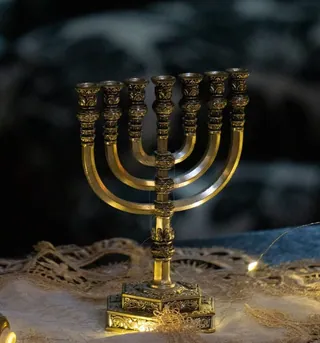
- A Perpetual Lamp or Lamps for Light?The menorah serves two purposes: illumination, and symbolizing the divine presence continually dwelling in the TabernacleFrom the book “Peshat in Brief (working title)”
- “And the Sound Thereof Shall Be Heard … That He Die Not”The bells announce the high priest’s entry and exit, protecting him from the cherubim guarding the entranceFrom the book “Peshat in Brief (working title)”
- What Was the Role of the Incense Altar?The incense altar created a screening cloud that allowed the LORD’s glory to dwell in the Tent of Meeting and protected humanity from the intensity of revelationFrom the book “Peshat in Brief (working title)”

Ki Tisa
- “Thou Shalt Not Seethe a Kid in Its Mother’s Milk”From the book “In Search of Lost Meaning”
- What Comes First in the Tabernacle and Its Furnishings?From the book “In Search of Lost Meaning”
- The Meeting Tent, the Veil, and the Incense AltarFrom the book “In Search of Lost Meaning”
- The BasinFrom the book “In Search of Lost Meaning”
- Why Does a Census Lead to a Plague?Lifting the head exposes a person to the LORD’s examination and, in large numbers, to a plague; the contribution atones and protects against judgmentFrom the book “Peshat in Brief (working title)”
- How Does the Golden Calf Replace Moses?Aaron saw the calf as a representation of the LORD’s throne, like the ark and its sheltering cherubim; the people saw it as the LORD HimselfFrom the book “Peshat in Brief (working title)”
- The LORD’s Book“Thy book which Thou hast written” is the divine plan for the future, and Moses refuses to participate without IsraelFrom the book “Peshat in Brief (working title)”
- The Encounter outside the CampThe outer Tent of Meeting presents a mutual encounter between the LORD and His seeker, independent of a fixed place, institution, or permanenceFrom the book “Peshat in Brief (working title)”
- Moses’ TentThe need to leave the camp to encounter the LORD directly, rather than through MosesFrom the book “Peshat in Brief (working title)”
Vayakhel
- The Sabbath and the TabernacleFrom the book “In Search of Lost Meaning”
- What Comes First in the Tabernacle and Its Furnishings?From the book “In Search of Lost Meaning”
- The BasinFrom the book “In Search of Lost Meaning”
- Bezalel and OholiabFrom the head of the camp to its rear guardFrom the book “Peshat in Brief (working title)”
- Gender SeparationWomen’s participation in the Tabernacle’s work was limited to sever every link between its worship and sexual pagan cultsFrom the book “Peshat in Brief (working title)”
- “For the South Side Southward”“Negev southward” reflects an established conception of south independent of local geographyFrom the book “Peshat in Brief (working title)”
- “Oil for the Light”Oil and spices, though not used in construction, appear among the contributions because of their valueFrom the book “Peshat in Brief (working title)”
- The Connection between Anointing Oil and IncenseAnointing oil appears with incense because both enable the divine presence to dwell in the TabernacleFrom the book “Peshat in Brief (working title)”

Pekudei
- What Comes First in the Tabernacle and Its Furnishings?From the book “In Search of Lost Meaning”
- Separating the Tabernacle’s Furnishings from Priestly GarmentsThe deliberate textual separation prevents wearable instruments from being perceived as intrinsically holy and misused outside the sanctuaryFrom the book “Peshat in Brief (working title)”
- Why Were the Burnt-Offering Altar and Laver Not Brought into the Courtyard?The courtyard hangings are erected around the outer furnishings rather than defining their locationFrom the book “Peshat in Brief (working title)”
- The Relationship between the Tabernacle’s Curtains and BoardsThe curtains form an independent Tent of Meeting; the boards add stability and splendor to the space beneathFrom the book “Peshat in Brief (working title)”