And thou shalt make an altar to burn incense upon; of acacia-wood shalt thou make it. … And thou shalt put it before the veil that is by the ark of the testimony, before the ark-cover that is over the testimony, where I will meet with thee. And Aaron shall burn thereon incense of sweet spices; every morning, when he dresseth the lamps, he shall burn it. And when Aaron lighteth the lamps at dusk, he shall burn it, a perpetual incense before the LORD throughout your generations. … And Aaron shall make atonement upon the horns of it once in the year; with the blood of the sin-offering of atonement once in the year shall he make atonement for it throughout your generations; it is most holy unto the LORD.’ (Exodus 30:1–10)
וְעָשִׂיתָ מִזְבֵּחַ מִקְטַר קְטֹרֶת – עֲצֵי שִׁטִּים תַּעֲשֶׂה אֹתוֹ ... וְנָתַתָּה אֹתוֹ לִפְנֵי הַפָּרֹכֶת, אֲשֶׁר עַל אֲרֹן הָעֵדֻת, לִפְנֵי הַכַּפֹּרֶת אֲשֶׁר עַל הָעֵדֻת, אֲשֶׁר אִוָּעֵד לְךָ שָׁמָּה. וְהִקְטִיר עָלָיו אַהֲרֹן קְטֹרֶת סַמִּים – בַּבֹּקֶר בַּבֹּקֶר, בְּהֵיטִיבוֹ אֶת הַנֵּרֹת יַקְטִירֶנָּה. וּבְהַעֲלֹת אַהֲרֹן אֶת הַנֵּרֹת בֵּין הָעַרְבַּיִם – יַקְטִירֶנָּה, קְטֹרֶת תָּמִיד, לִפְנֵי ה', לְדֹרֹתֵיכֶם ... וְכִפֶּר אַהֲרֹן עַל קַרְנֹתָיו אַחַת בַּשָּׁנָה, מִדַּם חַטַּאת הַכִּפֻּרִים – אַחַת בַּשָּׁנָה יְכַפֵּר עָלָיו, לְדֹרֹתֵיכֶם. קֹדֶשׁ קָדָשִׁים הוּא לַה'. (שמות ל', א-י)
Several medieval commentators, including Maimonides and Rabbi Joseph Bekhor Shor, believe incense perfumed the Tabernacle to conceal unpleasant smells associated with sacrifices. Cassuto also explains: “The time for burning incense was fixed precisely at the dressing and lighting of the lamps, apparently so that its pleasant fragrance would prevent an unpleasant smell of extinguished wicks and burnt oil being noticed in the Tabernacle.”
This interpretation seems implausible to me. The Torah gives incense and its altar great importance. It severely forbids imitating the incense (Exodus 30:33) and calls the incense altar “most holy unto the LORD” (Exodus 30:10), something not said of the table, menorah, or even the ark and cover. Had it chiefly been a sort of “air freshener,” its treatment would presumably have been less exalted. Moreover, the smell of sacrifices burned into smoke is described as a pleasing savor and apparently posed no problem.
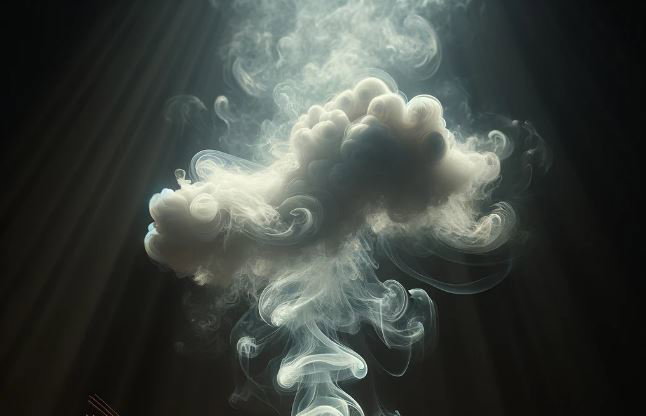
Incense is thus difficult to regard as a meaningless technical device. We should seek a more essential explanation involving the encounter with the LORD’s presence: its altar creates a screening cloud allowing His glory to dwell in the Tent of Meeting, rather than merely perfuming it. The cloud was the medium in which that glory dwelled; its screening protected humanity from the encounter’s intensity.
Revelation through a cloud recurs throughout the Bible. At Sinai: “Now mount Sinai was altogether on smoke, because the LORD descended upon it in fire” (Exodus 19:18), and “And Moses entered into the midst of the cloud, and went up into the mount” (Exodus 24:18). After the Tabernacle was erected: “Then the cloud covered the tent of meeting, and the glory of the LORD filled the tabernacle” (Exodus 40:34). At the First Temple’s dedication: “the cloud filled the house of the LORD” (I Kings 8:10). Solomon interprets this: “Then spoke Solomon: The LORD hath said that He would dwell in the thick darkness” (verse 12).
This clarifies incense’s role: creating a cloud inside the Tabernacle to screen revelation, enabling the divine presence to appear without consuming those exposed to it. The preparations for entering the sanctuary explicitly state that incense enables revelation:
and the LORD said unto Moses: ‘Speak unto Aaron thy brother, that he come not at all times into the holy place within the veil, before the ark-cover which is upon the ark; that he die not; for I appear in the cloud upon the ark-cover. (Leviticus 16:2)
וַיֹּאמֶר ה' אֶל מֹשֶׁה: דַּבֵּר אֶל אַהֲרֹן אָחִיךָ, וְאַל יָבֹא בְכָל עֵת אֶל הַקֹּדֶשׁ מִבֵּית לַפָּרֹכֶת אֶל פְּנֵי הַכַּפֹּרֶת אֲשֶׁר עַל הָאָרֹן, וְלֹא יָמוּת – כִּי בֶּעָנָן אֵרָאֶה עַל הַכַּפֹּרֶת. (ט"ז, ב)
The Torah describes revelation in the Tent of Meeting at different locations: between the cherubim (for example, Exodus 25:22); throughout the tent’s interior without a specific location (for example, Exodus 30:36); and at its entrance (for example, Numbers 16:18–19). To accommodate all three, we can say that the LORD met in different places on different occasions and for different purposes:
- Public revelation before the entire people: in a pillar of cloud at the entrance.
- The daily presence of the LORD’s glory: throughout the interior, enveloped in smoke from the incense altar.
- A rare, special revelation once a year: in the incense cloud in the Holy of Holies.
In the latter two cases, the cloud is human-made incense rather than a divine cloud, created on human initiative to enable revelation. The Holy of Holies revelation was brief and intense, requiring a large quantity of incense at once for a heavy screen. The cloud in the tent’s interior, produced by incense burning slowly throughout the day, was thinner, sufficient for encountering the constant presence of the LORD’s glory throughout the tent.
As an additional observation, incense was apparently timed to the dressing of the lamps to reduce the number of entries into the Tabernacle, using the same visit for both duties, rather than to conceal the smell of extinguished wicks or burnt oil.
