And they shall make an ark of acacia-wood … And thou shalt put into the ark the testimony which I shall give thee. And thou shalt make an ark-cover of pure gold … And thou shalt make two cherubim of gold; of beaten work shalt thou make them, at the two ends of the ark-cover. … And the cherubim shall spread out their wings on high, screening the ark-cover with their wings, with their faces one to another; toward the ark-cover shall the faces of the cherubim be. … And there I will meet with thee, and I will speak with thee from above the ark-cover, from between the two cherubim which are upon the ark of the testimony, of all things which I will give thee in commandment unto the children of Israel. (Exodus 25:10–22)
וְעָשׂוּ אֲרוֹן עֲצֵי שִׁטִּים ... וְנָתַתָּ אֶל הָאָרֹן אֵת הָעֵדֻת אֲשֶׁר אֶתֵּן אֵלֶיךָ ... וְעָשִׂיתָ כַפֹּרֶת זָהָב טָהוֹר ... וְעָשִׂיתָ שְׁנַיִם כְּרֻבִים זָהָב מִקְשָׁה תַּעֲשֶׂה אֹתָם מִשְּׁנֵי קְצוֹת הַכַּפֹּרֶת ... וְהָיוּ הַכְּרֻבִים פֹּרְשֵׂי כְנָפַיִם לְמַעְלָה סֹכְכִים בְּכַנְפֵיהֶם עַל הַכַּפֹּרֶת וּפְנֵיהֶם אִישׁ אֶל אָחִיו אֶל הַכַּפֹּרֶת יִהְיוּ פְּנֵי הַכְּרֻבִים ... וְנוֹעַדְתִּי לְךָ שָׁם וְדִבַּרְתִּי אִתְּךָ מֵעַל הַכַּפֹּרֶת מִבֵּין שְׁנֵי הַכְּרֻבִים אֲשֶׁר עַל אֲרוֹן הָעֵדֻת אֵת כָּל אֲשֶׁר אֲצַוֶּה אוֹתְךָ אֶל בְּנֵי יִשְׂרָאֵל (שמות כ"ה, י-כב)
Cassuto explains that the cherubim are a kind of throne and chariot of the LORD, the One “enthroned upon the cherubim” (Psalms 80:2), while the ark is a kind of footstool (Psalms 99:5), holding a copy of the covenant between the LORD and Israel, as was customary in the ancient Near East.
This description, however, presents several difficulties:
- The footstool’s physical location: It is difficult to identify the ark as a footstool if the cherubim constitute the throne. A footstool usually stands before a throne, rather than beneath it.
- The Tabernacle’s anthropomorphic dimensions: Though symbolic, the Tabernacle and its furnishings have dimensions suited to a human figure, as the table illustrates. It is therefore difficult to see the relatively large and high ark as a footstool.
- The LORD’s location between the cherubim: At the end of their description we read: “And there I will meet with thee, and I will speak with thee from above the ark-cover, from between the two cherubim which are upon the ark of the testimony” (Exodus 25:22). The LORD dwells above the cover, between the cherubim rather than above them. They shelter His place instead of forming His seat.
- The cherubim in Solomon’s Temple: These belonged to the permanent structure, and at the dedication the ark was placed beneath their wings (I Kings 8:6–7). Chronicles describes giant cherubim standing on their feet on either side of the ark’s place, their wings extending sideways, each wing five cubits long. Their combined span reached wall to wall, twenty cubits altogether (II Chronicles 3:10–13). This presents the cherubim as part of a permanent architectural enclosure under which the ark was placed. It fits protective figures sheltering the LORD rather than forming His seat.
- The ark is the chariot: It was the only Tabernacle furnishing whose staves remained fixed while encamped. As demonstrated in “The Staves Shall Be in the Rings of the Ark; They Shall Not Be Taken from It,” this permanence suggests that mobility is essential to the ark, rather than merely functional: it carries the LORD’s presence at all times. Thus the ark is not a footstool, nor are the cherubim His seat; the ark is His chariot and seat in the Tabernacle.
Taken together, these difficulties indicate that identifying the cherubim as the LORD’s throne does not suit their biblical description. An alternative explanation of their role is therefore warranted.
The Tabernacle featured various representations of cherubim: on the ark-cover in the Holy of Holies, made of beaten gold (Exodus 25:18); embroidered on the veil separating the Holy Place from the Holy of Holies (Exodus 26:31); and woven into the Tabernacle’s inner curtains (Exodus 26:1).
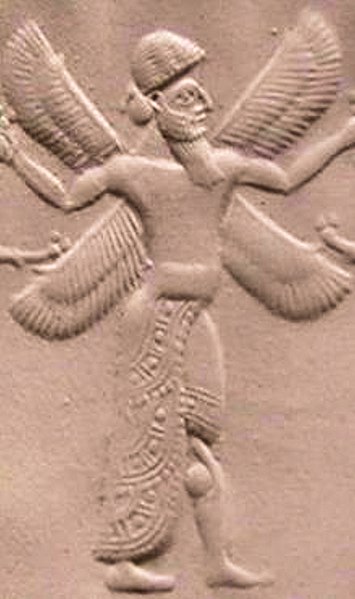
The Torah first mentions cherubim after humanity’s expulsion from Eden, guarding the way to the tree of life, armed with the flaming, turning sword (Genesis 3:24). Similarly, at Mesopotamian temple entrances, winged cherub statues (karābu), combining a lion’s body, an ox’s legs, and a human face, served as gatekeepers. The Tabernacle’s cherub images thus seem to allude to invisible divine cherubim guarding its holiness and preventing the unworthy from entering.
One of the closest ancient Near Eastern parallels to the Tabernacle appears in a diagram of Ramesses II’s military camp at the Battle of Kadesh. Its structure remarkably resembles Exodus’s description, both in the proportions of the courtyard and inner structure and in dividing that structure into two rooms in a one-to-two ratio. The smaller room, corresponding to the Holy of Holies, was King Ramesses’ chamber.
The depiction of Ramesses’ chamber shows two winged figures sheltering with their wings the symbol of his kingship, written in hieroglyphs. This recalls the cherubim sheltering the ark-cover in the Holy of Holies.
The cherubim on either side of the ark-cover, like the other cherub images, thus represent an honor guard protecting the place of the LORD’s presence, rather than serving as His chair. The ark itself serves as a mobile chariot, His seat in the Tabernacle He commanded to be built on earth. For further discussion of the cherubim as gatekeepers, see “And the Sound Thereof Shall Be Heard … That He Die Not.”
