And the LORD spoke unto Moses, saying: ’Speak unto the children of Israel, that they take for Me an offering; of every man whose heart maketh him willing ye shall take My offering. And this is the offering which ye shall take of them: gold, and silver, and brass; and blue, and purple, and scarlet, and fine linen, and goats’hair; and rams’skins dyed red, and sealskins, and acacia-wood; oil for the light, spices for the anointing oil, and for the sweet incense; onyx stones, and stones to be set, for the ephod, and for the breastplate. And let them make Me a sanctuary, that I may dwell among them. According to all that I show thee, the pattern of the tabernacle, and the pattern of all the furniture thereof, even so shall ye make it. (Exodus 25:1–9)
וַיְדַבֵּר ה' אֶל מֹשֶׁה לֵּאמֹר: דַּבֵּר אֶל בְּנֵי יִשְׂרָאֵל וְיִקְחוּ לִי תְּרוּמָה. מֵאֵת כָּל אִישׁ אֲשֶׁר יִדְּבֶנּוּ לִבּוֹ – תִּקְחוּ אֶת תְּרוּמָתִי. וְזֹאת הַתְּרוּמָה אֲשֶׁר תִּקְחוּ מֵאִתָּם: זָהָב, וָכֶסֶף, וּנְחֹשֶׁת, וּתְכֵלֶת, וְאַרְגָּמָן, וְתוֹלַעַת שָׁנִי, וְשֵׁשׁ וְעִזִּים, וְעֹרֹת אֵילִם מְאָדָּמִים, וְעֹרֹת תְּחָשִׁים, וַעֲצֵי שִׁטִּים, שֶׁמֶן – לַמָּאֹר, בְּשָׂמִים – לְשֶׁמֶן הַמִּשְׁחָה וְלִקְטֹרֶת הַסַּמִּים, אַבְנֵי שֹׁהַם וְאַבְנֵי מִלֻּאִים – לָאֵפֹד וְלַחֹשֶׁן. וְעָשׂוּ לִי מִקְדָּשׁ – וְשָׁכַנְתִּי בְּתוֹכָם. כְּכֹל אֲשֶׁר אֲנִי מַרְאֶה אוֹתְךָ, אֵת תַּבְנִית הַמִּשְׁכָּן, וְאֵת תַּבְנִית כָּל כֵּלָיו וְכֵן תַּעֲשׂוּ. (שמות כ"ה, א-ט)
The materials Israel was commanded to contribute were mainly raw materials for constructing the building and furnishings. Exceptions are oil for lighting and spices for anointing oil and incense, used in inauguration and daily operation rather than construction itself. Why mention these, rather than, for example, fine flour for baking showbread?
Rabbi Joseph Bekhor Shor explains that oil and spices were needed for three critical purposes: lighting, anointing oil, and incense, all enabling the LORD’s entry. Anointing oil prepared the Tabernacle and its furnishings; incense perfumed the house as for kings, and also brought the divine presence; lighting avoided the indignity of a king entering a dark house.
Rabbi Joseph Bekhor Shor is undoubtedly right concerning anointing oil, essential to consecration and fitness for use. The same holds for incense on his second explanation, as the medium enabling revelation in Aharei Mot. On his first explanation, merely perfuming the house, however, its necessity is less clear. Similarly, lighting seems no more important than putting showbread on the table or activating other furnishings, as at the Tabernacle’s erection (Exodus 40:17–33).
Gersonides offers another distinction: oil and spices formed the princes’ particular contribution, alongside onyx and setting stones:
And the rulers brought the onyx stones, and the stones to be set, for the ephod, and for the breastplate; and the spice, and the oil, for the light, and for the anointing oil, and for the sweet incense. (Exodus 35:27–28)
וְהַנְּשִׂאִם הֵבִיאוּ: אֵת אַבְנֵי הַשֹּׁהַם, וְאֵת אַבְנֵי הַמִּלֻּאִים – לָאֵפוֹד וְלַחֹשֶׁן, וְאֶת הַבֹּשֶׂם וְאֶת הַשָּׁמֶן – לְמָאוֹר וּלְשֶׁמֶן הַמִּשְׁחָה וְלִקְטֹרֶת הַסַּמִּים. (שמות ל"ה, כז-כח).
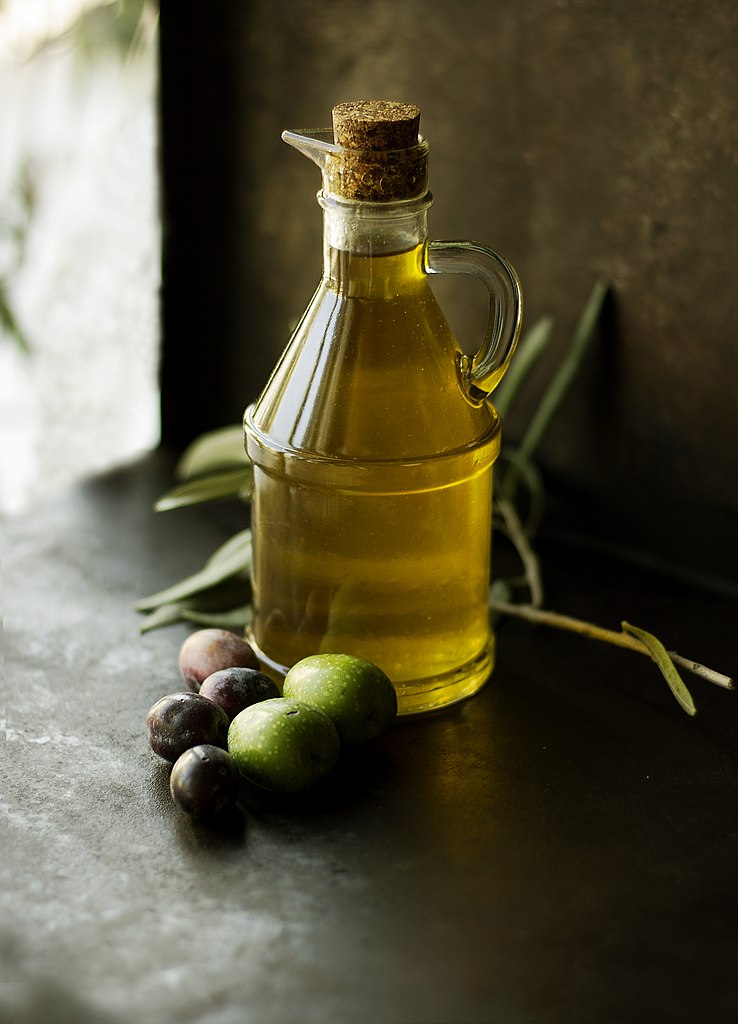
Onyx, setting stones, and spices were highly valuable. According to Gersonides, pure beaten olive oil for lighting was also costly at the time, something only the princes could supply.
Archaeological findings indeed support this. Unlike Canaan, ancient Egypt regarded olive oil as rare and luxurious. Its inclusion alongside breastplate stones and spices as the princes’ gift fits the Exodus context, supporting the account’s authenticity and preservation of a historical memory from a place and period when lighting oil was indeed rare.
Oil and spices therefore appeared in the contributions list because of their value, although they were not needed for construction itself.
