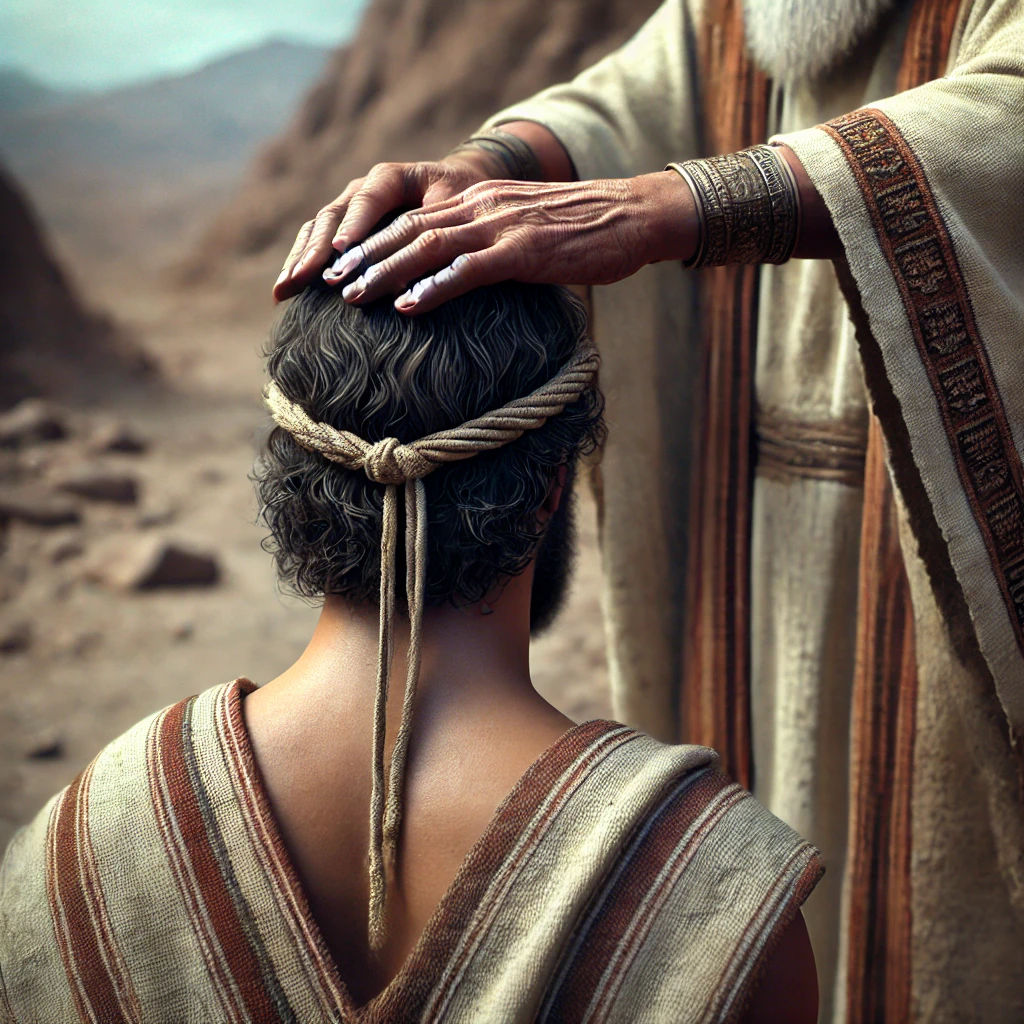
At Deuteronomy’s beginning, Moses reveals that already at the journey’s beginning, in the second year after the exodus, the spies’ sin brought a decree that he would not enter the land and Joshua would replace him.
This differs from Numbers, where only the people bear responsibility for the spies’ sin and the LORD even offers to destroy Israel and create a new nation from Moses (Numbers 14:12). Later, Hukkat attributes Moses and Aaron’s exclusion to their sin at Meribah’s waters rather than the spies’ sin (Numbers 20:12–13). Here we focus on one point arising from Moses’ words, without discussing these contradictions.
According to his account, Moses reacted firmly to the camp’s prevailing mood, sharply opposing the spies and people who feared entering:
Then I said unto you: ‘Dread not, neither be afraid of them. The LORD your God who goeth before you, He shall fight for you, according to all that He did for you in Egypt before your eyes; and in the wilderness, where thou hast seen how that the LORD thy God bore thee, as a man doth bear his son, in all the way that ye went, until ye came unto this place. Yet in this thing ye do not believe the LORD your God, Who went before you in the way, to seek you out a place to pitch your tents in: in fire by night, to show you by what way ye should go, and in the cloud by day.’ (Deuteronomy 1:29–33)
וָאֹמַר אֲלֵכֶם: לֹא תַעַרְצוּן וְלֹא תִירְאוּן מֵהֶם. ה' אֱלֹהֵיכֶם הַהֹלֵךְ לִפְנֵיכֶם הוּא יִלָּחֵם לָכֶם, כְּכֹל אֲשֶׁר עָשָׂה אִתְּכֶם בְּמִצְרַיִם לְעֵינֵיכֶם. וּבַמִּדְבָּר אֲשֶׁר רָאִיתָ, אֲשֶׁר נְשָׂאֲךָ ה' אֱלֹהֶיךָ כַּאֲשֶׁר יִשָּׂא אִישׁ אֶת בְּנוֹ, בְּכׇל הַדֶּרֶךְ אֲשֶׁר הֲלַכְתֶּם עַד בֹּאֲכֶם עַד הַמָּקוֹם הַזֶּה. וּבַדָּבָר הַזֶּה אֵינְכֶם מַאֲמִינִם בַּה' אֱלֹהֵיכֶם. הַהֹלֵךְ לִפְנֵיכֶם בַּדֶּרֶךְ, לָתוּר לָכֶם מָקוֹם לַחֲנֹתְכֶם, בָּאֵשׁ לַיְלָה לַרְאֹתְכֶם בַּדֶּרֶךְ אֲשֶׁר תֵּלְכוּ בָהּ, וּבֶעָנָן יוֹמָם. (דברים א', כט-לג)
But the LORD heard the people and swore that this generation, including Moses, would not see the land:
And the LORD heard the voice of your words, and was wroth, and swore, saying: ’Surely there shall not one of these men, even this evil generation, see the good land, which I swore to give unto your fathers, save Caleb the son of Jephunneh, he shall see it; and to him will I give the land that he hath trodden upon, and to his children; because he hath wholly followed the LORD.’
Also the LORD was angry with me for your sakes, saying: Thou also shalt not go in thither; Joshua the son of Nun, who standeth before thee, he shall go in thither; encourage thou him, for he shall cause Israel to inherit it. (Deuteronomy 1:34–38)וַיִּשְׁמַע ה' אֶת קוֹל דִּבְרֵיכֶם וַיִּקְצֹף וַיִּשָּׁבַע לֵאמֹר. אִם יִרְאֶה אִישׁ בָּאֲנָשִׁים הָאֵלֶּה הַדּוֹר הָרָע הַזֶּה אֵת הָאָרֶץ הַטּוֹבָה אֲשֶׁר נִשְׁבַּעְתִּי לָתֵת לַאֲבֹתֵיכֶם. זוּלָתִי כָּלֵב בֶּן יְפֻנֶּה, הוּא יִרְאֶנָּה, וְלוֹ אֶתֵּן אֶת הָאָרֶץ אֲשֶׁר דָּרַךְ בָּהּ וּלְבָנָיו, יַעַן אֲשֶׁר מִלֵּא אַחֲרֵי ה'.
גַּם בִּי הִתְאַנַּף ה' בִּגְלַלְכֶם לֵאמֹר: גַּם אַתָּה לֹא תָבֹא שָׁם. יְהוֹשֻׁעַ בִּן נוּן הָעֹמֵד לְפָנֶיךָ הוּא יָבֹא שָׁמָּה, אֹתוֹ חַזֵּק כִּי הוּא יַנְחִלֶנָּה אֶת יִשְׂרָאֵל. (דברים א', לד-לח)
From Moses’ perspective, reflected in his speech, he acted correctly, yet that did not help him. The LORD’s anger at him and transfer of leadership to Joshua suggest that Moses was held responsible, at least to some extent, for the failure.
The command to strengthen Joshua – “encourage thou him; for he shall cause Israel to inherit it” – teaches that even after replacement was decided, Moses retained a central role in preparing his successor and ensuring leadership continuity.
If so, this is a stringent conception of leadership responsibility: even when a leader himself acts correctly, he bears responsibility for the failure of the public he heads. Yet replacing a leader need not happen immediately. Sometimes it is right to prepare in advance, ready the successor for his role, and ensure an orderly transfer of responsibility and authority.
