Joseph’s birth turned Jacob’s life. Immediately he requested departure from Laban, as though his Haran mission, fathering Joseph, were complete and return home due. Later Jacob’s generations begin with Joseph: “These are the generations of Jacob. Joseph, being seventeen years old …” (Genesis 37:2).
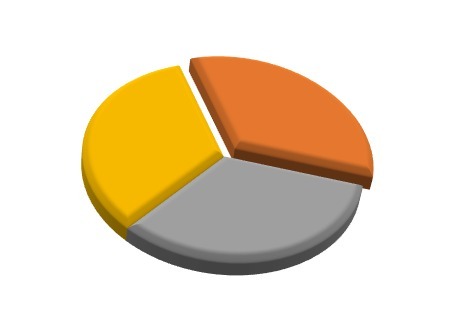
Seventeen recurs in Jacob’s Egyptian years: “And Jacob lived in the land of Egypt seventeen years; so the days of Jacob, the years of his life, were a hundred forty and seven years” (Genesis 47:28). These seventeens divide his life after Joseph’s birth into three parts: seventeen together before the sale, twenty-two apart in Canaan and Egypt, marked by longing, pain, and absence, then seventeen reunited until Jacob’s death.
Jacob is not alone: Abraham’s and Isaac’s lives also divide into three.
Cassuto, in From Noah to Abraham, notes Abraham left Haran at seventy-five (Genesis 12:4), fathered Isaac at one hundred (Genesis 21:5), and lived 175 years (Genesis 25:7). The first and last portions match: seventy-five with his father Terah in Haran, without Isaac, then twenty-five without either father or son, and seventy-five with Isaac until death.
Isaac’s life divides into three equal parts, though this is unstated and depends on assumptions that are not conclusive.
Jacob’s twin Esau married at forty (Genesis 26:34–35), background to Rebekah’s request that Jacob avoid Hittite daughters and his dispatch to marry Laban’s daughter. Jacob may therefore have left for Haran around forty.
Before returning, Jacob says he spent twenty years there (Genesis 31:41), suggesting return at sixty, when Isaac, sixty years older (Genesis 25:26), was about 120.
Isaac’s life thus has three equal portions: sixty before his children’s birth, sixty until meeting Jacob’s children, and sixty living near those grandchildren in Canaan.
These divisions prominently mirror beginnings and ends: Abraham under his father and beside his son; Jacob with Joseph before separation and after reunion; Isaac before children and alongside grandchildren.
In each, life’s opening and close are marked by intimate family bonds, first as sons, then fathers or grandfathers. The symmetry conveys completion: life is a circular return to fundamental relationships, family, and belonging, beyond forward movement. Beginnings and endings reflect one another, allowing continuity, repair, and fulfillment of personal and familial vocation.
