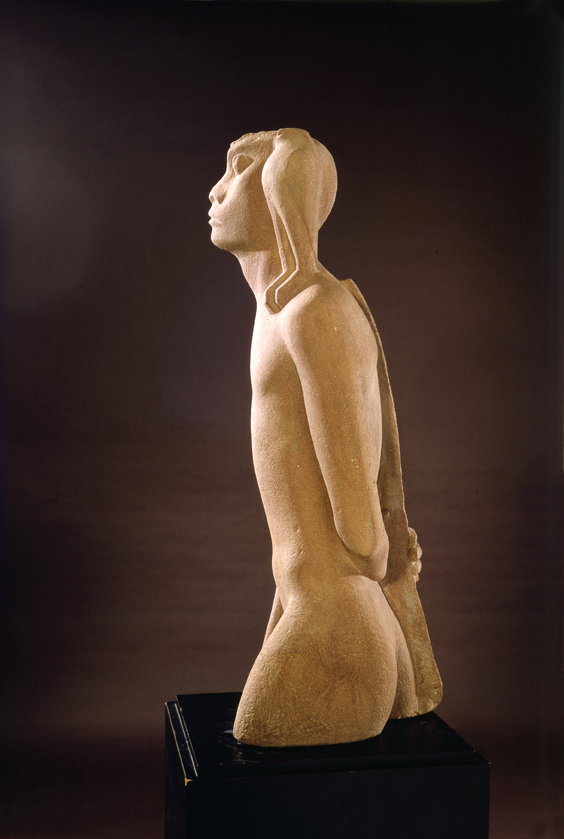
In describing Noah’s descendants, the Torah pauses over Nimrod, devoting five verses to him:
And Cush begot Nimrod; he began to be a mighty one in the earth. He was a mighty hunter before the LORD; wherefore it is said: ‘Like Nimrod a mighty hunter before the LORD.’ And the beginning of his kingdom was Babel, and Erech, and Accad, and Calneh, in the land of Shinar. Out of that land went forth Asshur, and builded Nineveh, and Rehoboth-ir, and Calah, and Resen between Nineveh and Calah–the same is the great city. (Genesis 10:8–12)
וְכוּשׁ יָלַד אֶת נִמְרֹד, הוּא הֵחֵל לִהְיוֹת גִּבֹּר בָּאָרֶץ. הוּא הָיָה גִבֹּר צַיִד לִפְנֵי ה', עַל כֵּן יֵאָמַר: כְּנִמְרֹד, גִּבּוֹר צַיִד לִפְנֵי ה'. וַתְּהִי רֵאשִׁית מַמְלַכְתּוֹ: בָּבֶל וְאֶרֶךְ וְאַכַּד וְכַלְנֵה, בְּאֶרֶץ שִׁנְעָר. מִן הָאָרֶץ הַהִוא יָצָא אַשּׁוּר, וַיִּבֶן אֶת נִינְוֵה וְאֶת רְחֹבֹת עִיר וְאֶת כָּלַח. וְאֶת רֶסֶן בֵּין נִינְוֵה וּבֵין כָּלַח הִוא הָעִיר הַגְּדֹלָה. (בראשית י', ח-יב)
The Sages viewed Nimrod negatively. They expounded that he conceived the tower of Babel to rebel against the LORD, and later commanded that Abraham be thrown into the fiery furnace (Genesis Rabbah 38:11). On the plain sense, however, as Rabbi Joseph Bekhor Shor and Radak explained, the Torah depicts Nimrod positively. He is humanity’s first hero, whose extraordinary hunting feats stand out and impress the LORD so strongly that he becomes the example of the ultimate hero.
We may conjecture that his name’s meaning chiefly prompted the Sages’ negative view: Nimrod (נמרוד) suggests “let us rebel.” On the plain level, however, it is unclear whether the name has a meaningful Hebrew sense. It may belong to someone whose name was transliterated into Hebrew as Nimrod, although discoveries from that period have yielded no known person bearing it.
Moreover, even if the Torah associates this mythological hero with a call to rebellion, the twice-repeated description “a mighty hunter before the LORD” has a positive, sympathetic tone. Any rebellion implied would thus be that of a hero challenging conventions, struggling, and standing his ground, rather than necessarily rebelling against God, and would warrant a positive attitude.
By way of homiletical interpretation, even if the Torah attributes rebellion concerning God to Nimrod, he may still be perceived positively.
In Yom Kippur’s Ne’ilah prayer we say: “You distinguished humanity from the outset, and recognized it as standing before You.” Of all creatures, humans alone are conscious of standing before the LORD. Yet this standing means more than acknowledging the LORD and human insignificance. It includes recognizing a right to take a stand that can sometimes oppose and even rebel.
Such standing before the LORD may be improper. But when a person stands before Him and recognizes and knows his place, it is legitimate and even desirable. Abraham, for example, after standing before the LORD (Genesis 18:22) and knowing his place, could demand without equivocation: “shall not the Judge of all the earth do justly?” (Genesis 18:25). Nimrod, too, can bear such a name and still be viewed positively, because Scripture places his heroism and rebellion “before the LORD” (Genesis 10:9).
