Va’ethannan contains some of the most famous declarations of divine unity:
HEAR, O ISRAEL: THE LORD OUR GOD, THE LORD IS ONE. (Deuteronomy 6:4)
Unto thee it was shown, that thou mightiest know that the LORD, He is God; there is none else beside Him. (Deuteronomy 4:35)שְׁמַע יִשְׂרָאֵל, ה' אֱלֹהֵינוּ, ה' אֶחָד. (דברים ו', ד)
אַתָּה הָרְאֵתָ לָדַעַת, כִּי ה' הוּא הָאֱלֹהִים, אֵין עוֹד מִלְּבַדּוֹ. (דברים ד', לה)
Later biblical writings, especially Isaiah, disparage the nations’ gods as unreal, lifeless, useless, human-made statues with no substance behind them. In chapter 44, for example, the prophet mocks people who burn half a piece of wood to warm themselves or cook, then turn the remainder into a god:
And none considereth in his heart, Neither is there knowledge nor understanding to say: ‘I have burned the half of it in the fire; Yea, also I have baked bread upon the coals thereof; I have roasted flesh and eaten it; And shall I make the residue thereof an abomination? Shall I fall down to the stock of a tree?’ (Isaiah 44:19)
וְלֹא יָשִׁיב אֶל לִבּוֹ, וְלֹא דַעַת וְלֹא תְבוּנָה לֵאמֹר: חֶצְיוֹ שָׂרַפְתִּי בְמוֹ אֵשׁ, וְאַף אָפִיתִי עַל גֶּחָלָיו לֶחֶם, אֶצְלֶה בָשָׂר וְאֹכֵל – וְיִתְרוֹ, לְתוֹעֵבָה אֶעֱשֶׂה, לְבוּל עֵץ אֶסְגּוֹד. (פסוק י"ט)
Isaiah goes beyond mockery, explicitly declaring the LORD the only God: “Before Me there was no God formed, Neither shall any be after Me” (43:10), and rejecting even comparison: “To whom then will ye liken Me, that I should be equal? Saith the Holy One.” (40:25).
These verses agree with Maimonides’ principles of faith, denying other divine powers and emphasizing that only one God, the LORD, exists. Hence the tendency to read our portion’s unity declarations similarly. Their context, however, reveals a different understanding.
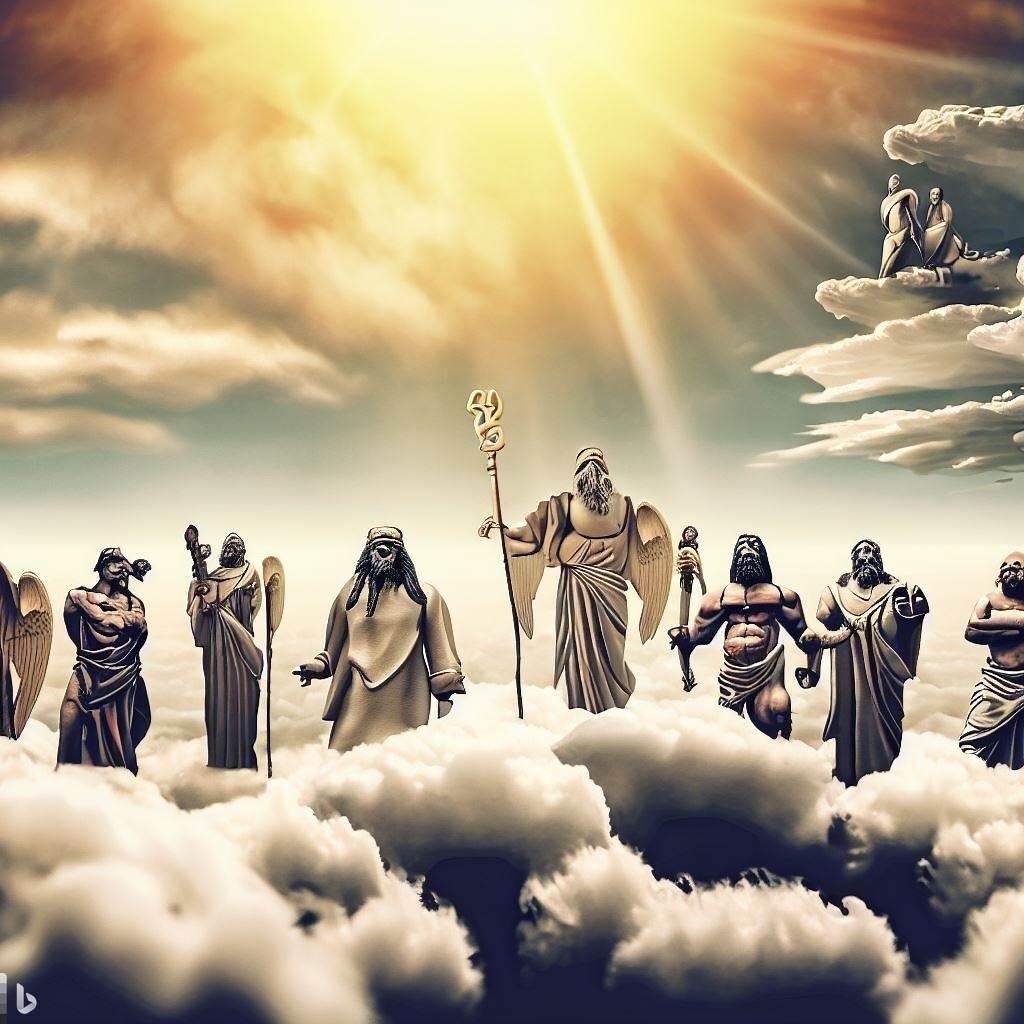
Unlike Isaiah, the Torah does not declare other gods nonexistent or useless. On the contrary, several passages compare them to the LORD and implicitly recognize their powers, even if limited.
This emerges from Moses’ words at Va’ethannan’s beginning: “for what god is there in heaven or on earth, that can do according to Thy works, and according to Thy mighty acts?” (Deuteronomy 3:24). His words imply other gods weaker than the LORD. If they did not exist, praising His superiority over them would have no place. Likewise, the Song at the Sea’s “Who is like unto Thee, O LORD, among the mighty?” (Exodus 15:11) exalts Him in relation to the other gods.
The Ten Commandments likewise presuppose other gods but prohibit Israel from serving them: “Thou shalt have no other gods before Me” (Exodus 20:3). This is because the LORD is “a jealous God” (Exodus 20:5) demanding exclusivity from His people, rather than because those gods do not exist.
Va’ethannan describes gods assigned by the LORD to all nations, which Israel may not worship:
And lest thou lift up thine eyes unto heaven, and when thou seest … all the host of heaven, thou be drawn away and worship them … which the LORD thy God hath allotted unto all the peoples. (Deuteronomy 4:19)
וּפֶן תִּשָּׂא עֵינֶיךָ הַשָּׁמַיְמָה וְרָאִיתָ ... כֹּל צְבָא הַשָּׁמַיִם, וְנִדַּחְתָּ וְהִשְׁתַּחֲוִיתָ לָהֶם ... אֲשֶׁר חָלַק ה' אֱלֹהֶיךָ אֹתָם לְכֹל הָעַמִּים. (דברים ד', יט)
Nitzavim describes Israel’s sin as serving gods not intended for them:
and went and served other gods, and worshipped them, gods that they knew not, and that He had not allotted unto them; (Deuteronomy 29:25)
וַיֵּלְכוּ וַיַּעַבְדוּ אֱלֹהִים אֲחֵרִים וַיִּשְׁתַּחֲוּוּ לָהֶם – אֱלֹהִים אֲשֶׁר לֹא יְדָעוּם וְלֹא חָלַק לָהֶם. (דברים כ"ט, כה)
The LORD thus appears as the supreme God heading all others, as Abram told Sodom’s king:
I have lifted up my hand unto the LORD, God Most High. (Genesis 14:22)
הֲרִימֹתִי יָדִי אֶל ה' אֵל עֶלְיוֹן. (בראשית י"ד, כב)
Similarly, Psalms says:
For Thou, LORD, art most high above all the earth; Thou art exalted far above all gods. (Psalms 97:9)
כִּי אַתָּה ה' עֶלְיוֹן עַל כָּל הָאָרֶץ – מְאֹד נַעֲלֵיתָ עַל כָּל אֱלֹהִים. (תהילים צ"ז, ט)
Let us return to our portion’s declarations of unity.
“Unto thee it was shown, that thou mightest know that the LORD, He is God; there is none else beside Him” could be read as monotheistic, were it not for its context: it concludes the preceding rhetorical question:
Or hath God assayed to go and take Him a nation from the midst of another nation, by trials, by signs, and by wonders, and by war, and by a mighty hand, and by an outstretched arm, and by great terrors, according to all that the LORD your God did for you in Egypt before thine eyes? (Deuteronomy 4:34)
הֲנִסָּה אֱלֹהִים לָבוֹא לָקַחַת לוֹ גוֹי מִקֶּרֶב גּוֹי, בְּמַסֹּת בְּאֹתֹת וּבְמוֹפְתִים וּבְמִלְחָמָה וּבְיָד חֲזָקָה וּבִזְרוֹעַ נְטוּיָה וּבְמוֹרָאִים גְּדֹלִים, כְּכֹל אֲשֶׁר עָשָׂה לָכֶם ה' אֱלֹהֵיכֶם בְּמִצְרַיִם לְעֵינֶיךָ? (דברים ד', לד)
Other gods have never performed such great deeds, so the conclusion is “the LORD, He is God,” with the definite article in Hebrew: the greatest and strongest of them. As Jethro told Moses, “Now I know that the LORD is greater than all gods” (Exodus 18:11). Accordingly, “there is none else beside Him” means none else equals Him.
Likewise, “one” in “Hear, O Israel: the LORD our God, the LORD is one” might be interpreted as denying other gods. In light of the Torah’s many recognitions of them, however, it should mean He is one in the sense of having no equal, or a jealous God unwilling to let Israel worship others alongside Him.
Interestingly, the difference between the Torah’s plain meaning and that of Isaiah’s later prophecies appears in Maimonides’ and Nahmanides’ conceptions of “other gods.”
Nahmanides, whose approach reflects kabbalistic elements, explains them as real spiritual powers, angels or “princes” governing the world’s nations. They receive power from the LORD and are appointed by Him. He writes:
The matter is this: the glorious Name created everything … and appointed over each and every people … a particular star and constellation … This is what is said: “which the LORD thy God hath allotted unto all the peoples” (Deuteronomy 4:19), for He allotted them all heavenly constellations, and above these the angels of the Most High, whom He made their princes … The glorious Name is the God of gods and Lord of lords of the whole world. But the Land of Israel … is the LORD’s inheritance, dedicated to His name; He appointed no angel as officer, overseer, or ruler over it when giving it to His people, who declare His name unique … This is what it says: “ye shall be Mine own treasure from among all peoples; for all the earth is Mine” (Exodus 19:5), and “so shall ye be My people, and I will be your God” (Jeremiah 11:4), so that you shall not belong to the other gods at all. (Leviticus 18:24–25)
והענין: כי השם הנכבד ברא הכל ... ונתן על כל עם ועם ... כוכב ומזל ידוע ... וזהו שנאמר: אשר חלק ה' אלהיך אותם לכל העמים (דברים ד', יט) – כי חלק לכולם מזלות בשמים, וגבוהים עליהם מלאכי עליון, נתנם להיותם שרים עליהן ... והשם הנכבד, הוא אלהי האלהים ואדוני האדנים לכל העולם. אבל ארץ ישראל ... היא נחלת ה' מיוחדת לשמו, לא נתן עליה מן המלאכים קצין שוטר ומושל, בהנחילו אותה לעמו, המיחד שמו ... וזהו שאמר: "והייתם לי סגולה מכל העמים כי לי כל הארץ" (שמות י"ט, ה), וכתיב: "והייתם לי לעם ואנכי אהיה לכם לאלהים" (ירמיהו י"א, ד) – לא שתהיו אתם אל האלהים האחרים כלל. (ויקרא י"ח, כד-כה)
Nahmanides’ understanding seems closer to the Torah’s plain meaning, while the rationalist Maimonides’ view – no additional divine entity exists and all “other gods” are imagination and vanity – is closer to Isaiah’s plain meaning.
