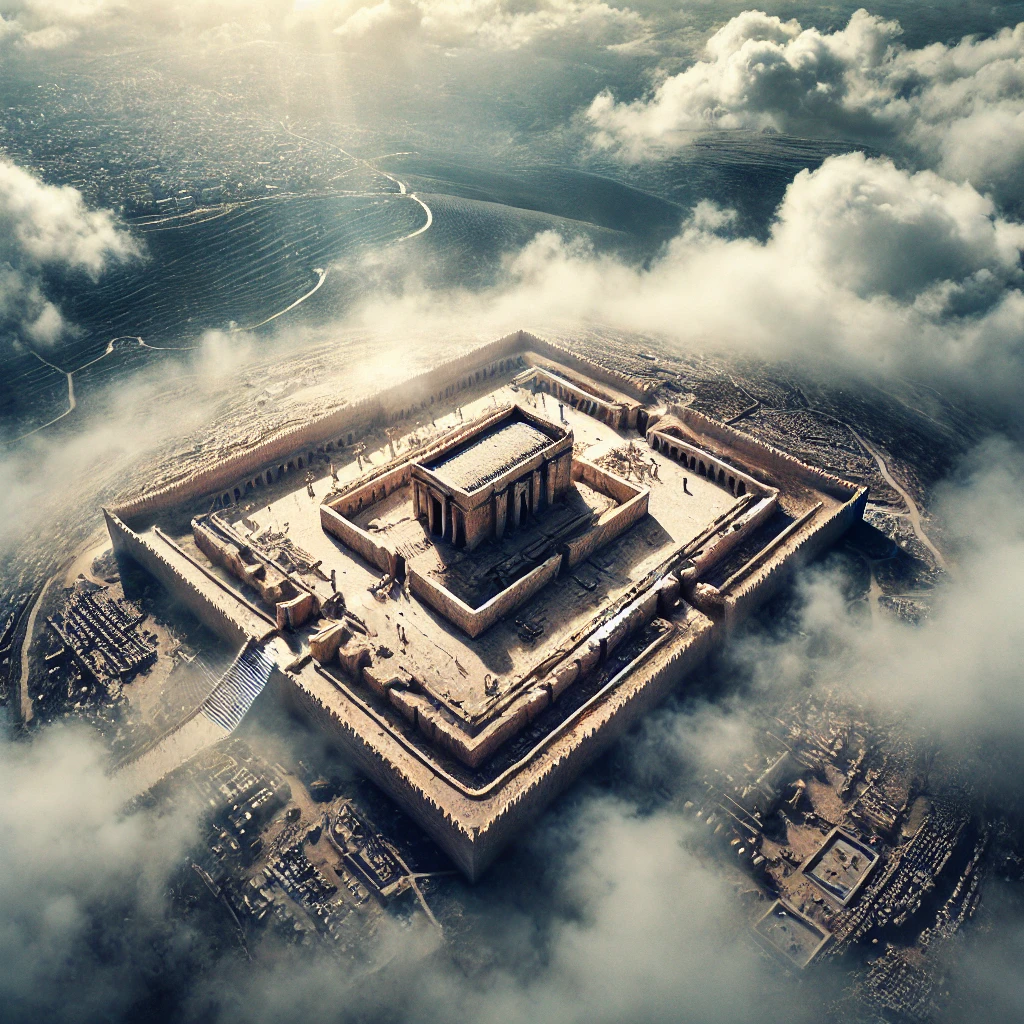
In Moses’ second speech, called the commandments or covenant speech, he discusses centralizing the LORD’s worship at length. In contrast to the norm before entering the land, he emphasizes that afterward worship must occur exclusively at one central place:
Ye shall not do so unto the LORD your God. But unto the place which the LORD your God shall choose out of all your tribes to put His name there, even unto His habitation shall ye seek, and thither thou shalt come; … Ye shall not do after all that we do here this day, every man whatsoever is right in his own eyes; for ye are not as yet come to the rest and to the inheritance, which the LORD your God giveth thee. (Deuteronomy 12:4–9)
לֹא תַעֲשׂוּן כֵּן לַה' אֱלֹהֵיכֶם. כִּי אִם אֶל הַמָּקוֹם אֲשֶׁר יִבְחַר ה' אֱלֹהֵיכֶם מִכָּל שִׁבְטֵיכֶם לָשׂוּם אֶת שְׁמוֹ שָׁם – לְשִׁכְנוֹ תִדְרְשׁוּ וּבָאתָ שָׁמָּה … לֹא תַעֲשׂוּן כְּכֹל אֲשֶׁר אֲנַחְנוּ עֹשִׂים פֹּה הַיּוֹם, אִישׁ כָּל הַיָּשָׁר בְּעֵינָיו. כִּי לֹא בָּאתֶם עַד עָתָּה אֶל הַמְּנוּחָה וְאֶל הַנַּחֲלָה, אֲשֶׁר ה' אֱלֹהֶיךָ נֹתֵן לָךְ. (דברים י"ב, ד-ט)
Centralizing worship is also a principal instrument for national unity and common identity. It strengthens belonging and helps form a united society connected with shared values and symbols.
“The place which the LORD shall choose” recurs frequently in Deuteronomy, especially the commandments speech. We tend to assume Moses meant Jerusalem, but he clearly avoids naming it.
Jerusalem already appears early in the Torah: in Melchizedek king of Salem’s encounter with Abraham after Lot’s rescue (Genesis 14:18–20), and in the binding of Isaac through “the land of Moriah” (Genesis 22), identified by Chronicles as Solomon’s Temple site (II Chronicles 3:1). Nevertheless, centuries passed before Jerusalem became the exclusive place of worship.
It became the sanctuary’s site only under Solomon, 480 years after the exodus (I Kings 6:1) and 440 after Moses’ speech before entering. Even then it was not the sole center. High places continued throughout Judah alongside Jerusalem, while Dan and Bethel served as centers of the LORD’s worship in neighboring Israel. Only after Samaria’s destruction and the ten tribes’ exile, some 235 years later, did Jerusalem in practice become the central, exclusive place.
The Torah thus apparently omitted the name because the choice had not yet occurred. “The place which the LORD shall choose” points to a process to become clear through history rather than a known site whose name was omitted. Moses establishes a principle of centralization, not a definite geographic destination. Only after national and religious reality changed could Jerusalem be identified as the place where this principle was realized.
