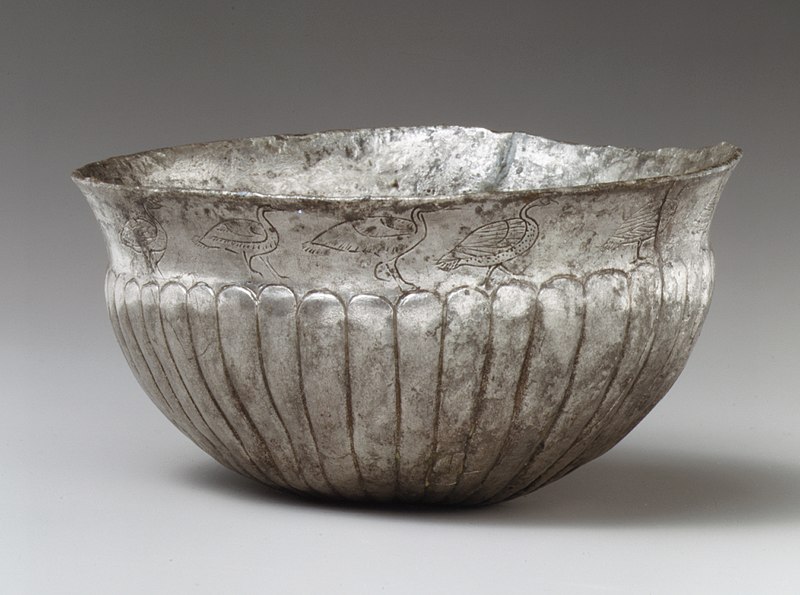
And the LORD said … each prince on his day … shall present their offering for the dedication of the altar. And he that presented his offering … and his offering was one silver dish, the weight thereof was a hundred and thirty shekels, one silver basin of seventy shekels, after the shekel of the sanctuary; both of them full of fine flour mingled with oil for a meal-offering; one golden pan of ten shekels, full of incense; one young bullock … one ram … one he-lamb … for a burnt-offering; one male of the goats … for a sin-offering; and for the sacrifice of peace-offerings … This was the offering … (Numbers 7:11–17)
וַיֹּאמֶר ה' … נָשִׂיא אֶחָד לַיּוֹם … יַקְרִיבוּ אֶת קָרְבָּנָם לַחֲנֻכַּת הַמִּזְבֵּחַ. וַיְהִי הַמַּקְרִיב … אֶת קָרְבָּנוֹ ... וְקָרְבָּנוֹ קַעֲרַת כֶּסֶף אַחַת – שְׁלֹשִׁים וּמֵאָה מִשְׁקָלָהּ, מִזְרָק אֶחָד כֶּסֶף – שִׁבְעִים שֶׁקֶל בְּשֶׁקֶל הַקֹּדֶשׁ, שְׁנֵיהֶם מְלֵאִים: סֹלֶת בְּלוּלָה בַשֶּׁמֶן לְמִנְחָה. כַּף אַחַת עֲשָׂרָה זָהָב – מְלֵאָה קְטֹרֶת. פַּר … אַיִל … כֶּבֶשׂ … לְעֹלָה. שְׂעִיר עִזִּים … לְחַטָּאת. וּלְזֶבַח הַשְּׁלָמִים … זֶה קָרְבַּן … (במדבר ז', יא-יז)
When the Torah describes bringing an offering, it generally begins with the sacrificial animal and continues with its accompanying meal-offering; the vessels holding the meal-offering are not mentioned at all. With the princes’ offerings in Naso, however, the order is reversed: the Torah begins with the vessels, mentions the flour for the meal-offering afterward, and the animals only at the end. Why?
The princes’ offerings fell into two categories: an offering marking the completion of the Tabernacle, brought before the Tabernacle (Numbers 7:3), and an offering for the altar’s dedication, brought before the altar (Numbers 7:10). In both cases, they were not offerings in the ordinary sense of animals placed on the altar, but donations of considerable monetary value for the Tabernacle’s maintenance.
This is clear in the offering marking completion of the Tabernacle. Although the Torah uses “offered” and “their offering,” the cattle were intended to pull the wagons, not to be sacrificed on the altar:
the princes of Israel offered … and they brought their offering before the LORD, six covered wagons, and twelve oxen: a wagon for every two of the princes, and for each one an ox; and they presented them before the tabernacle. And the LORD said … ’Take it of them, that they may be to do the service of the tent of meeting. (Numbers 7:2–5)
וַיַּקְרִיבוּ נְשִׂיאֵי יִשְׂרָאֵל ... וַיָּבִיאוּ אֶת קָרְבָּנָם לִפְנֵי ה': שֵׁשׁ עֶגְלֹת צָב, וּשְׁנֵי עָשָׂר בָּקָר, עֲגָלָה – עַל שְׁנֵי הַנְּשִׂאִים, וְשׁוֹר לְאֶחָד. וַיַּקְרִיבוּ אוֹתָם לִפְנֵי הַמִּשְׁכָּן. וַיֹּאמֶר ה': ... קַח מֵאִתָּם – וְהָיוּ לַעֲבֹד אֶת עֲבֹדַת אֹהֶל מוֹעֵד. (במדבר ז', ב-ה)
In the offering for the altar’s dedication as well, the animals brought as burnt, sin, and peace offerings are not the focus. The principal donation consisted of the vessels themselves – silver dishes, basins, golden pans, and incense – brought to the Tabernacle treasury, which is why the Torah begins with them.
Unlike the cattle accompanying the wagons, the animals brought for the altar’s dedication were indeed sacrificed on it. But this was not the heart of the offering. Sacrificing them formed part of the ceremonial framework, since an altar is dedicated through offerings placed upon it. The princes adapted their gift to this framework, bringing their costly donation to the Tabernacle treasury as receptacles for sacrificial needs rather than on their own.
The Torah calls the entire collection the princes brought an offering, but its order teaches that their chief offering was their costly contribution to maintaining the Tabernacle, rather than the animals sacrificed at its dedication.
