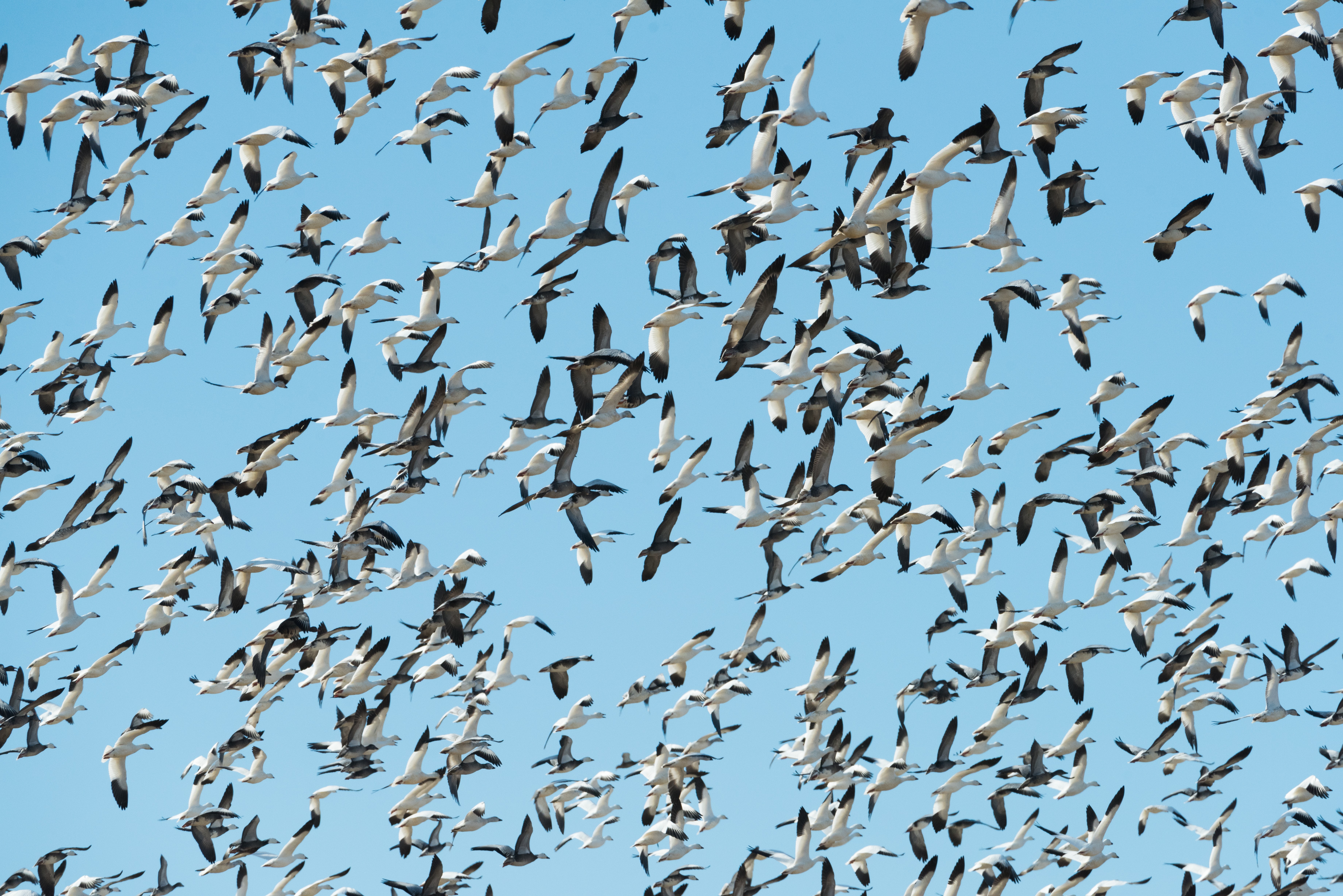
Resh Lakish said: The raven gave Noah an irrefutable answer. It said: Your Master hates me, and you hate me. Your Master hates me: “Of every clean beast thou shalt take to thee seven and seven” (Genesis 7:2). And you hate me: you left a species numbering seven and sent one numbering two. Were the prince of heat or the prince of cold to strike me, would the world not lack one creature? (Yalkut Shimoni)
אמר ריש לקיש: תשובה ניצחת השיבהו עורב לנח, אמר לו: רבך שנאני ואתה שנאתני. רבך שנאני, "כֹּל הַבְּהֵמָה הַטְּהוֹרָה תִּקַּח לְךָ שִׁבְעָה שִׁבְעָה" (בראשית ז', ב); ואתה שנאתני: הנחת מין שבעה ושגרת מין שניים; אלמלי פוגע בי שר חמה או שר צינה, לא נמצא העולם חסר בריה אחת? (ילקוט שמעוני)
The midrash describes the raven’s complaint to Noah for choosing it, rather than a bird of a clean species, to inspect the water outside the ark. Its argument assumes that clean bird species were brought into the ark seven and seven, while unclean birds came only in single pairs, making sending the raven especially dangerous.
Yet the verses show that, unlike animals, for which Scripture distinguishes clean ones, to be brought in sevens, from unclean ones, to be brought in twos, no such distinction appears for the birds of the air. It says: “of the fowl also of the air, seven and seven, male and female; to keep seed alive upon the face of all the earth” (Genesis 7:3), rather than “of the clean fowl also, seven and seven.”
Moreover, “fowl of the air” seems to refer chiefly to high-flying wild birds, rather than farm birds or other clean birds that fly low. For example, we never find “dove” or “turtledove” beside “heaven,” as in “The way of an eagle in the air” (Proverbs 30:19), or “Yea, the stork in the heaven Knoweth her appointed times” (Jeremiah 8:7). Thus when the verse requires bringing birds of the air seven and seven without specifying clean birds, we should understand all types of birds.
Presumably seven pairs of clean animals were needed to permit sacrifices after the flood. Indeed, on leaving the ark Noah offered “of every clean beast, and of every clean fowl” (Genesis 8:20). Why, then, was he commanded to bring seven pairs of birds of the air without distinguishing clean from unclean?
The creation story (Genesis 1) reveals a developmental order also reflecting a hierarchy of complexity: plants first, then aquatic creatures, birds, and finally land animals. The biologically simpler a creature, the faster it reproduces, the more offspring it produces in each cycle, and the fewer resources it requires – making it more common. Accordingly, the world has more plants than fish, more fish than birds, and more birds than land animals.
Perhaps bringing birds of the air seven and seven was intended to preserve or express the balance between forms of life, so that their number in the ark reflected their place in creation’s hierarchy and their relative abundance compared with land animals.
Beyond the ecological explanation for land animals’ smaller numbers, creation’s plan itself seems to have intended their population to be comparatively limited.
Looking at creation’s “be fruitful and multiply” blessing, we find it given to fish, birds, and humans, but not land animals:
Be fruitful, and multiply, and fill the waters in the seas, and let fowl multiply in the earth. … Be fruitful, and multiply, and replenish the earth, and subdue it. (Genesis 1:22, 28)
פְּרוּ וּרְבוּ וּמִלְאוּ אֶת הַמַּיִם – בַּיַּמִּים, וְהָעוֹף יִרֶב – בָּאָרֶץ. (בראשית א', כב)
פְּרוּ וּרְבוּ, וּמִלְאוּ אֶת הָאָרֶץ, וְכִבְשֻׁהָ. (שם, כח)
The reason may be a conflict between the divine command to humanity, “Be fruitful, and multiply, and replenish the earth, and subdue it,” and wild animals’ proliferation. Wild animals threaten humanity and hinder its spread throughout the world.
Fear of wild animals’ multiplication also explains the anticipated slow pace of conquering the land: “And the LORD thy God will cast out those nations before thee by little and little; thou mayest not consume them quickly, lest the beasts of the field increase upon thee” (Deuteronomy 7:22).
Fish and birds, by contrast, do not compete with humanity for dominion over the world: fish live in the sea rather than on land, and birds’ habitat is in the sky rather than on the ground.
Perhaps, then, the command to bring birds of the air seven and seven, compared with just one pair of land animals, expresses a biblical understanding of the importance of maintaining balance between forms of life, according to their place in space, role in existence’s fabric, and relationship to humanity.
