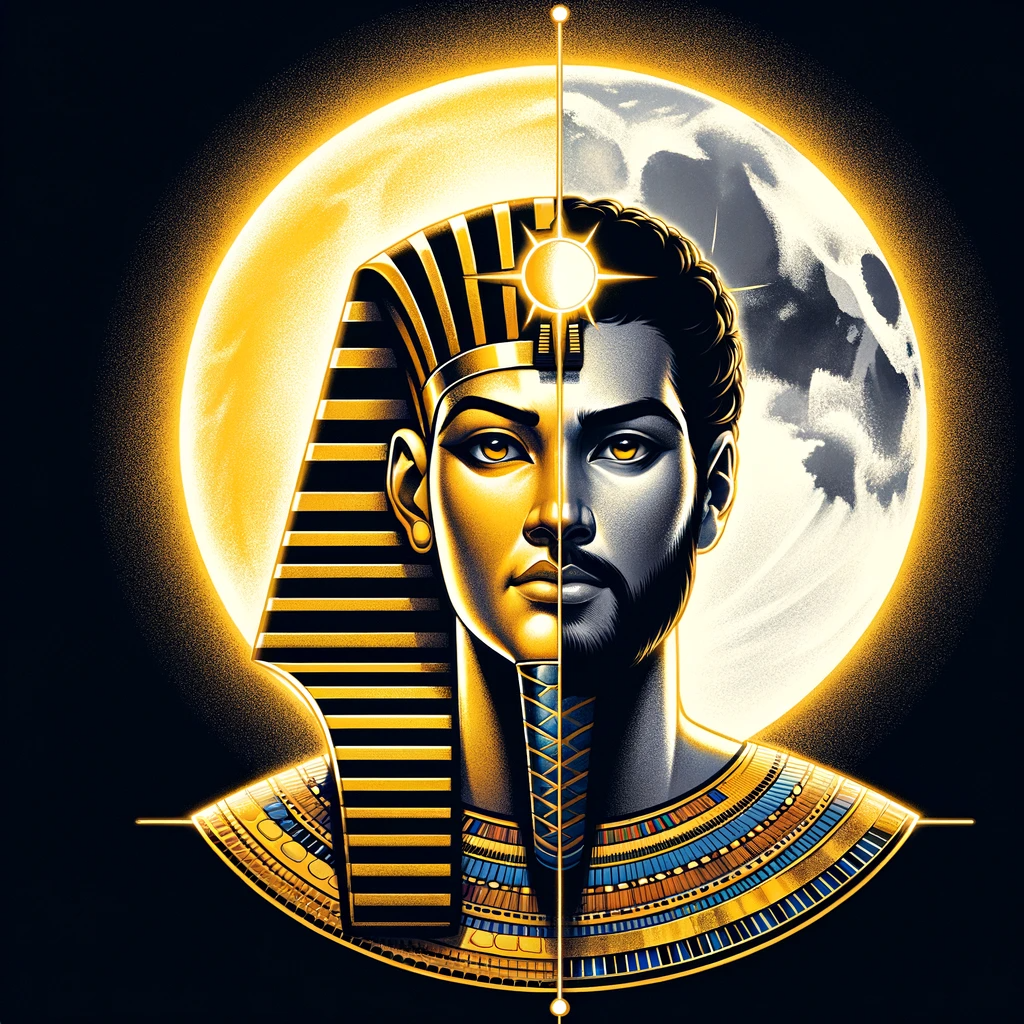
And he dreamed yet another dream, and told it to his brethren, and said: ‘Behold, I have dreamed yet a dream: and, behold, the sun and the moon and eleven stars bowed down to me.’ And he told it to his father, and to his brethren; and his father rebuked him, and said unto him: ‘What is this dream that thou hast dreamed? Shall I and thy mother and thy brethren indeed come to bow down to thee to the earth?’ And his brethren envied him; but his father kept the saying in mind. . (Genesis 37:9–11)
וַיַּחֲלֹם עוֹד חֲלוֹם אַחֵר וַיְסַפֵּר אֹתוֹ לְאֶחָיו, וַיֹּאמֶר: הִנֵּה חָלַמְתִּי חֲלוֹם עוֹד וְהִנֵּה הַשֶּׁמֶשׁ וְהַיָּרֵחַ וְאַחַד עָשָׂר כּוֹכָבִים מִשְׁתַּחֲוִים לִי. וַיְסַפֵּר אֶל אָבִיו וְאֶל אֶחָיו, וַיִּגְעַר בּוֹ אָבִיו וַיֹּאמֶר לוֹ: מָה הַחֲלוֹם הַזֶּה אֲשֶׁר חָלָמְתָּ? הֲבוֹא נָבוֹא אֲנִי וְאִמְּךָ וְאַחֶיךָ לְהִשְׁתַּחֲוֹת לְךָ אָרְצָה?! וַיְקַנְאוּ בוֹ אֶחָיו – וְאָבִיו, שָׁמַר אֶת הַדָּבָר. (בראשית ל"ז, ט-יא)
Joseph’s second dream describes sun, moon, and eleven stars bowing to him. Jacob takes these as himself, Rachel, and Joseph’s brothers, and rebukes him. Yet the parents never bow to Joseph: Rachel was dead when he became Egypt’s viceroy. Jacob bows near death, “And Israel bowed down upon the bed’s head” (Genesis 47:31), but as a gesture of thanks to Joseph or the LORD, rather than a subject’s or slave’s homage to a king as the brothers offered. Either way Jacob does not bow as they do.
Following the Sages, some say no dream lacks meaningless details, explaining why only the brothers bowed. Yet this is difficult in Joseph’s narratives: every detail in Pharaoh’s officials’ and Pharaoh’s dreams is precise and significant. Presumably the sun and moon in Joseph’s dreams are likewise meaningful symbols, even if Jacob’s interpretation later proved mistaken.
Ra, the sun god, was ancient Egypt’s central god, regarded as creator and source of power and order from whom the ruler drew authority. Pharaoh was sometimes called “son of Ra” and represented him on earth. The sun, “the greater light,” may accordingly symbolize Egypt’s kingdom and Pharaoh. The moon, “the lesser light,” may represent Joseph himself in high authority as viceroy. Both thus hint at Joseph’s impending rise.
Like the Nile and reed-grass in Pharaoh’s dreams, sun and moon frame the story’s context. Joseph’s words should be understood as biblical concision: he names participants, sun, moon, and stars, while “bowed down to me” applies only to the last, representing his brothers.
This matches the first dream, where only the brothers’ sheaves bow, with no additional figures corresponding to bowing sun and moon.
It is thus the same idea repeated, like Pharaoh’s doubled dreams: “because the thing is established by God, and God will shortly bring it to pass” (Genesis 41:32). The meaning is that Joseph’s brothers will bow when he rises to become Pharaoh’s deputy.
