lest there should be among you man, or woman, or family, or tribe, whose heart turneth away this day from the LORD our God, to go to serve the gods of those nations; lest there should be among you a root that beareth gall and wormwood; and it come to pass, when he heareth the words of this curse, that he bless himself in his heart, saying: ‘I shall have peace, though I walk in the stubbornness of my heart–that the watered be swept away with the dry’; (Deuteronomy 29:17–18)
פֶּן יֵשׁ בָּכֶם אִישׁ אוֹ אִשָּׁה אוֹ מִשְׁפָּחָה אוֹ שֵׁבֶט, אֲשֶׁר לְבָבוֹ פֹנֶה הַיּוֹם מֵעִם ה' אֱלֹהֵינוּ, לָלֶכֶת לַעֲבֹד אֶת אֱלֹהֵי הַגּוֹיִם הָהֵם. פֶּן יֵשׁ בָּכֶם שֹׁרֶשׁ פֹּרֶה רֹאשׁ וְלַעֲנָה. וְהָיָה בְּשָׁמְעוֹ אֶת דִּבְרֵי הָאָלָה הַזֹּאת, וְהִתְבָּרֵךְ בִּלְבָבוֹ לֵאמֹר: שָׁלוֹם יִהְיֶה לִּי, כִּי בִּשְׁרִרוּת לִבִּי אֵלֵךְ – לְמַעַן סְפוֹת הָרָוָה אֶת הַצְּמֵאָה. (דברים כ"ט, יז-יח)
What does “to add the watered to the thirsty” mean?
Ravah literally means water-saturated land, as in “and thou shalt be like a watered garden, And like a spring of water, whose waters fail not” (Isaiah 58:11). Tzeme’ah means land thirsting for water: “For I will pour water upon the thirsty land, And streams upon the dry ground” (Isaiah 44:3). Its connection to the matter remains unclear.
Lemaʿan can explain the sinner’s purpose, but can also ironically describe a not necessarily desirable consequence: “Do they provoke Me? saith the LORD; do they not provoke themselves, to the confusion of their own faces?” (Jeremiah 7:19).
What of sefot? It can resemble “Wilt Thou indeed sweep away the righteous with the wicked?” (Genesis 18:23), making the wicked person’s actions cause the righteous, the watered, to perish with the wicked, the thirsty.
The Septuagint suggests this: “lest the sinner destroy the innocent along with himself” (translated back from Greek into Hebrew). The New English Bible similarly renders:
When such a person hears the words of this oath he secretly blesses himself and says, ‘I will have peace though I continue to walk with a stubborn spirit’. This will destroy the watered ground with the parched. (Deuteronomy 29:19, New English Bible)
This does not agree with the following passage. Contrary to the translations’ destruction of innocents with the sinner, the Torah appears to say precisely the reverse in this special case: only the sinner suffers.
the LORD will not be willing to pardon him, but then the anger of the LORD and His jealousy shall be kindled against that man, and all the curse that is written in this book shall lie upon him, and the LORD shall blot out his name from under heaven; and the LORD shall separate him unto evil out of all the tribes of Israel, according to all the curses of the covenant that is written in this book of the law. (Deuteronomy 29:19–20)
לֹא יֹאבֶה ה' סְלֹחַ לוֹ. כִּי אָז יֶעְשַׁן אַף ה' וְקִנְאָתוֹ בָּאִישׁ הַהוּא, וְרָבְצָה בּוֹ כָּל הָאָלָה הַכְּתוּבָה בַּסֵּפֶר הַזֶּה, וּמָחָה ה' אֶת שְׁמוֹ מִתַּחַת הַשָּׁמָיִם. וְהִבְדִּילוֹ ה' לְרָעָה מִכֹּל שִׁבְטֵי יִשְׂרָאֵל, כְּכֹל אָלוֹת הַבְּרִית, הַכְּתוּבָה בְּסֵפֶר הַתּוֹרָה הַזֶּה. (פסוקים י"ט-כ')
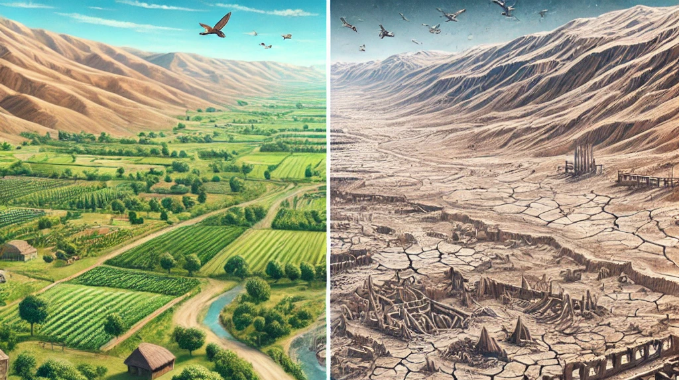
Sefot should therefore apparently be understood as an infinitive from y–s–f, adding. The sinner’s deeds cause the watered land to be added to the thirsty land, becoming thirsty like it.
The following verses explain:
And the generation to come, your children that shall rise up after you, and the foreigner that shall come from a far land, shall say, when they see the plagues of that land, and the sicknesses wherewith the LORD hath made it sick; and that the whole land thereof is brimstone, and salt, and a burning, that it is not sown, nor beareth, nor any grass groweth therein, like the overthrow of Sodom and Gomorrah, Admah and Zeboiim, which the LORD overthrew in His anger, and in His wrath; (Deuteronomy 29:21–22)
וְאָמַר הַדּוֹר הָאַחֲרוֹן – בְּנֵיכֶם אֲשֶׁר יָקוּמוּ מֵאַחֲרֵיכֶם, וְהַנָּכְרִי אֲשֶׁר יָבֹא מֵאֶרֶץ רְחוֹקָה. וְרָאוּ אֶת מַכּוֹת הָאָרֶץ הַהִוא וְאֶת תַּחֲלֻאֶיהָ, אֲשֶׁר חִלָּה ה' בָּהּ: גָּפְרִית וָמֶלַח שְׂרֵפָה כָל אַרְצָהּ, לֹא תִזָּרַע וְלֹא תַצְמִחַ וְלֹא יַעֲלֶה בָהּ כָּל עֵשֶׂב – כְּמַהְפֵּכַת סְדֹם וַעֲמֹרָה אַדְמָה וּצְבוֹיִם, אֲשֶׁר הָפַךְ ה' בְּאַפּוֹ וּבַחֲמָתוֹ. (פסוקים כ"א-כ"ב)
The Torah describes that rebellious tribe’s land becoming one “that it is not sown, nor beareth, nor any grass groweth therein”: thirsty, waterless land with Sodom’s fate. Lot chose Sodom because the Jordan plain was watered before its destruction:
And Lot lifted up his eyes, and beheld all the plain of the Jordan, that it was well watered every where, before the LORD destroyed Sodom and Gomorrah, like the garden of the LORD, like the land of Egypt, as thou goest unto Zoar. (Genesis 13:10)
וַיִּשָּׂא לוֹט אֶת עֵינָיו, וַיַּרְא אֶת כָּל כִּכַּר הַיַּרְדֵּן – כִּי כֻלָּהּ מַשְׁקֶה, לִפְנֵי שַׁחֵת ה' אֶת סְדֹם וְאֶת עֲמֹרָה, כְּגַן ה' כְּאֶרֶץ מִצְרַיִם, בֹּאֲכָה צֹעַר. (בראשית י"ג, י)
The sinner inwardly blesses himself and imagines continuing peacefully, but this is a dangerous illusion leading to disaster. Like Sodom, formerly the LORD’s garden and then desolate, his land becomes arid instead of well-watered, and he alone bears his deeds’ consequences.
