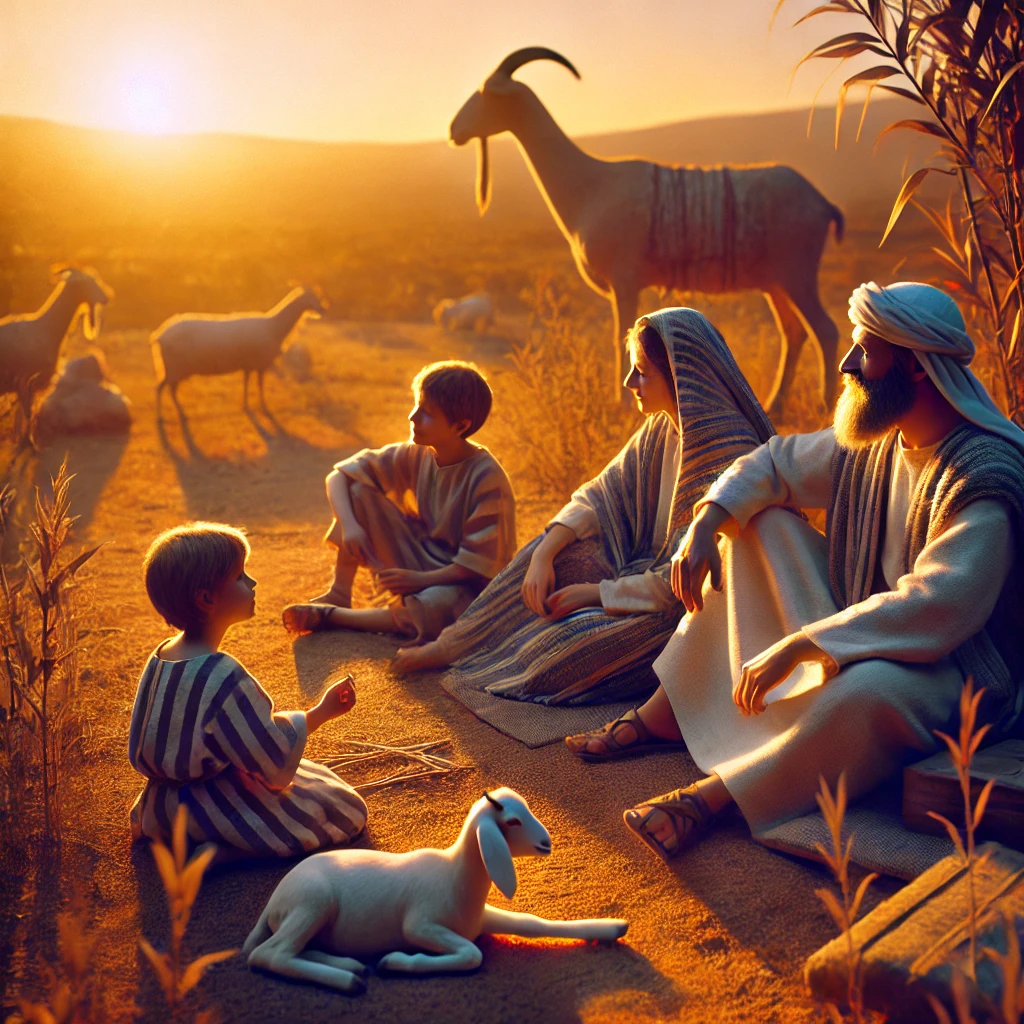
One major difference between Exodus’ and Deuteronomy’s Ten Commandments concerns the Sabbath. In Exodus it commemorates creation:
in it thou shalt not do any manner of work, thou, nor thy son, nor thy daughter, nor thy man-servant, nor thy maid-servant, nor thy cattle, nor thy stranger that is within thy gates; for in six days the LORD made heaven and earth, the sea, and all that in them is, and rested on the seventh day; wherefore the LORD blessed the sabbath day, and hallowed it. (Exodus 20:10–11)
לֹא תַעֲשֶׂה כָל מְלָאכָה: אַתָּה וּבִנְךָ וּבִתֶּךָ, עַבְדְּךָ וַאֲמָתְךָ, וּבְהֶמְתֶּךָ, וְגֵרְךָ אֲשֶׁר בִּשְׁעָרֶיךָ. כִּי שֵׁשֶׁת יָמִים עָשָׂה ה' אֶת הַשָּׁמַיִם וְאֶת הָאָרֶץ אֶת הַיָּם וְאֶת כָּל אֲשֶׁר בָּם, וַיָּנַח בַּיּוֹם הַשְּׁבִיעִי – עַל כֵּן בֵּרַךְ ה' אֶת יוֹם הַשַּׁבָּת וַיְקַדְּשֵׁהוּ. (שמות כ׳, י–יא)
In Deuteronomy, the rationale is social:
in it thou shalt not do any manner of work, thou, nor thy son, nor thy daughter, nor thy man-servant, nor thy maid-servant, nor thine ox, nor thine ass, nor any of thy cattle, nor thy stranger that is within thy gates; that thy man-servant and thy maid-servant may rest as well as thou. And thou shalt remember that thou was a servant in the land of Egypt, and the LORD thy God brought thee out thence by a mighty hand and by an outstretched arm; therefore the LORD thy God commanded thee to keep the sabbath day. (Deuteronomy 5:14–15)
לֹא תַעֲשֶׂה כָל מְלָאכָה: אַתָּה וּבִנְךָ וּבִתֶּךָ, וְעַבְדְּךָ וַאֲמָתֶךָ, וְשׁוֹרְךָ וַחֲמֹרְךָ וְכָל בְּהֶמְתֶּךָ, וְגֵרְךָ אֲשֶׁר בִּשְׁעָרֶיךָ – לְמַעַן יָנוּחַ עַבְדְּךָ וַאֲמָתְךָ, כָּמוֹךָ. וְזָכַרְתָּ, כִּי עֶבֶד הָיִיתָ בְּאֶרֶץ מִצְרַיִם, וַיֹּצִאֲךָ ה' אֱלֹהֶיךָ מִשָּׁם בְּיָד חֲזָקָה וּבִזְרֹעַ נְטוּיָה – עַל כֵּן צִוְּךָ ה' אֱלֹהֶיךָ לַעֲשׂוֹת אֶת יוֹם הַשַּׁבָּת. (דברים ה׳, יד–טו)
Deuteronomy seeks to guarantee the slaves’ rest rather than focusing on the master and family, who can care for themselves. This idea already appears in Exodus’ Mishpatim, immediately following the Ten Commandments:
Six days thou shalt do thy work, but on the seventh day thou shalt rest; that thine ox and thine ass may have rest, and the son of thy handmaid, and the stranger, may be refreshed. (Exodus 23:12)
שֵׁשֶׁת יָמִים תַּעֲשֶׂה מַעֲשֶׂיךָ – וּבַיּוֹם הַשְּׁבִיעִי תִּשְׁבֹּת: לְמַעַן יָנוּחַ שׁוֹרְךָ וַחֲמֹרֶךָ, וְיִנָּפֵשׁ בֶּן אֲמָתְךָ וְהַגֵּר. (שמות כ"ג, יב)
If the purpose is to ensure slaves’ rest, why not directly command releasing them from work on the seventh day? Why prohibit everyone’s work?
Perhaps the answer lies in “as well as thou”: “that thy man-servant and thy maid-servant may rest as well as thou.” This permits two readings:
- Instrumental: to guarantee that slaves actually rest, their freedom must be tied to that of the master and family.
- Essential: to remember the exodus and Israel’s liberation, the Torah seeks one day a week without distinctions between people, when all cease work and rest. Though it speaks of slaves’ rest, it intends equal standing for everyone on the Sabbath, including male and female slaves.
The second is more plausible in light of the command’s context in Mishpatim: “that thine ox and thine ass may have rest, and the son of thy handmaid, and the stranger, may be refreshed.” It immediately follows the sabbatical commandment, whose aim is social equality between classes. The unworked field’s produce is available alike to its owners, the poor, and even wild animals, equally and without distinction:
but the seventh year thou shalt let it rest and lie fallow, that the poor of thy people may eat; and what they leave the beast of the field shall eat. In like manner thou shalt deal with thy vineyard, and with thy oliveyard. (Exodus 23:11)
וְהַשְּׁבִיעִת תִּשְׁמְטֶנָּה וּנְטַשְׁתָּהּ, וְאָכְלוּ אֶבְיֹנֵי עַמֶּךָ, וְיִתְרָם תֹּאכַל חַיַּת הַשָּׂדֶה. כֵּן תַּעֲשֶׂה לְכַרְמְךָ לְזֵיתֶךָ. (שמות כ"ג, יא)
The Sabbath thus begins a series of cycles of seven expressing the Torah’s social vision: seven days, seven years, and seven sabbatical cycles. Each conclusion renews equality between classes. On the seventh day all cease work: free people, slaves, strangers, and animals. In the seventh year, all classes share agricultural produce. After seven sabbatical cycles comes the Jubilee, abolishing property disparities: land returns to its original owners and slaves are freed.
