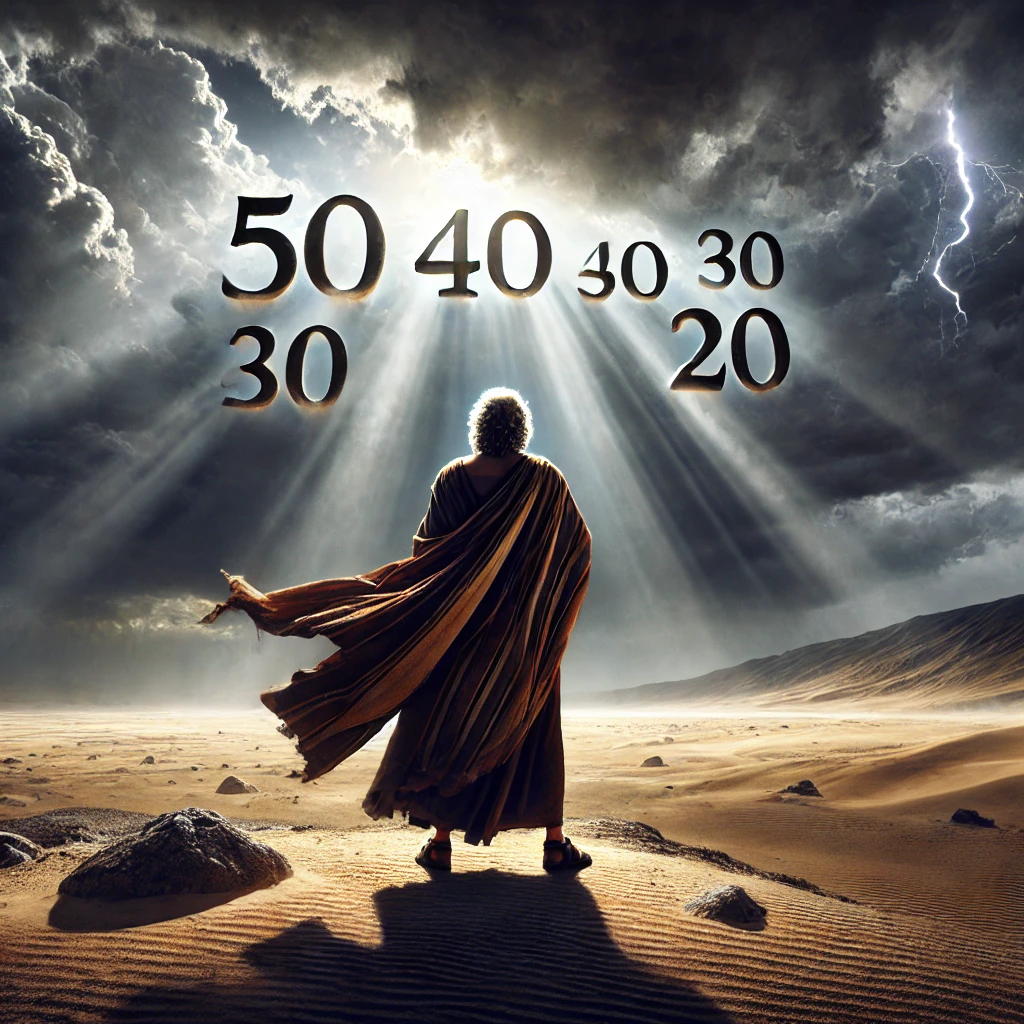
Abraham’s dispute with the LORD in Genesis 18 is among the Bible’s most fascinating passages. It demonstrates his moral courage and willingness to insist on principles of justice even before God Himself.
And Abraham drew near, and said: ‘Will You indeed sweep away the righteous with the wicked? Peradventure there are fifty righteous within the city; wilt Thou indeed sweep away and not forgive the place for the fifty righteous that are therein? That be far from Thee to do after this manner, to slay the righteous with the wicked, that so the righteous should be as the wicked; that be far from Thee; shall not the judge of all the earth do justly?’ And the LORD said: ‘If I find in Sodom fifty righteous within the city, then I will forgive all the place for their sake.’ And Abraham answered and said: ‘Behold now, I have taken upon me to speak unto the Lord, who am but dust and ashes. Peradventure there shall lack five of the fifty righteous; wilt Thou destroy all the city for lack of five?’ And He said: ‘I will not destroy it, if I find there forty and five.’ … And he said: ‘Oh, let not the Lord be angry, and I will speak yet but this once. Peradventure ten shall be found there.’ And He said: ‘I will not destroy it for the ten’s sake.’ (Genesis 18:23–28, 32)
וַיִּגַּשׁ אַבְרָהָם וַיֹּאמַר: הַאַף תִּסְפֶּה צַדִּיק עִם רָשָׁע?! אוּלַי יֵשׁ חֲמִשִּׁים צַדִּיקִם בְּתוֹךְ הָעִיר? הַאַף תִּסְפֶּה וְלֹא תִשָּׂא לַמָּקוֹם לְמַעַן חֲמִשִּׁים הַצַּדִּיקִם אֲשֶׁר בְּקִרְבָּהּ?
חָלִלָה לְּךָ מֵעֲשֹׂת כַּדָּבָר הַזֶּה לְהָמִית צַדִּיק עִם רָשָׁע וְהָיָה כַצַּדִּיק כָּרָשָׁע, חָלִלָה לָּךְ הֲשֹׁפֵט כָּל הָאָרֶץ לֹא יַעֲשֶׂה מִשְׁפָּט?!
וַיֹּאמֶר ה': אִם אֶמְצָא בִסְדֹם חֲמִשִּׁים צַדִּיקִם בְּתוֹךְ הָעִיר – וְנָשָׂאתִי לְכָל הַמָּקוֹם בַּעֲבוּרָם.
וַיַּעַן אַבְרָהָם וַיֹּאמַר: הִנֵּה נָא הוֹאַלְתִּי לְדַבֵּר אֶל אֲדֹנָי וְאָנֹכִי עָפָר וָאֵפֶר. אוּלַי יַחְסְרוּן חֲמִשִּׁים הַצַּדִּיקִם חֲמִשָּׁה, הֲתַשְׁחִית בַּחֲמִשָּׁה אֶת כָּל הָעִיר?
וַיֹּאמֶר: לֹא אַשְׁחִית אִם אֶמְצָא שָׁם אַרְבָּעִים וַחֲמִשָּׁה
...
וַיֹּאמֶר: אַל נָא יִחַר לַאדֹנָי וַאֲדַבְּרָה אַךְ הַפַּעַם, אוּלַי יִמָּצְאוּן שָׁם עֲשָׂרָה?
וַיֹּאמֶר: לֹא אַשְׁחִית בַּעֲבוּר הָעֲשָׂרָה. (בבראשית י"ח, כ"ג-ל"ג)
Abraham began by asking whether fifty righteous people were in the city. He then tested what would happen if five were missing, continuing downward until he reached ten and stopped.
What strategy governed his negotiations with the LORD over Sodom, and what did he seek? Why begin at fifty? What logic lies in “wilt Thou destroy all the city for lack of five?” Some number must be the boundary below which there are insufficient righteous people to save the place. Why not go below ten? Ultimately Lot alone saved all Zoar’s inhabitants (Genesis 19:18–22).
Abraham sought to save all Sodom, including its wicked, rather than merely its righteous people.
He did not shrink from manipulative negotiations to save Sodom. As noted, “wilt Thou destroy all the city for lack of five?” is logically invalid: there must always be a boundary below which too few righteous people remain. Yet it casts the LORD in a problematic light, as though an entire city would be destroyed merely because five righteous people were missing. Abraham thus uses an emotional argument to reduce further the number needed to save the city.
He also presents the LORD as having only two options: destroy Sodom together with its righteous inhabitants, or spare the whole place for their sake. A third exists: remove the righteous, as ultimately happened with Lot, then destroy it. Abraham deliberately ignores this because his aim is to prevent all Sodom’s destruction, rather than only save the righteous.
To understand why he stops at ten, we must distinguish two ways a place may be saved through its righteous inhabitants. One exceptionally righteous person may protect it through his presence, as long as he has not been separated from it. But a significant group uninvolved in its wickedness may also save the whole place. Abraham therefore investigates how small a body of people who have not sinned may become while still warranting the entire place’s preservation.
We can divide humanity here into three groups or levels: the wicked; the exceptionally righteous, who fear God; and those who do no wicked deeds but are not exceptionally righteous. The last are called “righteous” in biblical judgment, meaning righteous relative to the wicked: “If there be a controversy between men, and they come unto judgment, and the judges judge them, then they shall justify the righteous, and condemn the wicked” (Deuteronomy 25:1). Abraham apparently meant such people – uninvolved in the place’s wickedness without being exceptionally righteous – when asking, “Peradventure there are fifty righteous within the city.”
The exceptionally righteous, those who fear God, can save an entire place for their sake. Korah’s rebellion illustrates this. When the LORD sought to punish the congregation, He told Moses and Aaron: “Separate yourselves from among this congregation, that I may consume them in a moment” (Numbers 16:21). This request implies that while Moses and Aaron, who fear Him, remain within the congregation, their presence prevents its destruction.
Something similar happened with Lot, also God-fearing: sitting at Sodom’s gate, administering justice, welcoming guests, and protecting them. Unable to flee to the mountain in time, he asked to escape to Zoar. The angel agreed, saving the entire city: “Behold now, this city is near to flee unto, and it is a little one; oh, let me escape thither … for I cannot do any thing till thou be come thither” (Genesis 19:20, 22). Zoar’s preservation solved a practical constraint, but demonstrates that an exceptionally righteous person’s presence can protect his location.
A group that has not sinned, even without exceptional righteousness, may likewise protect a place if it constitutes a community. In Korah’s case, Moses and Aaron asked that the LORD not harm an entire innocent congregation for one person’s sin. Sodom’s situation was reversed: most inhabitants were wicked, rather than a small minority, as it says, “both young and old, all the people from every quarter” (Genesis 19:4). Abraham therefore sought far more: a small group “righteous” in judgment saving the entire place and its wicked majority, as well as themselves.
To save the whole place, these “righteous” people had to count as a community. Ten may be the smallest group constituting a public unit, as seen in Israel’s wilderness hierarchy: “rulers of thousands, rulers of hundreds, rulers of fifties, and rulers of tens” (Exodus 18:21). On this proposal, fewer than ten are a collection of individuals rather than a community. Abraham therefore stopped at ten.
Why begin at fifty? Perhaps he considered ten the minimum community, and began at a broader communal level. Fifty is enough to represent a substantial city group, without being so excessive that finding it is hopeless. Israel’s wilderness leadership also mentions “rulers of fifties” (Exodus 18:21) as the next communal level after tens.

 Podcast (Hebrew)