And it shall be on the day when ye shall pass over the Jordan unto the land which the LORD thy God giveth thee, that thou shalt set thee up great stones, and plaster them with plaster. And thou shalt write upon them all the words of this law, when thou art passed over … And there shalt thou build an altar unto the LORD thy God, an altar of stones; thou shalt lift up no iron tool upon them. Thou shalt build the altar of the LORD thy God of unhewn stones; and thou shalt offer burnt-offerings thereon unto the LORD thy God. And thou shalt sacrifice peace-offerings, and shalt eat there; and thou shalt rejoice before the LORD thy God. (Deuteronomy 27:2–8)
וְהָיָה בַּיּוֹם אֲשֶׁר תַּעַבְרוּ אֶת הַיַּרְדֵּן, אֶל הָאָרֶץ אֲשֶׁר ה' אֱלֹהֶיךָ נֹתֵן לָךְ, וַהֲקֵמֹתָ לְךָ אֲבָנִים גְּדֹלוֹת וְשַׂדְתָּ אֹתָם בַּשִּׂיד. וְכָתַבְתָּ עֲלֵיהֶן אֶת כָּל דִּבְרֵי הַתּוֹרָה הַזֹּאת בְּעָבְרֶךָ ... וּבָנִיתָ שָּׁם מִזְבֵּחַ לַה' אֱלֹהֶיךָ, מִזְבַּח אֲבָנִים. לֹא תָנִיף עֲלֵיהֶם בַּרְזֶל – אֲבָנִים שְׁלֵמוֹת תִּבְנֶה אֶת מִזְבַּח ה' אֱלֹהֶיךָ. וְהַעֲלִיתָ עָלָיו עוֹלֹת לַה' אֱלֹהֶיךָ, וְזָבַחְתָּ שְׁלָמִים וְאָכַלְתָּ שָּׁם וְשָׂמַחְתָּ לִפְנֵי ה' אֱלֹהֶיךָ. (דברים כ"ז, ב-ח)
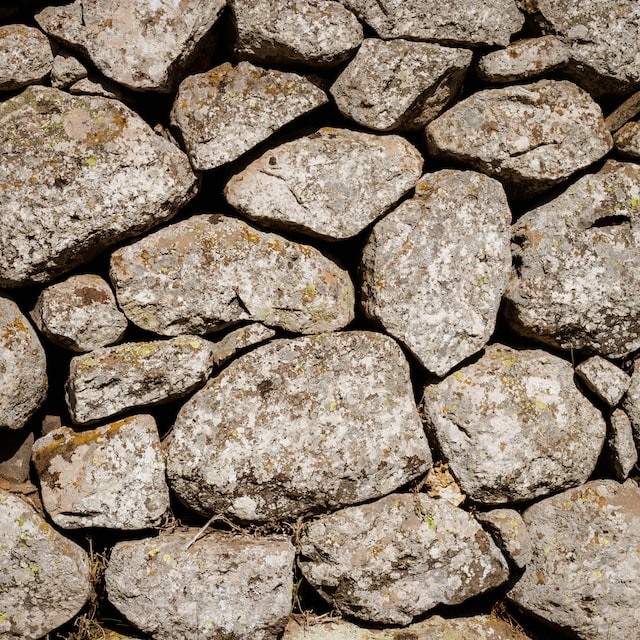
Deuteronomy describes two structures on Mount Ebal. The first was a monument of great stones, probably dressed and plastered, inscribed with “all the words of this law.” Their size presumably required cranes and technological equipment to erect. The second was a simple altar of unhewn stones in their natural form, unworked and undressed, for burnt and peace offerings.
Both relate to the covenant made on entering the land. The monument served as the parties’ agreement document, apparently including the covenant, blessings, and curses. The altar served the ceremonial meal afterward: burnt offerings to the LORD and peace offerings eaten by the people’s representatives.
Such covenant-making through stone inscription and an altar also appears at Sinai. The covenant words were written on stone tablets and twelve pillars erected; the ceremony concludes with a kind of shared meal between the LORD and the representatives, “Moses, and Aaron, Nadab, and Abihu, and seventy of the elders of Israel” (Exodus 24:4–11). Jacob and Laban’s reconciliation follows a similar pattern: covenant, pillar, stone heap, and shared meal (Genesis 31:44–54).
The great-stone monument expresses human society’s technological achievements. Inscribing Torah laws expresses culture’s highest attainment when it adopts Torah values and promotes righteousness and justice: “for this is your wisdom and your understanding in the sight of the peoples, that, when they hear all these statutes, shall say: ‘Surely this great nation is a wise and understanding people’” (Deuteronomy 4:6).
The simple altar of natural stones untouched by iron, by contrast, expresses Israel’s primary, immediate closeness to the LORD: “For what great nation is there, that hath God so nigh unto them, as the LORD our God is whensoever we call upon Him?” (Deuteronomy 4:7). This closeness appears in sacrifice and the intimacy of shared eating among the covenant partners.
