And if any one sin, in that he heareth the voice of adjuration, he being a witness, whether he hath seen or known, if he do not utter it, then he shall bear his iniquity; or if any one touch any unclean thing, whether it be the carcass of an unclean beast, or the carcass of unclean cattle, or the carcass of unclean swarming things, and be guilty, it being hidden from him that he is unclean; or if he touch the uncleanness of man, whatsoever his uncleanness be wherewith he is unclean, and it be hid from him; and, when he knoweth of it, be guilty; or if any one swear clearly with his lips to do evil, or to do good, whatsoever it be that a man shall utter clearly with an oath, and it be hid from him; and, when he knoweth of it, be guilty in one of these things; (Leviticus 5:1–4)
וְנֶפֶשׁ כִּי תֶחֱטָא: וְשָׁמְעָה קוֹל אָלָה וְהוּא עֵד אוֹ רָאָה אוֹ יָדָע, אִם לוֹא יַגִּיד – וְנָשָׂא עֲוֹנוֹ.
אוֹ נֶפֶשׁ אֲשֶׁר תִּגַּע בְּכָל דָּבָר טָמֵא, אוֹ בְנִבְלַת חַיָּה טְמֵאָה אוֹ בְּנִבְלַת בְּהֵמָה טְמֵאָה, אוֹ בְּנִבְלַת שֶׁרֶץ טָמֵא, וְנֶעְלַם מִמֶּנּוּ וְהוּא טָמֵא – וְאָשֵׁם.
אוֹ כִי יִגַּע בְּטֻמְאַת אָדָם, לְכֹל טֻמְאָתוֹ אֲשֶׁר יִטְמָא בָּהּ, וְנֶעְלַם מִמֶּנּוּ וְהוּא יָדַע – וְאָשֵׁם.
אוֹ נֶפֶשׁ כִּי תִשָּׁבַע לְבַטֵּא בִשְׂפָתַיִם לְהָרַע אוֹ לְהֵיטִיב, לְכֹל אֲשֶׁר יְבַטֵּא הָאָדָם בִּשְׁבֻעָה, וְנֶעְלַם מִמֶּנּוּ וְהוּא יָדַע – וְאָשֵׁם, לְאַחַת מֵאֵלֶּה. (ויקרא ה', א-ד)
The Torah presents three cases requiring a distinctive sin-offering whose scale varies with the sinner’s means, called by the Sages an “ascending and descending offering”:
- Withholding testimony.
- Becoming impure, “it be hid from him, and he knoweth of it, and be guilty.”
- Taking an oath, “it be hid from him, and he knoweth of it, and be guilty.”
Two questions arise: what common feature warrants this special offering, and what is the guilt in each case?
The first is explicit: a person required to testify consciously refrains. The other two are unclear.
What is the sin of someone becoming impure with the matter hidden from him, though he knows? Did he become impure unknowingly and later learn of it? If so, what is sinful? The Torah nowhere punishes impurity itself, and here mentions no entry into the sanctuary while impure.
Likewise, what is sinful about taking an oath with the matter hidden though known? Taking an oath seems legitimate (see Deuteronomy 10:20), and no violation of the oath is mentioned. What, then, is the guilt?
Both cases use the same wording. “It be hid from him” naturally means the impurity or oath has disappeared from awareness: an unconscious error. Yet “and he knoweth of it and be guilty” points to full awareness. In a parallel case of wholly unconscious error, the Torah explicitly says he did not know: “And if any one sin, and do any of the things which the LORD hath commanded not to be done, though he know it not, yet is he guilty” (Leviticus 5:17). JPS renders the former phrase temporally, “when he knoweth of it”; the interpretation here reads the Hebrew “ve-hu yada” as simultaneous awareness.
The key to the latter two sins and their recurrent wording seems to be their common feature with the first.
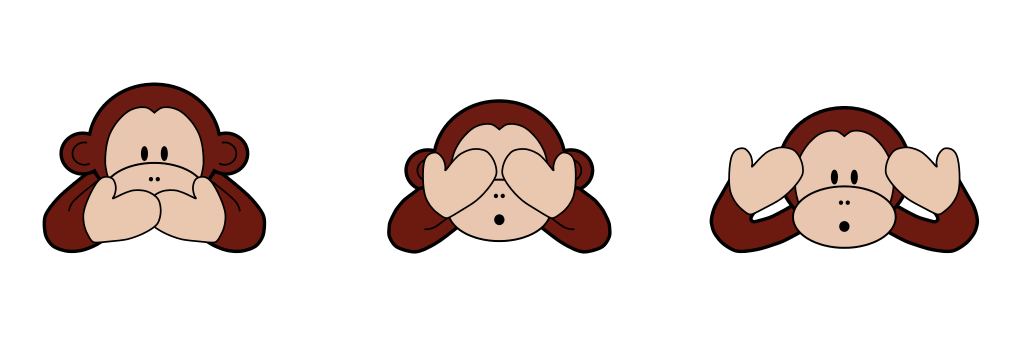
Perhaps all three involve a failure to act through fully conscious disregard: ignoring the demand to testify, the need to purify oneself, or the obligation created by an oath. This is not openly defiant disregard “with a high hand,” but a more complex state in which a person behaves as though the matter were absent from awareness. Hence the text uses a description of state, “it be hid from him,” rather than an active verb like “ignore.” Combined with “and he knoweth,” this depicts someone who knows the reality yet acts unaware.
The first case unquestionably involves full awareness. Since the Torah assigns one rule to all three, the second and third apparently do too: “and he knoweth of it, and be guilty in one of these things.”
The wording means that the person knowingly chooses to act as though the matter were hidden: as though he had not become impure and incurred a duty to purify himself promptly (see Numbers 19:13), or had not sworn to do something. In both cases the sin is therefore explicit: conscious disregard, “it be hid from him, and he knoweth of it, and be guilty.”
The New English Bible similarly renders: “and it is concealed by him although he is aware of it.”
This special offering teaches that sin includes conscious evasion, suppression, and refusal to take responsibility for known obligations, as well as active deeds. Even choosing to ignore knowledge, delay a response, or postpone a duty without actually violating a specific command entails guilt. The Torah regards these as failures requiring an offering for delay, suppression, or disregard itself, even without a visible outward act.
