Vayikra
- “When a Ruler Sinneth”Only the anointed priest represents the people – neither the prince, the king, nor even Moses himselfFrom the book “Peshat in Brief (working title)”
- “It Be Hid from Him, and He Knoweth of It, and Be Guilty”Even without actively violating a command, deliberately ignoring what one knows, delaying a response, or postponing a duty entails guiltFrom the book “Peshat in Brief (working title)”
- The Value of the Guilt-Offering RamThe ram is purchased from sacred flocks at an inflated price corresponding to the sinner’s monetary valuationFrom the book “Peshat in Brief (working title)”
- The Additional Fifth in a Guilt-OfferingThe fifth is redemption rather than a fine, for property linked to holiness through a false oathFrom the book “Peshat in Brief (working title)”

Tzav
- “This Is the Law of the Burnt-Offering”The burnt-offering’s essence is maintaining the perpetual fireFrom the book “Peshat in Brief (working title)”
- The Secret of the NorthSlaughtering flock animals in the north symbolizes separation from Egyptian solar idolatry and devotion to the LORD who rules natureFrom the book “Peshat in Brief (working title)”
- The Law of PiggulEating a peace-offering after its permitted time retroactively invalidates it, because Tzav treats eating as integral to sacrificeFrom the book “Peshat in Brief (working title)”
- A Rite of PassageBlood on the body’s right extremities symbolizes the priests’ gradual entry into their new role through the right sideFrom the book “Peshat in Brief (working title)”

Shemini
- The Eighth Day’s MistakesThe eighth day followed human initiative rather than an explicit command, resulting in three fundamental mistakesFrom the book “Peshat in Brief (working title)”
- Nadab and Abihu’s SacrificeConsumed by the LORD’s fire, Nadab and Abihu themselves became a sacrifice in place of the sin- and burnt-offerings and the people’s sin-offering goatFrom the book “Peshat in Brief (working title)”
- Nadab and Abihu’s RebellionLike Korah’s challenge, Nadab and Abihu’s act attempts to undermine the sacred service transmitted through MosesFrom the book “Peshat in Brief (working title)”
- What Does the LORD Require of You?Understanding the LORD’s will requires flexibility and attention to different opinions and interpretationsFrom the book “Peshat in Brief (working title)”

Tazria
- “If a Woman Conceives”From the book “In Search of Lost Meaning”
- Why Does Childbirth Differ for a Son and a Daughter?The doubled impurity period after a daughter’s birth reflects two females participating – mother and daughterFrom the book “Peshat in Brief (working title)”
- The Tzara‘at ParadoxUnlike ordinary tzara‘at, a white swelling imparts impurity only with raw flesh – a definition rather than a paradoxFrom the book “Peshat in Brief (working title)”
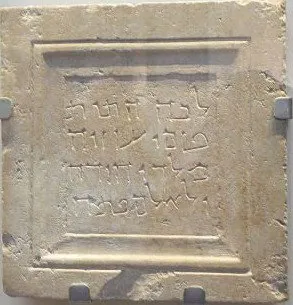

Acharei Mot
- The Meeting Tent, the Veil, and the Incense AltarFrom the book “In Search of Lost Meaning”
- Preparing for RevelationThe service described in Aharei Mot corrects the eighth day’s three failuresFrom the book “Peshat in Brief (working title)”
- The Difference between Slaughter and HuntingHunting is a permitted secular act; slaughter is perceived as ritual sacrifice and permitted only at the TabernacleFrom the book “Peshat in Brief (working title)”
- Forbidden Sexual RelationsDid the nation’s ancestors violate the prohibitions on sexual relations?From the book “Peshat in Brief (working title)”

Kedoshim
- Revering Parents and Keeping the SabbathKedoshim begins with Sabbath and parents because they represent worship’s two centers: relations with God and with other peopleFrom the book “Peshat in Brief (working title)”
- “Ye Shall Do No Unrighteousness”The Torah counts judgment as measurement alongside length, weight, and volumeFrom the book “Peshat in Brief (working title)”
- “I Am the LORD”Is morality binding in itself, or because the LORD commanded it?From the book “Peshat in Brief (working title)”
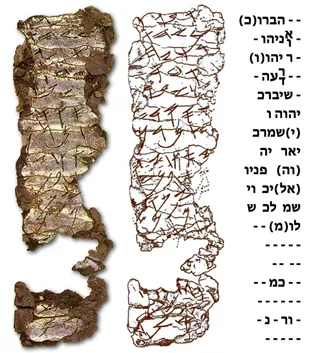
Emor
- Priests and IsraelitesFrom the book “In Search of Lost Meaning”
- Priests and IsraelitesThe Torah extends some priestly holiness laws to all IsraelFrom the book “Peshat in Brief (working title)”
- The LORD’s Appointed Times or Israel’s?New moons are Israel’s appointed times and therefore absent from the LORD’s appointed timesFrom the book “Peshat in Brief (working title)”
- The Connection between the LORD's Appointed Seasons and TzaraatAs with tzaraat, in determining the festivals it is human beings who give the phenomenon its meaningFrom the book “Peshat in Brief (working title)”

Behar
- Does the Jubilee Year Begin on the Tenth of the Seventh Month?The tenth of the month is only an announcement – the Jubilee begins after the Feast of IngatheringFrom the book “Peshat in Brief (working title)”
- The Miracle of the Sabbatical YearThe sabbatical commandment presupposes a miraculous reality before it begins – without that reality it has no applicationFrom the book “Peshat in Brief (working title)”
- “The Land Shall Not Be Sold in Perpetuity; for the Land Is Mine”The land and fields belong to the LORD and therefore return at the Jubilee – the city is human property, so its houses are not redeemedFrom the book “Peshat in Brief (working title)”

Bechukotai
- Human ValuationsFrom the book “In Search of Lost Meaning”
- What Is So Good about Very Old Produce?In the Land of Israel, blessing comes through natural means that require human responsibility and planningFrom the book “Peshat in Brief (working title)”
- AbhorrenceEven when Israel breaks its covenant with the LORD, the covenant with the patriarchs remains validFrom the book “Peshat in Brief (working title)”
- Human ValuationsA man's valuation, unlike a woman's, reflects his role as a soldier as well as his capacity for workFrom the book “Peshat in Brief (working title)”