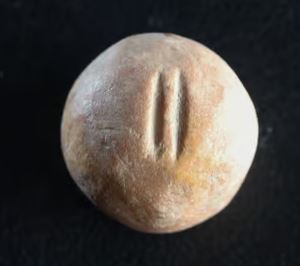
Ye shall do no unrighteousness in judgment, in meteyard, in weight, or in measure. Just balances, just weights, a just ephah, and a just hin, shall ye have. (Leviticus 19:35–36)
לֹא תַעֲשׂוּ עָוֶל בַּמִּשְׁפָּט בַּמִּדָּה בַּמִּשְׁקָל וּבַמְּשׂוּרָה.
מֹאזְנֵי צֶדֶק, אַבְנֵי צֶדֶק, אֵיפַת צֶדֶק, וְהִין צֶדֶק – יִהְיֶה לָכֶם. (ויקרא י"ט, לה-לו)
How should the opening be read? Does “in judgment” belong to the heading, followed by three examples – measures, weight, volume? Or is the heading “Ye shall do no unrighteousness,” followed by four examples including judgment?
An earlier similar verse clearly includes judgment in the heading:
Ye shall do no unrighteousness in judgment; thou shalt not respect the person of the poor, nor favour the person of the mighty; but in righteousness shalt thou judge thy neighbour. (Leviticus 19:15)
לֹא תַעֲשׂוּ עָוֶל בַּמִּשְׁפָּט: לֹא תִשָּׂא פְנֵי דָל, וְלֹא תֶהְדַּר פְּנֵי גָדוֹל, בְּצֶדֶק תִּשְׁפֹּט עֲמִיתֶךָ. (ויקרא י"ט, טו).
Cantillation supports that division here too: the etnahta under “in judgment” retains it in the heading.
Unlike the earlier verse’s obvious judicial wrongs, favoring poor or powerful, measurement fraud is not a classic formal judicial injustice. “Judgment” could figuratively mean general fairness, but why then give examples only from measurement?
Another reading makes “Ye shall do no unrighteousness” the heading with four related fields:
- Judgment: adjudication.
- Measure: length, width, and area, usually land.
- Weight: objects’ weights.
- Volume: liquids’ volumes.
Saadia Gaon’s Tafsir similarly reads: “Do no wrong in judgment, nor in measures of area, weight, and volume,” as does Ibn Ezra’s first explanation.
The Torah thus places judgment beside three measurements because judgment too measures deeds morally against justice’s standard.
Prophets use this image: “And I will make justice the line, and righteousness the plummet” (Isaiah 28:17); Proverbs says “A just balance and scales are the LORD’s” (Proverbs 16:11). Judgment belongs in the list as a spiritual and moral measuring system parallel to market instruments. The verse demands precision in judgment, area, weight, and volume.
The next verse’s four “just” instruments – balances, weights, ephah, and hin – may decide between readings: literarily, four objects hint at four categories rather than three.
They form two pairs: balances and stones weigh objects; ephah and hin measure solid and liquid volume. Where are the instruments for judgment and area?
Perhaps judgment uses no distinctive instrument. Area, according to the Torah, is measured in cubits or by the seed volume needed for sowing (Leviticus 27:16; I Kings 18:32).
The latter method was common in Mesopotamia, with area measures paralleling volume: a “homer of land” meant the area sown with a homer of seed. Mishnah and Talmud likewise use “a quarter-kav plot,” “a seah plot,” and similar terms.
Leviticus’s requirement principally addresses society, charged with fair judgment and honest market measures. The preceding verses similarly address the community rather than only an individual:
And if a stranger sojourn with thee in your land, ye shall not do him wrong. The stranger that sojourneth with you shall be unto you as the home-born among you, and thou shalt love him as thyself; for ye were strangers in the land of Egypt: I am the LORD your God. (Leviticus 19:33–34)
וְכִי יָגוּר אִתְּךָ גֵּר בְּאַרְצְכֶם – לֹא תוֹנוּ אֹתוֹ. כְּאֶזְרָח מִכֶּם יִהְיֶה לָכֶם, הַגֵּר הַגָּר אִתְּכֶם, וְאָהַבְתָּ לוֹ כָּמוֹךָ, כִּי גֵרִים הֱיִיתֶם בְּאֶרֶץ מִצְרָיִם – אֲנִי ה' אֱלֹהֵיכֶם. (ויקרא י"ט, לג-לד)
Ezekiel likewise demands of princes, the authorities, that priests’ measures for offerings and wine be fair:
Thus saith the Lord GOD: Let it suffice you, O princes of Israel; remove violence and spoil, and execute justice and righteousness; take away your exactions from My people, saith the Lord GOD. Ye shall have just balances, and a just ephah, and a just bath. (Ezekiel 45:9–10)
כֹּה אָמַר אֲ-דֹנָי ה': רַב לָכֶם נְשִׂיאֵי יִשְׂרָאֵל. חָמָס וָשֹׁד הָסִירוּ, וּמִשְׁפָּט וּצְדָקָה עֲשׂוּ. הָרִימוּ גְרֻשֹׁתֵיכֶם מֵעַל עַמִּי, נְאֻם אֲ-דֹנָי ה'. מֹאזְנֵי צֶדֶק, וְאֵיפַת צֶדֶק, וּבַת צֶדֶק – יְהִי לָכֶם (יחזקאל מ"ה, ט-י)
This differs from Deuteronomy addressing an individual with differently sized weights or measures in his bag or house:
Thou shalt not have in thy bag diverse weights, a great and a small. Thou shalt not have in thy house diverse measures, a great and a small. A perfect and just weight shalt thou have; a perfect and just measure shalt thou have … For all that do such things, even all that do unrighteously, are an abomination unto the LORD thy God. (Deuteronomy 25:13–16)
לֹא יִהְיֶה לְךָ בְּכִיסְךָ אֶבֶן וָאָבֶן – גְּדוֹלָה וּקְטַנָּה. לֹא יִהְיֶה לְךָ בְּבֵיתְךָ אֵיפָה וְאֵיפָה – גְּדוֹלָה וּקְטַנָּה. אֶבֶן שְׁלֵמָה וָצֶדֶק יִהְיֶה לָּךְ, אֵיפָה שְׁלֵמָה וָצֶדֶק יִהְיֶה לָּךְ ... כִּי תוֹעֲבַת ה' אֱלֹהֶיךָ כָּל עֹשֵׂה אֵלֶּה, כֹּל עֹשֵׂה עָוֶל. (דברים כ"ה, יג-טז)
