At the beginning of Bechukotai, among the verses of blessing, we read:
And ye shall eat old store long kept, and ye shall bring forth the old from before the new. (Leviticus 26:10)
וַאֲכַלְתֶּם יָשָׁן נוֹשָׁן – וְיָשָׁן, מִפְּנֵי חָדָשׁ תּוֹצִיאוּ. (ויקרא כ"ו, י)
The first part of the verse praises a situation in which people eat “old store long kept,” while its end describes clearing out the old to make way for the new. If very old produce is so good – as, for example, with wine that improves with age – why clear it out for the new?
The explanation is simple. The Torah is discussing grain, not wine. With grain, new is preferable to old.
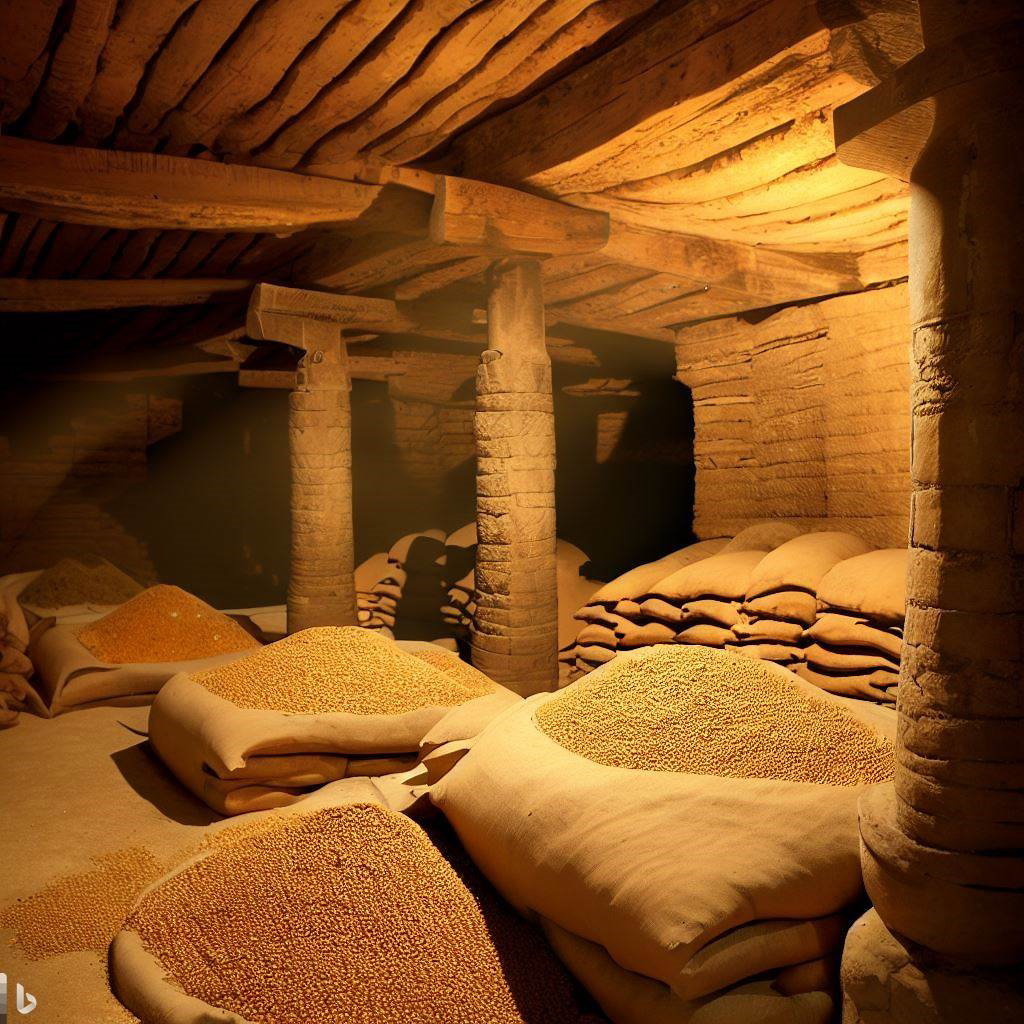
Farmers store grain for years of shortage, always using the old grain first because it has a shorter remaining shelf life. In abundant years, grain accumulates in storage from year to year until people find themselves eating very old grain, “old store long kept.” When a new harvest arrives and there is no room left in the granaries, there is no alternative but to remove the oldest stock to make room for the new, better grain.
Thus the blessing, “And ye shall eat old store long kept,” does not praise old produce. It describes such great and sustained abundance that the storehouses are always full, and the new arrives before the old runs out.
An important point deserves attention: the blessing does not describe a reality without years of shortage, but a world of continuing abundance in which people still need to prepare for less favorable years. The Torah’s reference to eating very old produce itself teaches that human beings must store, plan, and manage abundance over time. Even when Israel does the LORD’s will, blessing does not cancel reality’s laws, but operates within them. This is a providence of natural abundance, requiring responsibility and planning.
It contrasts with the miraculous providence of the wilderness, where the economy was detached from nature’s laws: manna fell anew each morning, daily gathering was sufficient, and storage for the next day was forbidden. Neither long-term planning nor a storehouse was needed, only continual trust in divine providence supplying food every day.
The transition from wilderness to land is therefore a transition from complete dependence on miracles to a world in which blessing is present but requires human responsibility and management.
