And the land shall not be sold in perpetuity; for the land is Mine; for ye are strangers and settlers with Me. (Leviticus 25:23)
וְהָאָרֶץ לֹא תִמָּכֵר לִצְמִתֻת, כִּי לִי הָאָרֶץ. כִּי גֵרִים וְתוֹשָׁבִים אַתֶּם עִמָּדִי. (ויקרא כ"ה, כג)
This verse expresses a fundamental principle: the land, particularly the soil of the Land of Israel, is not private property. It belongs to the LORD, and human beings are merely strangers and settlers upon it. Selling a field therefore means selling not the soil itself, but the harvest years remaining until the Jubilee, during which the buyer may enjoy its produce (Leviticus 25:15–16). At the Jubilee, the land returns to its original owners.
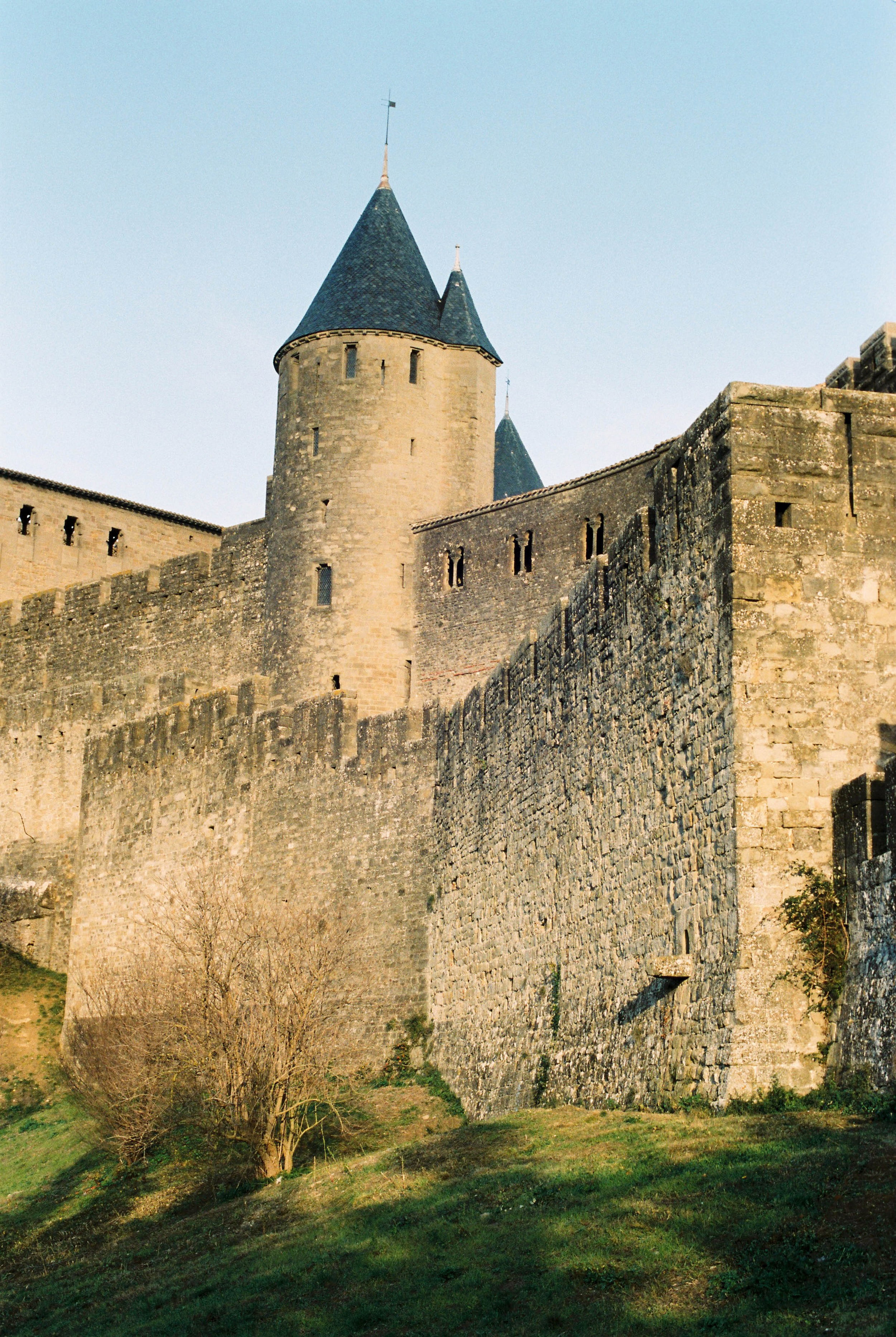
This principle extends beyond fields. It also applies to houses in unwalled villages and to houses in the Levites’ cities. Houses in walled cities, however, are an exception: they may be sold permanently, subject to a right of redemption during one year only (Leviticus 25:29–34).
What underlies this distinction? Why does one rule apply to fields, villages, and Levitical cities, and another to houses in walled cities?
The dividing line apparently lies between field and city. The Torah sees the field as an inseparable part of the land belonging to the LORD – “for the land is Mine.” As a natural space, the field cannot become absolute human property and be sold permanently. The city, by contrast, is understood as a human creation, a space built and defined by human beings, unlike the field created by the LORD.
This fits a broader biblical conception of the tension between natural and human space. Genesis already tells how Cain, after being punished, built a city – an act expressing the transition from a life dependent on the soil to the creation of a separate human space (Genesis 4:16). In the Tower of Babel story, building the city and tower is even presented as resistance to the LORD’s will, to the point that He must intervene: “And the LORD came down to see the city and the tower, which the children of men builded.” (Genesis 11:5). A fundamental distinction thus emerges: the land belongs to the LORD, the city to human beings. Compare the discussion in “Leaving the City.”
Houses in walled cities – central cities of standing – belong to this sphere, and the Torah therefore recognizes that they can be sold permanently. Houses in unwalled villages, by contrast, are not seen as an independent urban space, but as subordinate to the field. The Torah states this explicitly: “But the houses of the villages which have no wall round about them shall be reckoned with the fields of the country” (Leviticus 25:31). Because they count as part of the field, they follow its rules: they can be redeemed at any time and return to their owners at the Jubilee.
The same applies to the Levites’ cities. Although they are cities, they are not regarded as ordinary urban property, since they were given to the Levites out of the other tribes’ inheritance as a possession bestowed by the LORD: “for the houses of the cities of the Levites are their possession among the children of Israel” (Leviticus 25:33). Assigned to the LORD’s service and His servants, they are not regarded as ordinary urban property but follow the rules of an ancestral field: they cannot be sold permanently, may always be redeemed, and return at the Jubilee.
