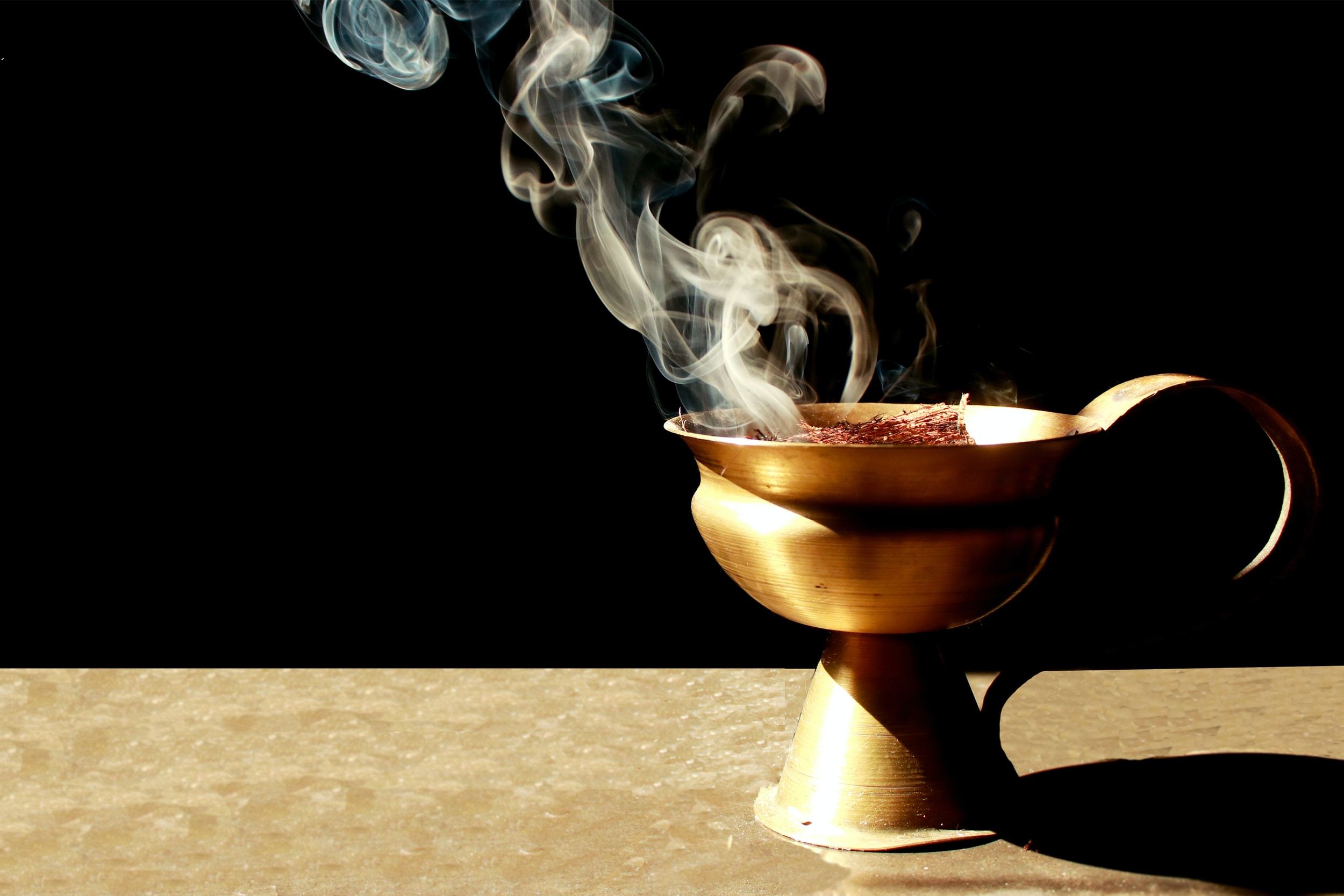
Nadab and Abihu acted at the climax of the Tabernacle’s eighth day:
And Nadab and Abihu, the sons of Aaron, took each of them his censer, and put fire therein, and laid incense thereon, and offered strange fire before the LORD, which He had not commanded them. (Leviticus 10:1)
וַיִּקְחוּ בְנֵי אַהֲרֹן נָדָב וַאֲבִיהוּא אִישׁ מַחְתָּתוֹ, וַיִּתְּנוּ בָהֵן אֵשׁ, וַיָּשִׂימוּ עָלֶיהָ קְטֹרֶת, וַיַּקְרִבוּ לִפְנֵי ה' אֵשׁ זָרָה, אֲשֶׁר לֹא צִוָּה אֹתָם. (ויקרא י', א)
Pesikta de-Rav Kahana says:
“And unto Moses He said: Come up unto the LORD, thou, and Aaron, Nadab, and Abihu,” etc. (Exodus 24:1). This teaches that Moses and Aaron walked first, and Nadab and Abihu followed them. They said: When these two old men die, we will exercise authority over the community in their place.
ואל משה אמר עלה אל ה' אתה ואהרן נדב ואביהוא וגו' (שמות כ"ד, א), מלמד שהיה משה ואהרן מהלכין תחלה, ונדב ואביהו הולכים אחריהן. ואמרו: עוד שני זקנים הללו מתו ואנו נוהגים בשררה על הציבור תחתיהן.
Their act was entirely personal initiative, without a command. They used their own fire-pans and coals not taken from the burnt-offering altar, offering “strange fire … which He had not commanded them.”
Their initiative sharply contradicts the day’s purpose. Its sacrifices belonged to Aaron and the people; Aaron’s sons were merely assistants, unnamed in the lengthy descriptions until their act.
Their personal incense offering, causing the glory to appear, stole the show. It challenged Aaron’s status and perhaps chiefly opposed the mode of serving the LORD transmitted by Moses.
Their incense recalls Korah’s company in Numbers 16, who likewise challenged Aaron’s unique status and Israel’s ritual practices, viewing them as Moses and Aaron’s initiative. Linguistic and stylistic details emphasize the parallel.
Of Nadab and Abihu:
And … took each of them his censer, and put fire therein, and laid incense thereon (Leviticus 10:1)
וַיִּקְחוּ ... אִישׁ מַחְתָּתוֹ, וַיִּתְּנוּ בָהֵן אֵשׁ, וַיָּשִׂימוּ עָלֶיהָ קְטֹרֶת. (ויקרא י', א)
Of Korah’s company:
And they took every man his censer, and put fire in them, and laid incense thereon (Numbers 16:18)
וַיִּקְחוּ אִישׁ מַחְתָּתוֹ, וַיִּתְּנוּ עֲלֵיהֶם אֵשׁ, וַיָּשִׂימוּ עֲלֵיהֶם קְטֹרֶת. (במדבר ט"ז, יח)
Of Nadab and Abihu:
And there came forth fire from before the LORD, and devoured … (Leviticus 10:2)
וַתֵּצֵא אֵשׁ מִלִּפְנֵי ה' וַתֹּאכַל ... (ויקרא י', ב)
Of Korah’s company:
And fire came forth from the LORD, and devoured … (Numbers 16:35)
וְאֵשׁ יָצְאָה מֵאֵת ה' וַתֹּאכַל ... (במדבר ט"ז, לה)
In Korah’s story incense tests who is chosen and holy; the outcome is identical. Both groups challenging Aaron’s priesthood burn before the LORD.
Cassuto hears an echo of Aaron’s sons’ names in Jeroboam son of Nebat’s sons Nadab and Abijah. Jeroboam founded calf worship at Dan and Bethel as a substitute for worship in Jerusalem’s Temple. This explains the Kings writer’s implicit reference to the golden calf in his words:
Whereupon the king took counsel, and made two calves of gold; and he said unto them: ‘Ye have gone up long enough to Jerusalem; behold thy gods, O Israel, which brought thee up out of the land of Egypt.’ (I Kings 12:28)
וַיִּוָּעַץ הַמֶּלֶךְ וַיַּעַשׂ שְׁנֵי עֶגְלֵי זָהָב. וַיֹּאמֶר אֲלֵהֶם: רַב לָכֶם מֵעֲלוֹת יְרוּשָׁלִַם. הִנֵּה אֱלֹהֶיךָ יִשְׂרָאֵל אֲשֶׁר הֶעֱלוּךָ מֵאֶרֶץ מִצְרָיִם. (מל"א י"ב, כח)
Jeroboam thus continues an ancient tradition of opposing Moses’ Torah and the worship transmitted through him, from the golden calf through Nadab and Abihu, Korah, Dathan, and Abiram, to his reign.
