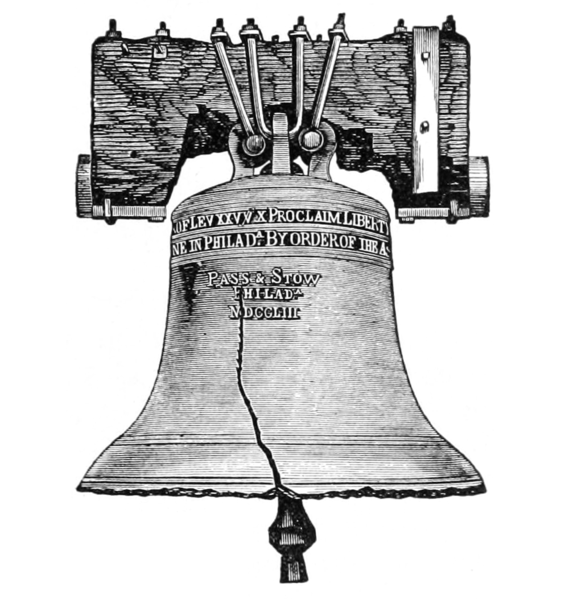
Then shalt thou make proclamation with the blast of the horn on the tenth day of the seventh month; in the day of atonement shall ye make proclamation with the horn throughout all your land. And ye shall hallow the fiftieth year, and proclaim liberty throughout the land unto all the inhabitants thereof; it shall be a jubilee unto you; and ye shall return every man unto his possession, and ye shall return every man unto his family. (Leviticus 25:9–10)
וְהַעֲבַרְתָּ שׁוֹפַר תְּרוּעָה, בַּחֹדֶשׁ הַשְּׁבִעִי בֶּעָשׂוֹר לַחֹדֶשׁ – בְּיוֹם הַכִּפֻּרִים תַּעֲבִירוּ שׁוֹפָר בְּכָל אַרְצְכֶם. וְקִדַּשְׁתֶּם אֵת שְׁנַת הַחֲמִשִּׁים שָׁנָה, וּקְרָאתֶם דְּרוֹר בָּאָרֶץ לְכָל יֹשְׁבֶיהָ. יוֹבֵל הִוא, תִּהְיֶה לָכֶם. וְשַׁבְתֶּם אִישׁ אֶל אֲחֻזָּתוֹ – וְאִישׁ אֶל מִשְׁפַּחְתּוֹ תָּשֻׁבוּ. (ויקרא כ"ה, ט-י)
Why is the Jubilee year proclaimed specifically in the seventh month? Would it not be more fitting to proclaim it at the beginning of the year, in Nisan, the first month, as stated: “’This month shall be unto you the beginning of months; it shall be the first month of the year to you.” (Exodus 12:2)? And why was the sounding of the Jubilee trumpet fixed for the tenth of the month (Leviticus 25:9), rather than a more significant date, its beginning or middle, as with the other festivals?
In biblical times, Israel used two distinct calendars simultaneously: a national calendar and an agricultural calendar. The national year began in the spring month, the time of the exodus from Egypt; the months, determined by the renewal of the moon, were numbered from it, with the spring month as the first. The agricultural year, by contrast, began in autumn, in the seventh month, after the Feast of Ingathering that concluded the previous agricultural year. See the fuller discussion in “When Does the New Year Begin?”
The agricultural year ends at the Feast of Ingathering, as written: “and the feast of ingathering, at the end of the year, when thou gatherest in thy labours out of the field” (Exodus 23:16). Immediately afterward, the sowing season begins and opens the new year. The sabbatical and Jubilee years concern cultivation and agriculture, and therefore begin in autumn, at the beginning of the agricultural year, in the seventh month rather than the first.
Accordingly, the trumpet blast on the tenth of the seventh month – before the Feast of Ingathering that closes the previous agricultural year – is not the beginning of the Jubilee year, but an announcement of its approaching arrival.
The tenth of the seventh month is a significant date with a counterpart in the national year. On the tenth of the first month the Israelites were commanded to take a lamb to be sacrificed several days later, at Passover (Exodus 12:3). This suggests that the tenth of a month serves as preparation for something yet to come, rather than the event itself.
Thus the Jubilee is proclaimed in the seventh month, when the agricultural year opens. The trumpet blast on its tenth day is not the beginning of the Jubilee itself, but preparation and proclamation ahead of it. Its realization comes only after the Feast of Ingathering, with the opening of the sowing season and the beginning of the new agricultural year.
