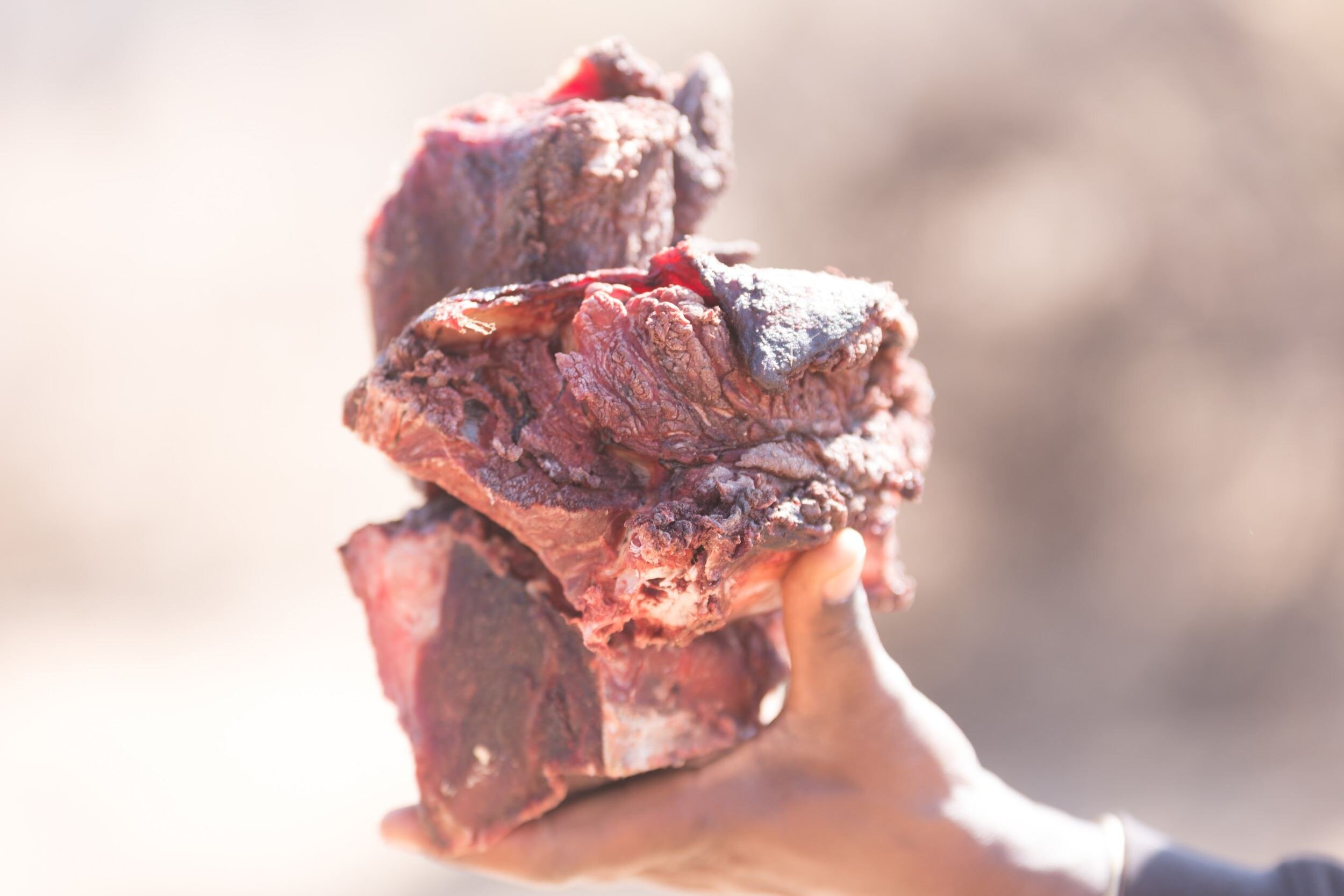
In Tzav, concerning the peace-offering, the Torah says:
And if any of the flesh of the sacrifice of his peace-offerings be at all eaten on the third day, it shall not be accepted, neither shall it be imputed unto him that offereth it; it shall be an abhorred thing, and the soul that eateth of it shall bear his iniquity. (Leviticus 7:18)
וְאִם הֵאָכֹל יֵאָכֵל מִבְּשַׂר זֶבַח שְׁלָמָיו בַּיּוֹם הַשְּׁלִישִׁי – לֹא יֵרָצֶה הַמַּקְרִיב אֹתוֹ. לֹא יֵחָשֵׁב לוֹ – פִּגּוּל יִהְיֶה. וְהַנֶּפֶשׁ הָאֹכֶלֶת מִמֶּנּוּ – עֲוֹנָהּ תִּשָּׂא. (ויקרא ז', יח)
On the plain meaning, eating its meat on the third day, beyond the permitted time, retroactively invalidates the offering. Ibn Ezra articulates the difficulty: “Some ask: after a pleasing savor has risen, how can it not be reckoned?”
Tzav and Vayikra present different conceptions of eating a sacrifice. In Tzav the process begins with offering and burning on the altar and concludes with eating by priests and, for peace-offerings, owners. If eating is essential to the act, untimely eating understandably invalidates it. Hence burning alone is not called a “pleasing savor” here: the sacrifice is incomplete until its meat is eaten.
Vayikra, by contrast, emphasizes burning, transforming the sacrifice into smoke, as an independent ritual act. Neither priestly nor owner consumption appears; eating is not essential to the offering.
The Sages interpret piggul as an improper intention during one of four sacrificial acts – slaughtering, sprinkling, receiving, or carrying the blood – such as intending to eat after the permitted time. The thought itself invalidates the offering. Their interpretation displaces the plain meaning: it is stricter in invalidating through thought without action, but more lenient in accepting a sacrifice eaten on the third day if no improper intention accompanied its offering.
Perhaps this bridges the two conceptions. They adopt Tzav’s view of the priests’ eating as essential: “The priests eat, and the owners obtain atonement” (Babylonian Talmud, Pesahim 59b). Regarding the owners’ eating of peace-offerings, however, they lean toward Vayikra, where eating is outside the sacrificial act. They therefore interpret piggul as improper intention at the offering rather than retroactive invalidation from untimely eating.
