Toward the end of Leviticus 19, Sabbath observance is linked to revering the sanctuary: “Ye shall keep My sabbaths, and reverence My sanctuary: I am the LORD” (verse 30). This understandable, recurring connection joins sacred time and sacred place. The opening, however, links Sabbath with revering parents:
Ye shall fear every man his mother, and his father, and ye shall keep My sabbaths: I am the LORD your God. (Leviticus 19:3)
אִישׁ אִמּוֹ וְאָבִיו תִּירָאוּ, וְאֶת שַׁבְּתֹתַי תִּשְׁמֹרוּ – אֲנִי, ה' אֱלֹהֵיכֶם. (ויקרא י״ט, ג)
What connects these, and what message does the pairing convey?
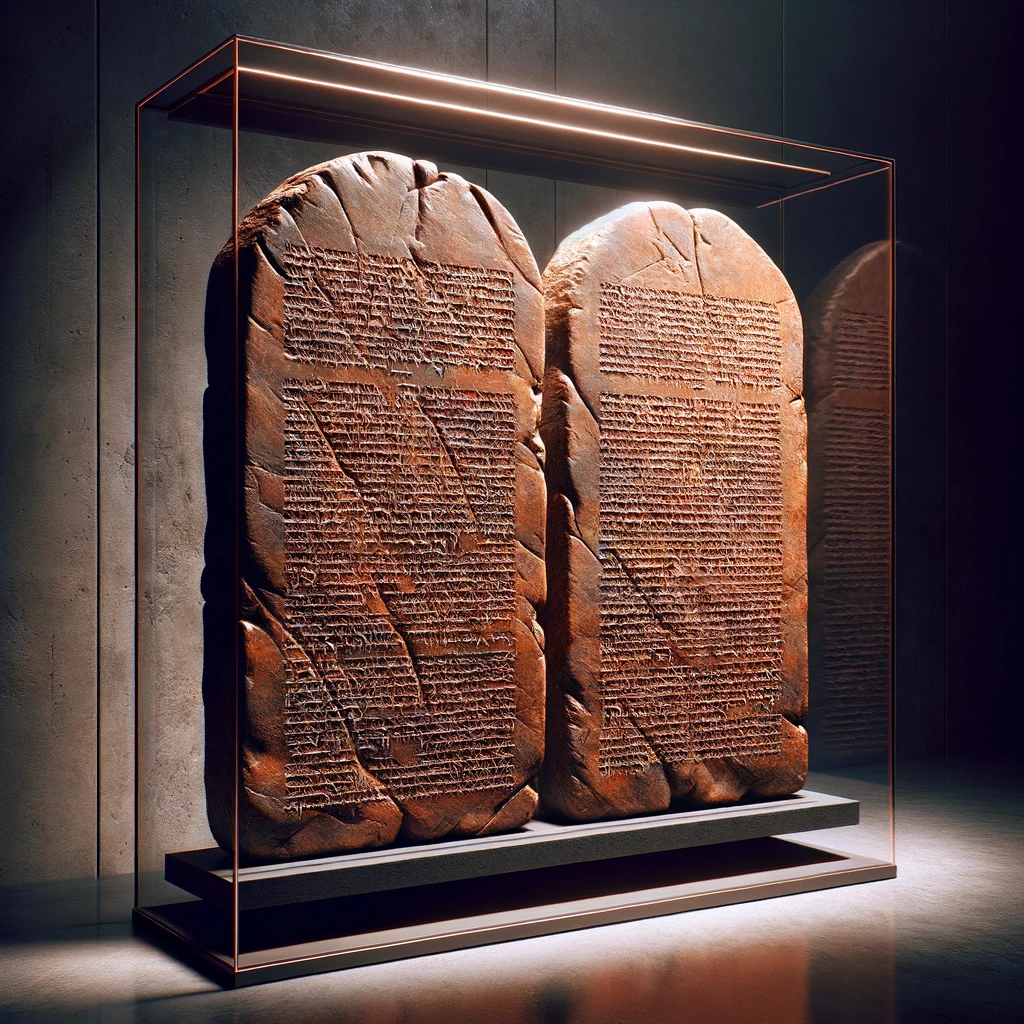
The opening clearly corresponds to the Ten Commandments’ beginning, giving most initial commandments in reverse:
- Fifth, parents: “Ye shall fear every man his mother, and his father” (verse 3).
- Fourth, Sabbath: “and ye shall keep My sabbaths” (verse 3).
- Second, idolatry: “Turn ye not unto the idols, nor make to yourselves molten gods” (verse 4).
- First, identifying the LORD: “I am the LORD your God” (verse 2).
Mother before father likewise reverses “Honour thy father and thy mother” (Exodus 20:12).
Sabbath and parents, together with “I am the LORD thy God” (Exodus 20:2), are the only positively formulated commandments. All others are negative: no graven image, taking the name in vain, murder, adultery, theft, false testimony, or coveting (Exodus 20:1–17). This exceptional positive wording may mark these three as representing and epitomizing all ten.
Sabbath and parents stand at the boundary between the initial God-related commandments and the later interpersonal ones. Sabbath commemorates creation (Exodus 20:11); honoring parents belongs to social life.
The transition is gradual rather than dichotomous. Each overlaps the other’s sphere: Sabbath has a social rationale in Deuteronomy’s commandments (5:14–15), while honoring parents includes honoring transmission of tradition and commitment to the LORD – “Ask thy father, and he will declare unto thee, thine elders, and they will tell thee” (Deuteronomy 32:7).
Jacob Milgrom explains that Kedoshim begins with Sabbath and parents as worship’s two centers, God-related and interpersonal commandments. It explicitly states what the Ten Commandments imply: both matter equally and derive from one rationale, “I am the LORD.”
