Emor’s haftarah reads Ezekiel’s priestly laws, ending:
The priests shall not eat of any thing that dieth of itself, or is torn, whether it be fowl or beast. (Ezekiel 44:31)
כָּל נְבֵלָה וּטְרֵפָה מִן הָעוֹף וּמִן הַבְּהֵמָה – לֹא יֹאכְלוּ הַכֹּהֲנִים. (יחזקאל מ"ד, לא)
The Babylonian Talmud (Shabbat 13b) relates:
Indeed, remember that man for good, Hananiah ben Hezekiah: without him Ezekiel’s book would have been hidden away, for its words contradicted the Torah. What did he do? They brought him three hundred jars of oil, and he sat in an upper chamber and expounded them.
ברם, זכור אותו האיש לטוב, וחנניה בן חזקיה שמו, שאלמלא הוא – נגנז ספר יחזקאל, שהיו דבריו סותרין דברי תורה. מה עשה? העלו לו שלש מאות גרבי שמן וישב בעליה ודרשן.
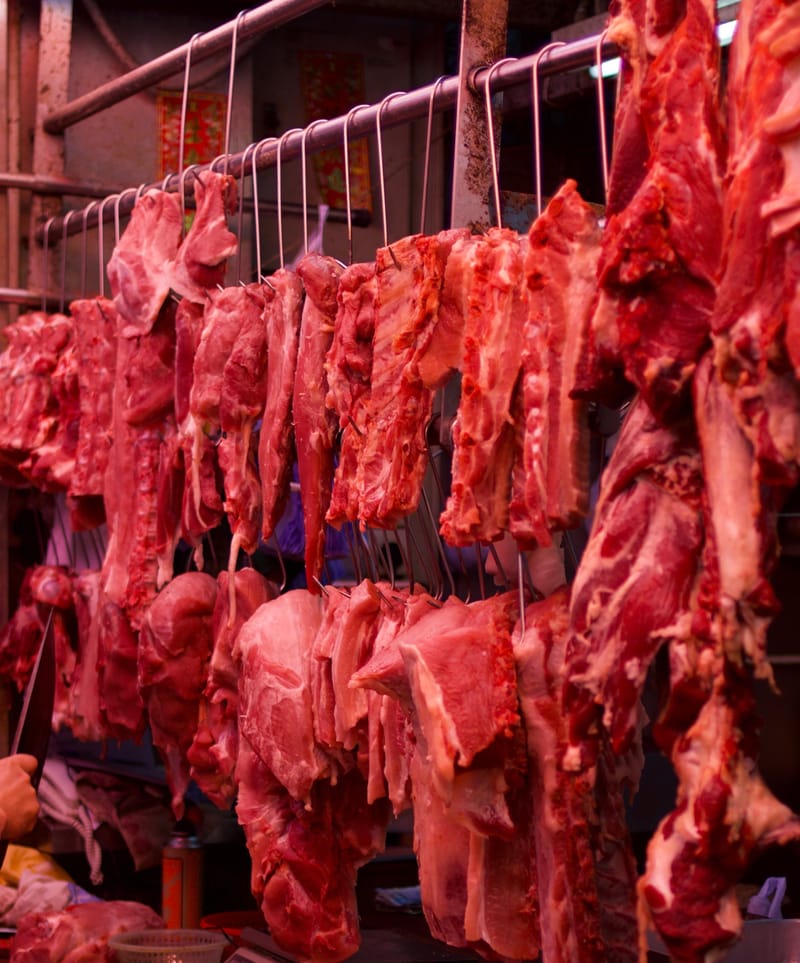
Perhaps one contradiction he addressed was the final prohibition of carrion and torn flesh. Ezekiel implies it is specifically priestly, like the preceding laws, whereas the Torah prohibits it for all Israel (Exodus 22:30; Deuteronomy 14:21).
Yet why complain about Ezekiel when our portion explicitly says the same?
What man soever of the seed of Aaron … That which dieth of itself, or is torn of beasts, he shall not eat to defile himself therewith. (Leviticus 22:4–8)
אִישׁ אִישׁ מִזֶּרַע אַהֲרֹן … נְבֵלָה וּטְרֵפָה לֹא יֹאכַל לְטָמְאָה בָהּ. (ויקרא כ"ב, ד-ח).
This is no innovation originating in Ezekiel: Leviticus too applies it to priests alone.
A similar contradiction concerns mourning cuts and baldness. Priests are told “They shall not make baldness upon their head, neither shall they shave off the corners of their beard, nor make any cuttings in their flesh” (Leviticus 21:5), apparently priestly restrictions. Halakhah applies them to all Israel, as Deuteronomy says: “ye shall not cut yourselves, nor make any baldness between your eyes for the dead” (Deuteronomy 14:1).
The plain meaning indeed suggests laws arising from Aaron’s descendants’ greater sanctity, rather than general prohibitions. But this may unlock the wider picture.
A beautiful midrash praising the Nazirite may supply the answer:
“All the days that he consecrateth himself unto the LORD,” etc.: Come and see: whoever sanctifies himself below is sanctified above. Since this person abstains from wine and imposes discomfort on himself by not shaving his head to protect himself from transgression, the Holy One, blessed be He, says: He is regarded before Me as a high priest … (Numbers Rabbah 10:11)
"כָּל יְמֵי הַזִּירוֹ לַה'" וגו': בוא וראה שכל מי שמקדש את עצמו מלמטה – מקדישין אותו מלמעלה. זה, לפי שמזיר את עצמו מן היין ונוהג צער בעצמו שלא יגלח ראשו כדי לשמור עצמו מן העבירה, אמר הקב"ה: הרי הוא חשוב לפָנַי ככוהן גדול… (במדבר רבה י יא)
The midrash observes parallels between Nazirite and high priest. The only person otherwise forbidden by heightened sanctity to become impure for father or mother is the high priest. The Torah extends that prohibition against corpse impurity, including parents, to an Israelite voluntarily making a Nazirite vow, elevating him to the high priest’s level.
This model of widening the circle subject to special holiness laws may explain the mourning and dietary contradictions.
Holiness prohibitions originate with priestly sanctity. Leviticus, also called the Priestly Torah, and Ezekiel, whose prophecies are delivered by a priest, present them as specifically priestly. Exodus and Deuteronomy extend some, particularly carrion and torn flesh and mourning baldness and cuts, to all Israel.
This expresses the aspiration that all Israel rise to priestly stature: “and ye shall be unto Me a kingdom of priests, and a holy nation” (Exodus 19:6).
