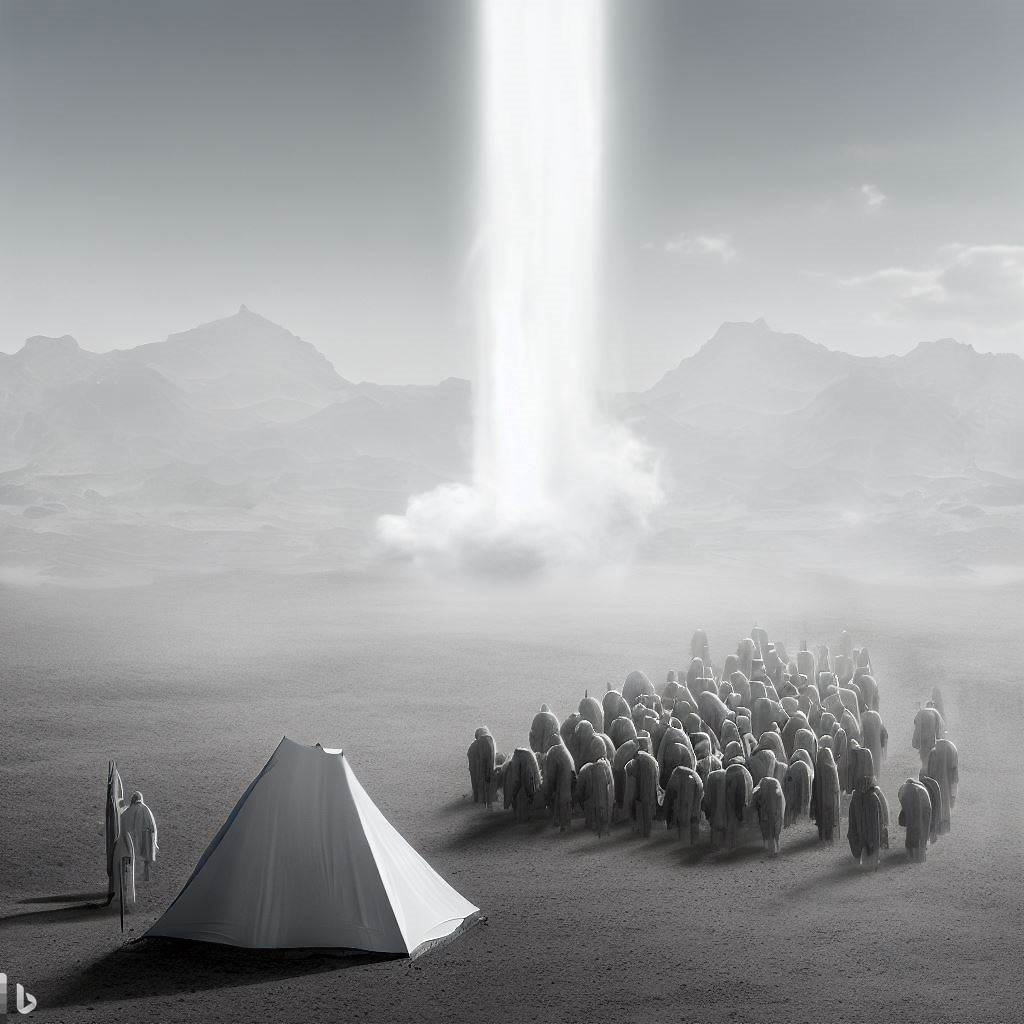
And Moses said unto the LORD: ‘Wherefore hast Thou dealt ill with Thy servant? and wherefore have I not found favour in Thy sight, that Thou layest the burden of all this people upon me? Have I conceived all this people? have I brought them forth, that Thou shouldest say unto me: Carry them in thy bosom? … I am not able to bear all this people myself alone, because it is too heavy for me. And if Thou deal thus with me, kill me, I pray Thee, out of hand, if I have found favour in Thy sight; and let me not look upon my wretchedness.’ (Numbers 11:11–15)
וַיֹּאמֶר מֹשֶׁה אֶל ה': לָמָה הֲרֵעֹתָ לְעַבְדֶּךָ וְלָמָּה לֹא מָצָתִי חֵן בְּעֵינֶיךָ לָשׂוּם אֶת מַשָּׂא כָּל הָעָם הַזֶּה עָלָי? הֶאָנֹכִי הָרִיתִי אֵת כָּל הָעָם הַזֶּה אִם אָנֹכִי יְלִדְתִּיהוּ, כִּי תֹאמַר אֵלַי שָׂאֵהוּ בְחֵיקֶךָ? ... לֹא אוּכַל אָנֹכִי לְבַדִּי לָשֵׂאת אֶת כָּל הָעָם הַזֶּה – כִּי כָבֵד מִמֶּנִּי. וְאִם כָּכָה אַתְּ עֹשֶׂה לִּי – הָרְגֵנִי נָא הָרֹג, אִם מָצָאתִי חֵן בְּעֵינֶיךָ, וְאַל אֶרְאֶה בְּרָעָתִי.And the LORD said unto Moses: ‘Gather unto Me seventy men of the elders of Israel … and bring them unto the tent of meeting … And I will come down and speak with thee there; and I will take of the spirit which is upon thee, and will put it upon them; and they shall bear the burden of the people with thee, that thou bear it not thyself alone. (Numbers 11:11–17)
וַיֹּאמֶר ה' אֶל מֹשֶׁה: אֶסְפָה לִּי שִׁבְעִים אִישׁ מִזִּקְנֵי יִשְׂרָאֵל ... וְלָקַחְתָּ אֹתָם אֶל אֹהֶל מוֹעֵד ... וְיָרַדְתִּי וְדִבַּרְתִּי עִמְּךָ שָׁם וְאָצַלְתִּי מִן הָרוּחַ אֲשֶׁר עָלֶיךָ וְשַׂמְתִּי עֲלֵיהֶם וְנָשְׂאוּ אִתְּךָ בְּמַשָּׂא הָעָם וְלֹא תִשָּׂא אַתָּה לְבַדֶּךָ. (במדבר י"א, יא-יז)
Following Israel’s complaints and demand for meat, Moses expressed his frustration to the LORD, complaining that he could not bear the burden of leading the people alone. The LORD responded by proposing that he choose seventy of Israel’s elders and share his spirit with them, so they could bear the burden of leadership alongside him.
It is unclear how these elders helped him bear that burden. They are not subsequently mentioned as performing any role in dealing with the people’s complaints or other problems, of which the wilderness had no shortage. Their contribution appears to have been a single event, just as the spirit shared with them did not remain long: they stopped prophesying when the occasion ended (Numbers 11:25).
Examining Moses’ complaint, his description of himself as bearing the people’s burden alone seems inaccurate. First, his brother Aaron, the high priest, was a central partner in leadership. On the advice of his father-in-law Jethro, a hierarchical judicial system had also been established, with rulers of thousands, hundreds, fifties, and tens. Add the twelve tribal princes, each responsible for his tribe and also active nationally, as seen, for example, in the story of Zelophehad’s daughters (Numbers 27:2) and elsewhere.
Perhaps the difficulty in understanding the elders’ contribution arises from the mistaken assumption that their role was organizational or judicial, like other leadership frameworks already operating in the camp.
This time the event was of a different kind. Complaints beginning among the rabble and at the camp’s edges quickly spread through every part of the people. Faced with an entire people weeping “throughout their families” (Numbers 11:10), Moses needed a reminder that the people’s spirit was still with him, rather than administrative or organizational support.
The seventy elders chosen were not tribal representatives, but represented the whole people descended from the seventy persons who went down to Egypt. Seventy’s indivisibility by twelve emphasizes that this support came through a sense of unity and a common root for the entire people, rather than tribal representation. Moses thus received the support he needed at that crisis.
The LORD did not give the elders a new spirit, but took some of Moses’ spirit and shared it with them, a kind of “zero-sum game.” Joshua likewise understood Eldad and Medad’s prophecy as coming at Moses’ expense (Numbers 11:26–29). The message to Moses was clear: his own spirit was sufficient to bear the people’s burden. If others shared it with him, they would do so through his strength, rather than an external addition.
