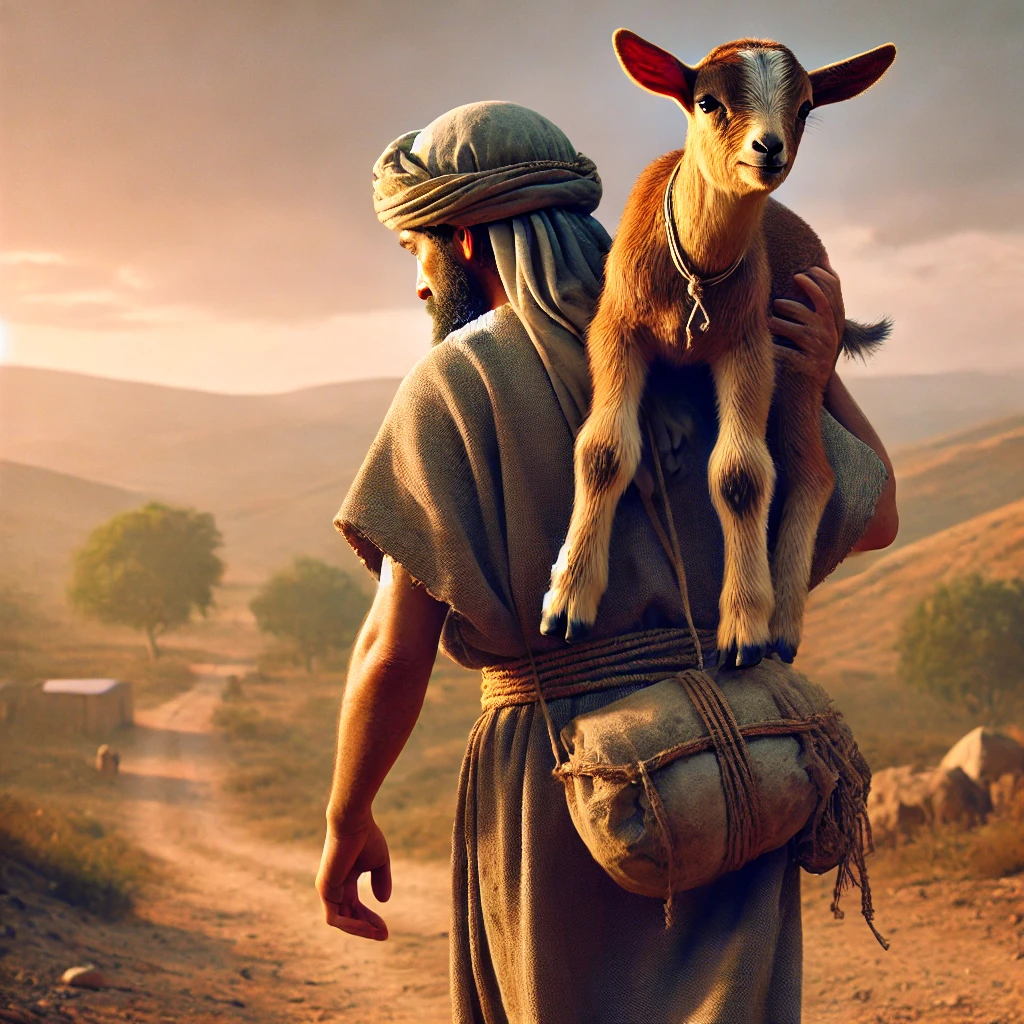
And it came to pass at that time, that Judah went down from his brethren … And Judah saw there a daughter of a certain Canaanite … and he took her … And Judah took a wife for Er his first-born, and her name was Tamar. And Er, Judah’s first-born, was wicked in the sight of the LORD; and the LORD slew him. And Judah said unto Onan: ‘Go in unto thy brother’s wife, and perform the duty of a husband’s brother unto her, and raise up seed to thy brother.’ … And the thing which he did was evil in the sight of the LORD; and He slew him also. Then said Judah to Tamar his daughter-in-law: ‘Remain a widow in thy father’s house, till Shelah my son be grown up’ … And in process of time Shua’s daughter, the wife of Judah, died; and Judah was comforted, and went up unto his sheep-shearers … And it was told Tamar, saying: ‘Behold, thy father-in-law goeth up to Timnah to shear his sheep.’ And she put off from her the garments of her widowhood, and covered herself with her veil, and wrapped herself, and sat in the entrance of Enaim, which is by the way to Timnah; for she saw that Shelah was grown up, and she was not given unto him to wife. When Judah saw her, he thought her to be a harlot; for she had covered her face. And he turned unto her by the way, and said: ‘Come, I pray thee, let me come in unto thee’; for he knew not that she was his daughter-in-law. And she said: ‘What wilt thou give me, that thou mayest come in unto me?’ And he said: ‘I will send thee a kid of the goats from the flock.’ And she said: ‘Wilt thou give me a pledge, till thou send it?’ … And he gave them to her, and came in unto her, and she conceived by him. … And Judah sent the kid of the goats by the hand of his friend the Adullamite, to receive the pledge from the woman’s hand; but he found her not. Then he asked the men of her place, saying: ‘Where is the harlot, that was at Enaim by the wayside?’ And they said: ‘There hath been no harlot here.’ And he returned to Judah, and said: ‘I have not found her; and also the men of the place said: There hath been no harlot here.’ (Genesis 38:1–2, 6–8, 10–17, 18, 20–22)
וַיְהִי בָּעֵת הַהִוא וַיֵּרֶד יְהוּדָה מֵאֵת אֶחָיו ... וַיַּרְא שָׁם יְהוּדָה בַּת אִישׁ כְּנַעֲנִי ... וַיִּקָּחֶהָ ... וַיִּקַּח יְהוּדָה אִשָּׁה לְעֵר בְּכוֹרוֹ וּשְׁמָהּ תָּמָר. וַיְהִי עֵר בְּכוֹר יְהוּדָה רַע בְּעֵינֵי ה' וַיְמִתֵהוּ ה'. וַיֹּאמֶר יְהוּדָה לְאוֹנָן בֹּא אֶל אֵשֶׁת אָחִיךָ וְיַבֵּם אֹתָהּ וְהָקֵם זֶרַע לְאָחִיךָ ... וַיֵּרַע בְּעֵינֵי ה' אֲשֶׁר עָשָׂה וַיָּמֶת גַּם אֹתוֹ. וַיֹּאמֶר יְהוּדָה לְתָמָר כַּלָּתוֹ שְׁבִי אַלְמָנָה בֵית אָבִיךְ עַד יִגְדַּל שֵׁלָה בְנִי ... וַיִּרְבּוּ הַיָּמִים וַתָּמָת בַּת שׁוּעַ אֵשֶׁת יְהוּדָה. וַיִּנָּחֶם יְהוּדָה וַיַּעַל עַל גֹּזֲזֵי צֹאנוֹ ... וַיֻּגַּד לְתָמָר לֵאמֹר: הִנֵּה חָמִיךְ עֹלֶה תִמְנָתָה לָגֹז צֹאנוֹ. וַתָּסַר בִּגְדֵי אַלְמְנוּתָהּ מֵעָלֶיהָ וַתְּכַס בַּצָּעִיף וַתִּתְעַלָּף. וַתֵּשֶׁב בְּפֶתַח עֵינַיִם אֲשֶׁר עַל דֶּרֶךְ תִּמְנָתָה, כִּי רָאֲתָה כִּי גָדַל שֵׁלָה וְהִוא לֹא נִתְּנָה לוֹ לְאִשָּׁה. וַיִּרְאֶהָ יְהוּדָה וַיַּחְשְׁבֶהָ לְזוֹנָה – כִּי כִסְּתָה פָּנֶיהָ. וַיֵּט אֵלֶיהָ אֶל הַדֶּרֶךְ וַיֹּאמֶר: הָבָה נָּא אָבוֹא אֵלַיִךְ כִּי לֹא יָדַע כִּי כַלָּתוֹ הִוא. וַתֹּאמֶר: מַה תִּתֶּן לִּי כִּי תָבוֹא אֵלָי? וַיֹּאמֶר: אָנֹכִי אֲשַׁלַּח גְּדִי עִזִּים מִן הַצֹּאן. וַתֹּאמֶר אִם תִּתֵּן עֵרָבוֹן עַד שָׁלְחֶךָ ... וַיִּתֶּן לָּהּ וַיָּבֹא אֵלֶיהָ וַתַּהַר לוֹ ... וַיִּשְׁלַח יְהוּדָה אֶת גְּדִי הָעִזִּים בְּיַד רֵעֵהוּ הָעֲדֻלָּמִי, לָקַחַת הָעֵרָבוֹן מִיַּד הָאִשָּׁה, וְלֹא מְצָאָהּ. וַיִּשְׁאַל אֶת אַנְשֵׁי מְקֹמָהּ לֵאמֹר: אַיֵּה הַקְּדֵשָׁה הִוא בָעֵינַיִם עַל הַדָּרֶךְ? וַיֹּאמְרוּ: לֹא הָיְתָה בָזֶה קְדֵשָׁה. וַיָּשָׁב אֶל יְהוּדָה וַיֹּאמֶר: לֹא מְצָאתִיהָ וְגַם אַנְשֵׁי הַמָּקוֹם אָמְרוּ לֹא הָיְתָה בָזֶה קְדֵשָׁה. (בראשית ל"ח, א-כב)
Tamar removed her widow’s clothes, veiled herself, and sat on the road to Timnah, assuming Judah would regard her as a prostitute and seek intercourse. This was not self-evident. His wife Shua’s daughter had died, and a man like Judah has needs, but why assume he would visit a prostitute? What underlay her plan?
News that her father-in-law was going to Timnah to shear sheep identified a known time and place away from home, also explaining his proposed payment of a kid. It may carry further significance for the opportunity she saw.
Judah thinks her a zonah, prostitute; later he and his Adullamite friend search for a kedeshah (verses 21–22). Akkadian qadištu describes a woman consecrated to a god or temple. Biblical kedeshah and zonah interchange, suggesting cultic prostitutes. JPS renders both “harlot,” losing this distinction. How does it serve the story?
Disguise as a kedeshah can explain Judah’s failure to recognize her “for she had covered her face.” Evidence indicates ordinary prostitutes’ low status meant uncovered heads and faces. Middle Assyrian laws (1450–1250 BCE), for example, forbade prostitutes to veil; veils belonged to respectable or specially ranked women such as kedeshot (compare Rebekah’s veil, Genesis 24:65). Veiling marked high status, while prostitutes’ lack of it marked their social role. Tamar used the kedeshah institution to obtain Judah’s offspring without revealing herself.
Perhaps she based her plan not just on his needs after bereavement, but on a then-legitimate practice of visiting kedeshot as part of worship associated with sheep-shearing. There is no direct biblical evidence, but the “first of the fleece” command, requiring flock owners to give the priest the first sheared wool (Deuteronomy 18:4), attests a cultic link with shearing. Tamar supposedly expected him to exploit an opportunity regarded as legitimate, as indicated by his sending the kid through his friend, and thereby fulfill her aim.
This explains their dialogue. He asks to come to her; she asks, “What wilt thou give me?” With an ordinary prostitute he would presumably ask the price and pay immediately, rather than await her demand and offer later payment. Apparently Judah expected no demand and arrived without payment means. Cultic prostitution explains this: he approached a respectable kedeshah, rather than a street prostitute, so offered no payment. When requested, he offered a kid from the flock, fitting the encounter’s context.
Tamar thus acted shrewdly, understanding her time’s norms and customs. Disguising herself as a cultic kedeshah, rather than merely a “secular” prostitute, she accomplished her plan to obtain offspring from Judah.
