The Torah seldom addresses monarchy, suggesting reserve toward it. Its principal discussion is the king passage (Deuteronomy 17:14–20). In “Like All the Nations?” I discussed its unfavorable view of the request and attempt to reduce royal power. Ki Tavo continues this attitude in two places, first implicitly and then more clearly.
The first is the opening of the first-fruits passage:
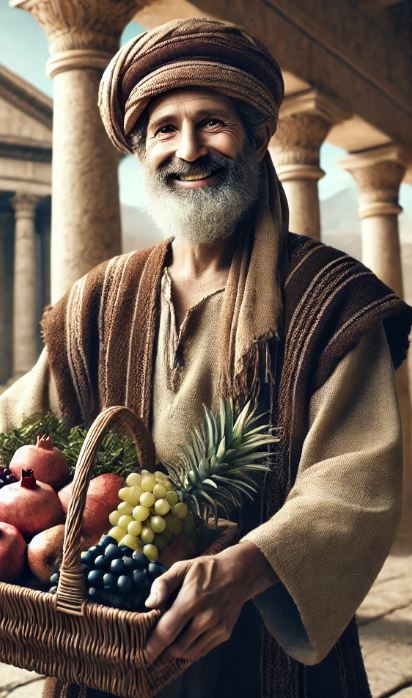
And it shall be, when thou art come in unto the land which the LORD thy God giveth thee for an inheritance, and dost possess it, and dwell therein; that thou shalt take of the first of all the fruit of the ground, which thou shalt bring in from thy land that the LORD thy God giveth thee; and thou shalt put it in a basket and shalt go unto the place which the LORD thy God shall choose to cause His name to dwell there. And thou shalt come unto the priest that shall be in those days, and say unto him. (Deuteronomy 26:1–3)
וְהָיָה כִּי תָבוֹא אֶל הָאָרֶץ – אֲשֶׁר ה' אֱלֹהֶיךָ נֹתֵן לְךָ נַחֲלָה – וִירִשְׁתָּהּ וְיָשַׁבְתָּ בָּהּ. וְלָקַחְתָּ מֵרֵאשִׁית כָּל פְּרִי הָאֲדָמָה – אֲשֶׁר תָּבִיא מֵאַרְצְךָ, אֲשֶׁר ה' אֱלֹהֶיךָ נֹתֵן לָךְ – וְשַׂמְתָּ בַטֶּנֶא. וְהָלַכְתָּ אֶל הַמָּקוֹם אֲשֶׁר יִבְחַר ה' אֱלֹהֶיךָ לְשַׁכֵּן שְׁמוֹ שָׁם. וּבָאתָ אֶל הַכֹּהֵן – אֲשֶׁר יִהְיֶה בַּיָּמִים הָהֵם – וְאָמַרְתָּ אֵלָיו. (דברים כ"ו, א-ג)
At first sight, these verses have nothing to do with monarchy. Looking deeper, their beginning almost perfectly matches the king passage:
When thou art come unto the land which the LORD thy God giveth thee, and shalt possess it, and shalt dwell therein; and shalt say: ‘I will set a king over me, like all the nations that are round about me’; (Deuteronomy 17:14)
כִּי תָבֹא אֶל הָאָרֶץ – אֲשֶׁר ה' אֱלֹהֶיךָ נֹתֵן לָךְ – וִירִשְׁתָּהּ וְיָשַׁבְתָּה בָּהּ. וְאָמַרְתָּ: אָשִׂימָה עָלַי מֶלֶךְ, כְּכָל הַגּוֹיִם אֲשֶׁר סְבִיבֹתָי. (דברים י"ז, יד)
Both describe entering, possessing, and dwelling in the land. A significant divergence follows. First fruits describes the proper response: a farmer presents the harvest’s first produce, recognizes God’s goodness, and expresses thanks by bringing first fruits to the sanctuary.
The less appropriate response is requesting a king “like all the nations.” A human king competes with the LORD’s kingship. Israelites are His servants (Leviticus 25:42), and should not become a mortal king’s servants even if he is Israelite. As the LORD told Samuel after his disappointment with the people, their request rejects Him:
And the LORD said unto Samuel: ‘Hearken unto the voice of the people in all that they say unto thee; for they have not rejected thee, but they have rejected Me, that I should not be king over them. (I Samuel 8:7)
וַיֹּאמֶר ה' אֶל שְׁמוּאֵל: שְׁמַע בְּקוֹל הָעָם לְכֹל אֲשֶׁר יֹאמְרוּ אֵלֶיךָ. כִּי לֹא אֹתְךָ מָאָסוּ – כִּי אֹתִי מָאֲסוּ מִמְּלֹךְ עֲלֵיהֶם. (שמו"א ח', ז)
Repeating “when thou art come unto the land … and shalt possess it, and shalt dwell therein” creates a sharp contrast: the thankful farmer versus a people requesting a king and thereby rejecting the LORD’s kingship.
The second, clearer negative reference occurs in the curses:
The LORD will bring thee, and thy king whom thou shalt set over thee, unto a nation that thou hast not known, thou nor thy fathers; and there shalt thou serve other gods, wood and stone. (Deuteronomy 28:36)
יוֹלֵךְ ה' אֹתְךָ – וְאֶת מַלְכְּךָ אֲשֶׁר תָּקִים עָלֶיךָ – אֶל גּוֹי אֲשֶׁר לֹא יָדַעְתָּ אַתָּה וַאֲבֹתֶיךָ. וְעָבַדְתָּ שָּׁם אֱלֹהִים אֲחֵרִים, עֵץ וָאָבֶן. (דברים כ"ח, לו)
Despite many parallels between blessings and curses, such as “Blessed shalt thou be when thou comest in” (Deuteronomy 28:6) and “Cursed shalt thou be when thou comest in” (28:19), the king appears only in curses. The Torah thus places him within negative reality rather than blessings.
“Thy king whom thou shalt set over thee” (28:36) makes him the people’s choice, belonging to them rather than the LORD. Compare the LORD’s words after the calf: “Go, get thee down; for thy people, that thou broughtest up out of the land of Egypt, have dealt corruptly” (Exodus 32:7). The implicit criticism is that, like relying on high fortified walls rather than trusting the LORD (Deuteronomy 28:52), they rely on their king instead of Him.
Together these examples sharpen the reserve already evident in the king passage. Monarchy is a permitted social arrangement, but not ideal. The Torah allows it as social organization while encouraging aspiration toward a loose governmental system that does not compete with heaven’s kingship.
